Keep our news free from ads and paywalls by making a donation to support our work!

Notes from Poland is run by a small editorial team and is published by an independent, non-profit foundation that is funded through donations from our readers. We cannot do what we do without your support.
Poland generated just over 29% of its electricity from renewables in 2025, almost exactly the same proportion as in 2024.
The figures show a period of stagnation following several years of strong growth in renewables. And they come despite the current government pledging to accelerate Poland’s green transition after taking power from its conservative predecessor two years ago.
However, the new data, which come from the Fraunhofer Society, a German research organisation, do show that the share of coal in Poland’s power mix fell from 56.6% in 2024 to 52.2% in 2025.
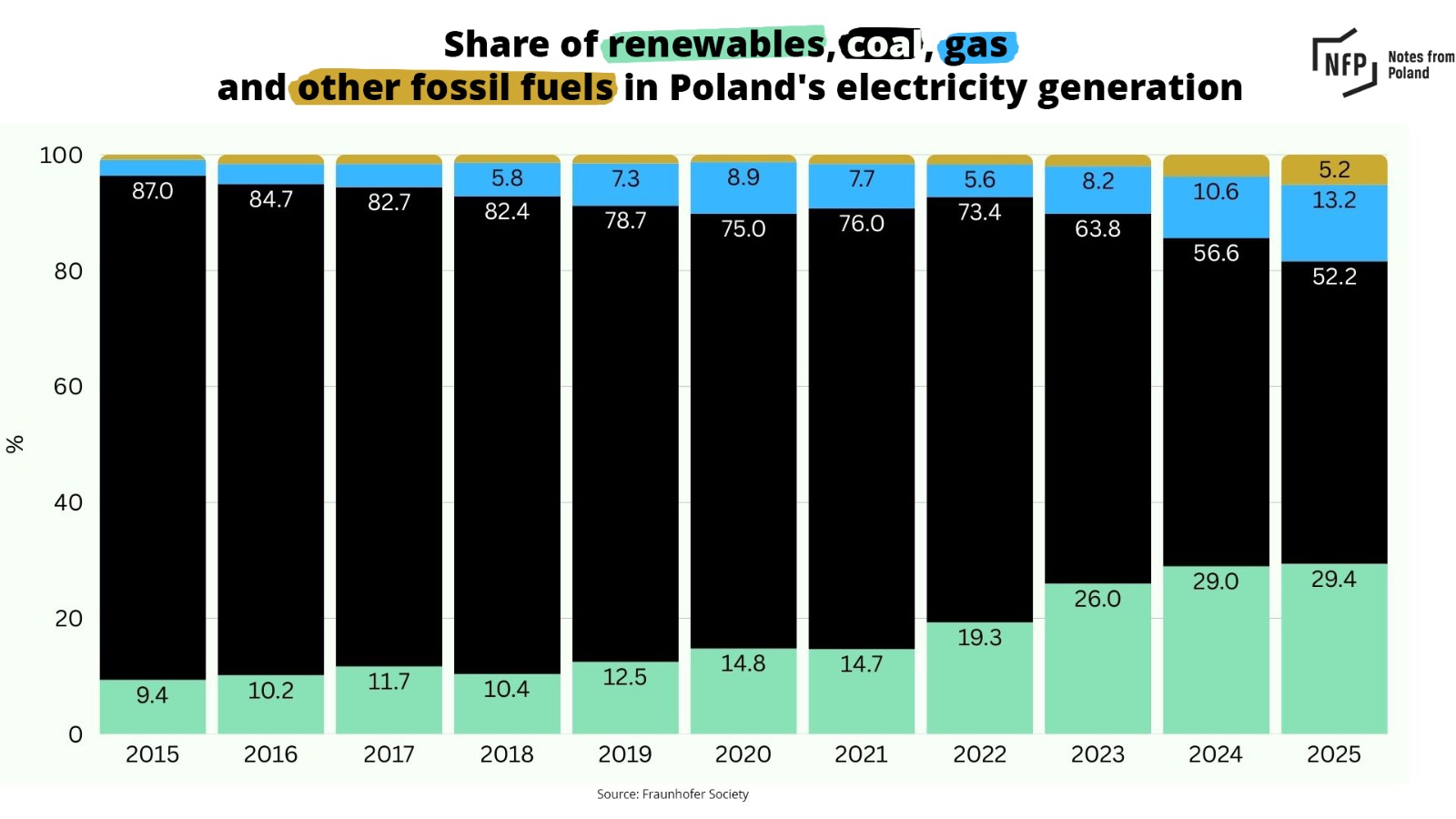
The Fraunhofer Society’s figures show that 29.4% of Poland’s electricity came from renewable sources last year, which was only marginally higher than the 29.0% recorded in 2024 (an updated figure from the 28.8% originally reported). Onshore wind (14.2%) led the way, followed by solar (12.1%) and biomass (1.8%)
Meanwhile, hard coal accounted for 32.9% of the energy mix and brown coal for 19.3%, making up 52.2% in total, which is by far the highest figure in the European Union.
The fall in coal’s share was covered in large part by a rise in gas-fired generation, which increased to 13.2% of the mix from 10.6% in 2024. Poland’s gas market has been booming last year, with a record annual volume of gas already traded on the Polish Power Exchange by November.
Poland remains the EU’s most coal-dependent country and the only member state without a coal phase-out date. However, it has stepped up efforts to curb fossil fuel use following Russia’s full-scale invasion of Ukraine and the subsequent energy crisis.
The share of renewables in Poland’s energy mix has nearly doubled since 2021, when the figure stood at 14.7%. However, most of the increase came between 2021 and 2023, when the national-conservative Law and Justice (PiS) party was in power.
In 2023, the PiS government outlined plans for 51% of electricity to come from renewables and 23% from nuclear by 2040.
A more liberal coalition led by Prime Minister Donald Tusk took office at the end of that year, pledging in its coalition agreement to “accelerate the energy transition” and “increase the share of renewable energy sources in electricity production”. But it has so far made limited progress.
When Donald Tusk’s government came to power, it promised to accelerate Poland's move away from reliance on coal.
But, after a year in office, the ruling coalition has failed to enact a single law that would significantly advance the energy transition https://t.co/TKFfoeAoKv
— Notes from Poland 🇵🇱 (@notesfrompoland) January 17, 2025
The ruling coalition did last year pass a bill intended to ease PiS-era restrictions on building new onshore wind turbines. But the legislation was vetoed by PiS-aligned President Karol Nawrocki.
The current government has, meanwhile, continued with plans put in place under PiS to establish Poland’s first offshore wind farms, the first of which is due to go into operation this year.
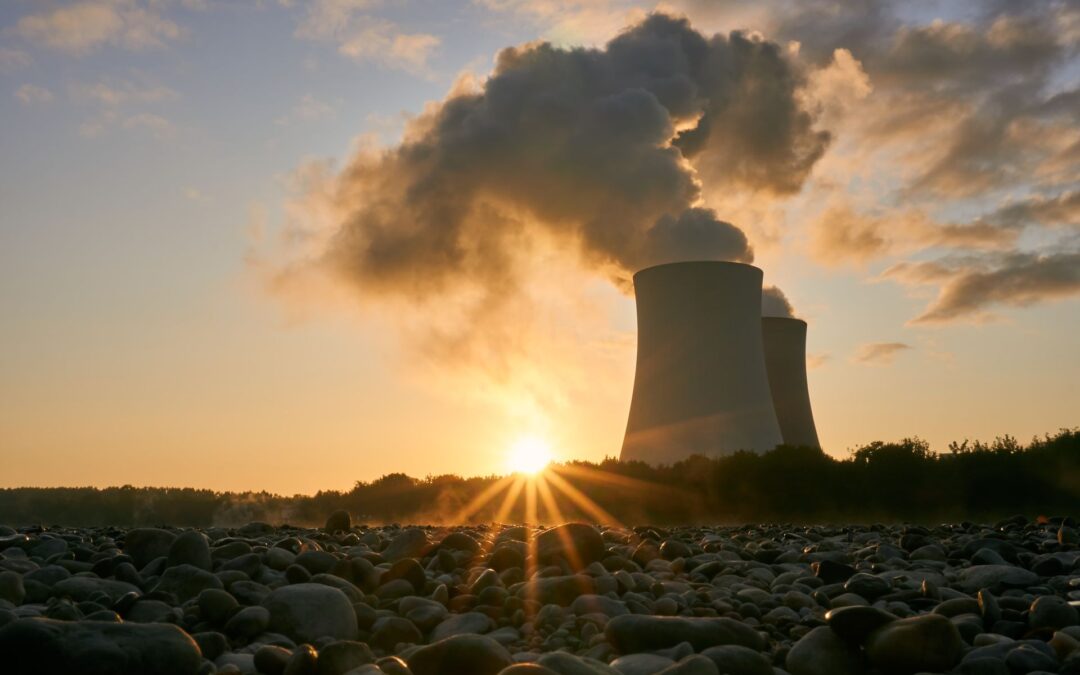
The Tusk administration has also pressed ahead with PiS’s plans to build Poland’s first nuclear power plants, with the first due to be completed by 2036.
Poland has successfully completed its first auction for offshore wind power.
It awarded contracts for three projects with a combined capacity of 3.4 GW, making it the largest such auction anywhere in Europe this year https://t.co/L3tYgbwS8D
— Notes from Poland 🇵🇱 (@notesfrompoland) December 19, 2025
But the government has failed to deliver a key plan to the EU outlining how it intends to reduce emissions. The document was due to be submitted to Brussels by the end of June 2024 and Poland is now the only member state that has not done so, prompting the European Commission to launch legal action in October.
The energy ministry presented an updated draft plan late last month, but it still requires government approval before being formally submitted to the EU.
The draft envisages renewables accounting for 65.6-68.9% of Poland’s energy mix by 2040, with nuclear providing a further 15.3-16.3% and coal between 0 and 4.8%.
The @EU_Commission has launched legal action against Poland over its failure to submit a plan for reducing emissions.
Poland is the only member state that has failed to produce the document, the final deadline for which passed well over a year ago https://t.co/7ia7Yq3nZB
— Notes from Poland 🇵🇱 (@notesfrompoland) October 8, 2025
Notes from Poland is run by a small editorial team and published by an independent, non-profit foundation that is funded through donations from our readers. We cannot do what we do without your support.
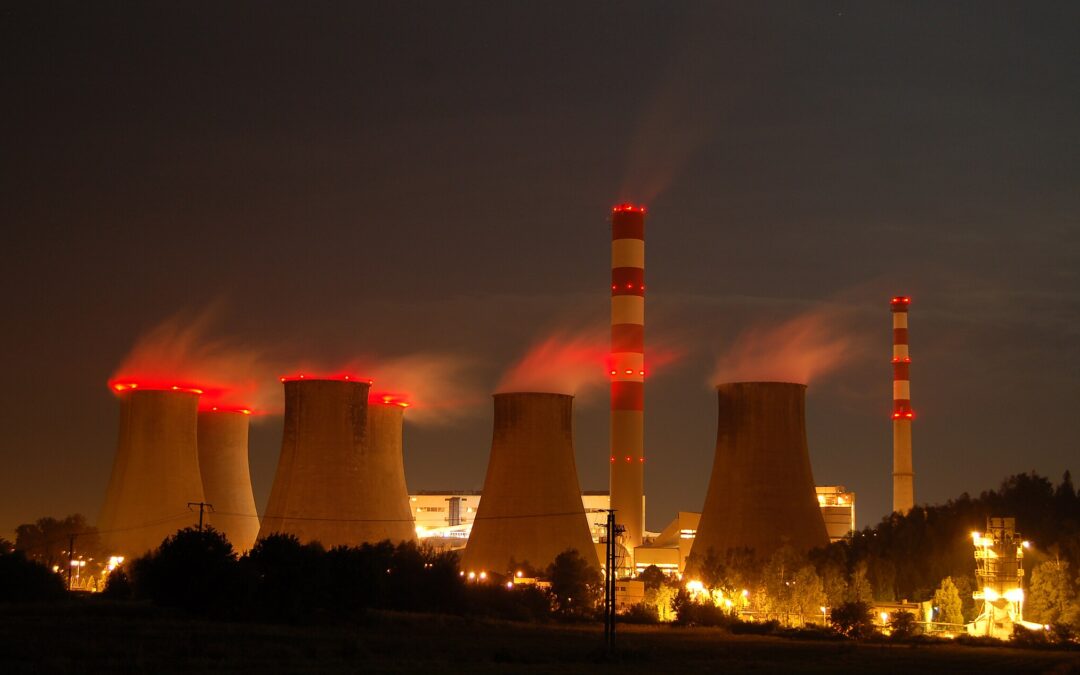
Main image credit: Halaston/Wikimedia Commons (under CC BY-SA 4.0)

Alicja Ptak is deputy editor-in-chief of Notes from Poland and a multimedia journalist. She has written for Clean Energy Wire and The Times, and she hosts her own podcast, The Warsaw Wire, on Poland’s economy and energy sector. She previously worked for Reuters.