Poland’s current rape law – which dates back to 1932 – deems it a crime only if there was force, unlawful threats or deception.
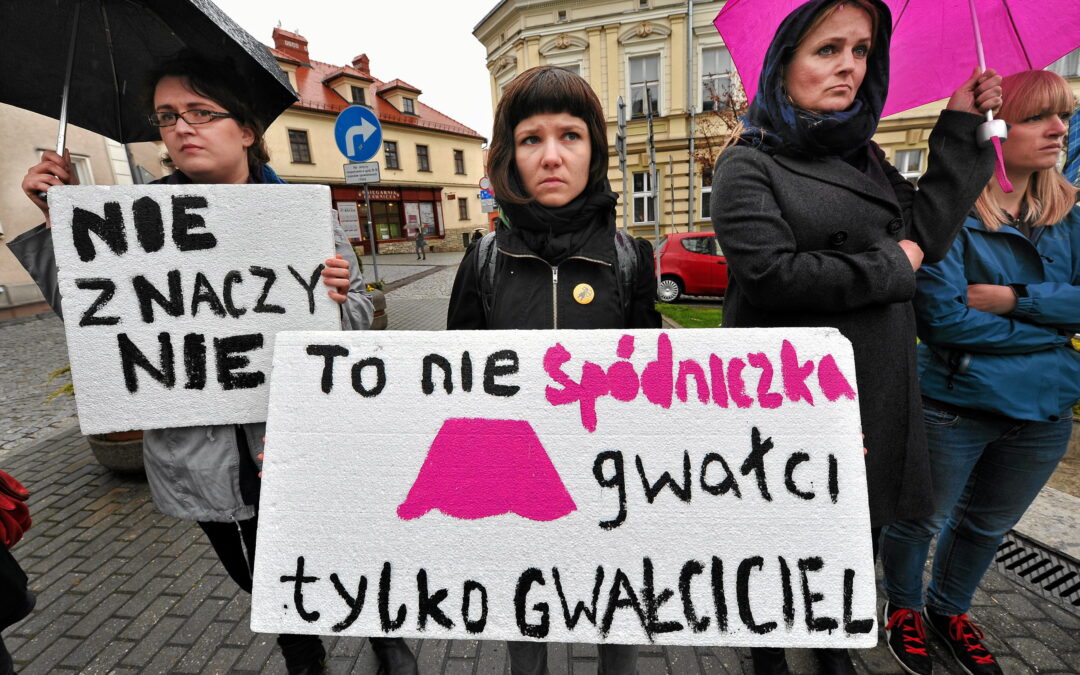

Poland’s current rape law – which dates back to 1932 – deems it a crime only if there was force, unlawful threats or deception.

The case has prompted shock and anger, including over the fact that people witnessed the attack but failed to intervene.
We are an independent, nonprofit media outlet, funded through the support of our readers.
If you appreciate the work we do, please consider helping us to continue and expand it.

The new legislation broadens the definition of domestic violence and expands measures to support victims and deal with perpetrators.

The health minister called the case a “colossal manipulation calculated to evoke emotions” but the victim’s aunt accuses him of “lying”.

A health ministry spokesman has confirmed that local hospitals failed to comply with the rules
Magdalena Grzyb
The burden is on rape victims to prove they demonstrated resistance to the act, and many perpetrators escape justice.

Tomasz Komenda served almost two decades for a rape and murder he did not commit.
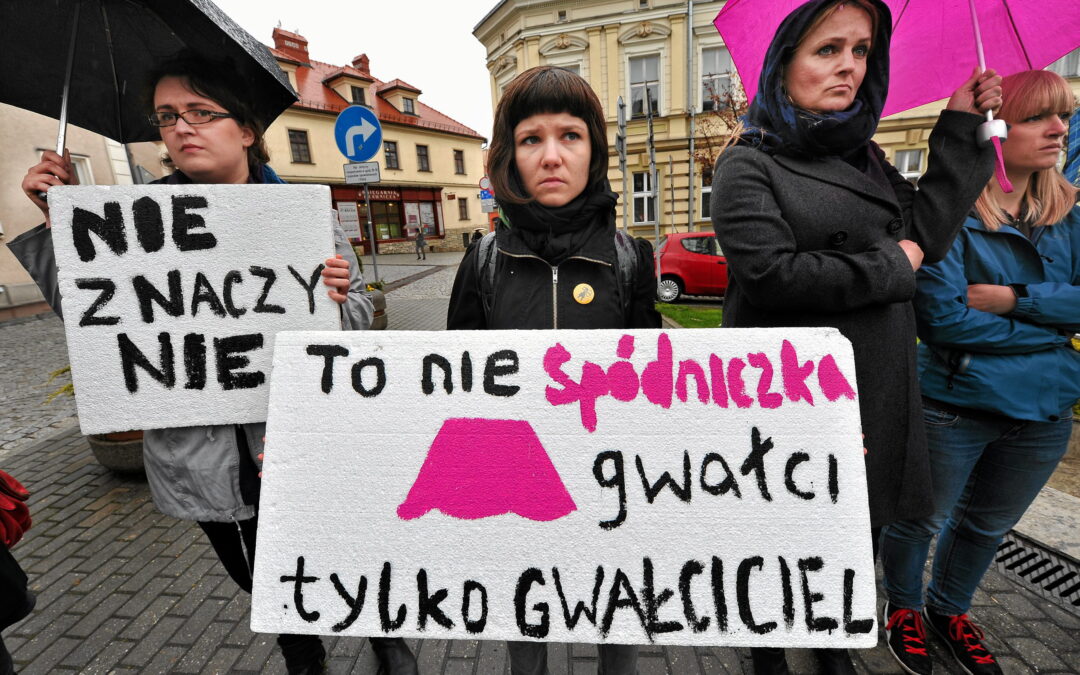
The current law defines an act as rape only if there is force, unlawful threats or deception

Critics say the ruling is illustrative of wider failings in how rape is defined and dealt with in Poland’s justice system.
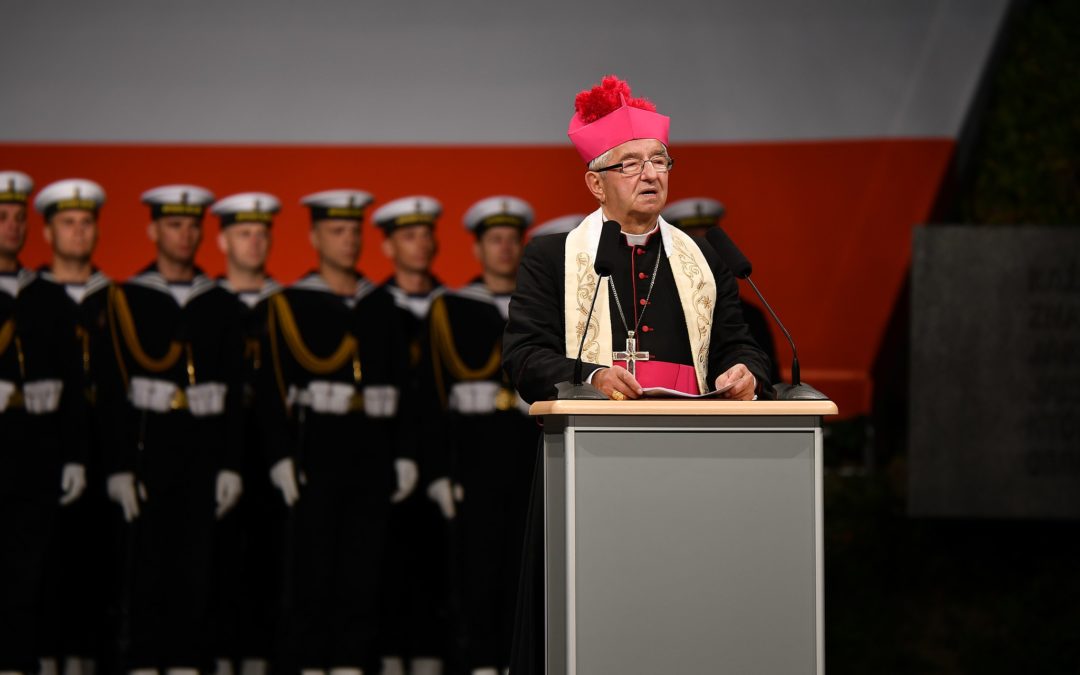
The accused priest was moved from parish to parish by the Archbishop of Gdańsk without explanation.

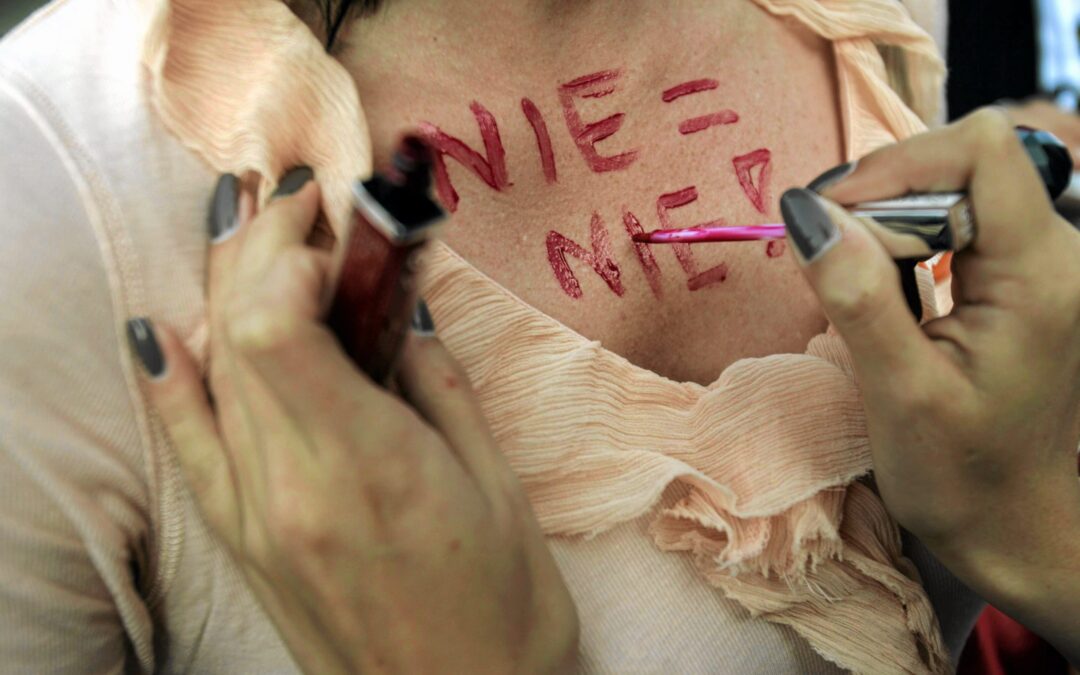
The event was a response to claims that the way women dress can provoke sexual violence.

The Polish-French director claims that he, his victim and her mother “have atoned for this matter”.

Notes from Poland is run by a small editorial team and published by an independent, non-profit foundation that is funded through donations from our readers. We cannot do what we do without your support.

managing editor
Agnieszka Wądołowska is managing editor of Notes from Poland. She has previously worked for Gazeta.pl and Tokfm.pl and contributed to Gazeta Wyborcza, Wysokie Obcasy, Duży Format, Midrasz and Kultura Liberalna”

contributing editorial assistant
Weronika Strzyżyńska is currently studying journalism at Goldsmiths as a Scott Trust Bursary recipient. She has written on issues immigration and Brexit for New Statesman and Prospect
ARTICLES BY THIS AUTHOR

contributing writer

advisory board member
Associate Professor at the Institute of Political Studies of the Polish Academy of Science, member of the Polish parliaments

advisory board member
Executive Director of Taube Family Foundation

advisory board member
Senior Research Fellow at the Global Europe Centre, University of Kent.

advisory board member
Professor at the Institute of History of the Jagiellonian University

advisory board member
Professor of European Studies at Oxford University

advisory board member

advisory board member

assistant editor

author

deputy editor


founder, editor-at-large
Stanley Bill is the founder and editor-at-large of Notes from Poland.
He is also Senior Lecturer in Polish Studies and Director of the Polish Studies Programme at the University of Cambridge, where he works on Polish culture, politics and history.
Stanley has spent more than ten years living in Poland, mostly based in Kraków and Bielsko-Biała. He founded Notes from Poland in 2014 as a blog dedicated to personal impressions, cultural analysis and political commentary. He is committed to the promotion of deeper knowledge and understanding of Poland.
He is the Chair of the Board of the Notes from Poland Foundation.
editor-in-chief
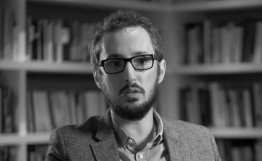
Daniel Tilles is editor-in-chief of Notes from Poland and assistant professor of history at the Pedagogical University of Krakow. He has written on Polish affairs for a wide range of publications, including Foreign Policy, POLITICO Europe, The Independent and Dziennik Gazeta Prawna.