Keep our news free from ads and paywalls by making a donation to support our work!

Notes from Poland is run by a small editorial team and is published by an independent, non-profit foundation that is funded through donations from our readers. We cannot do what we do without your support.
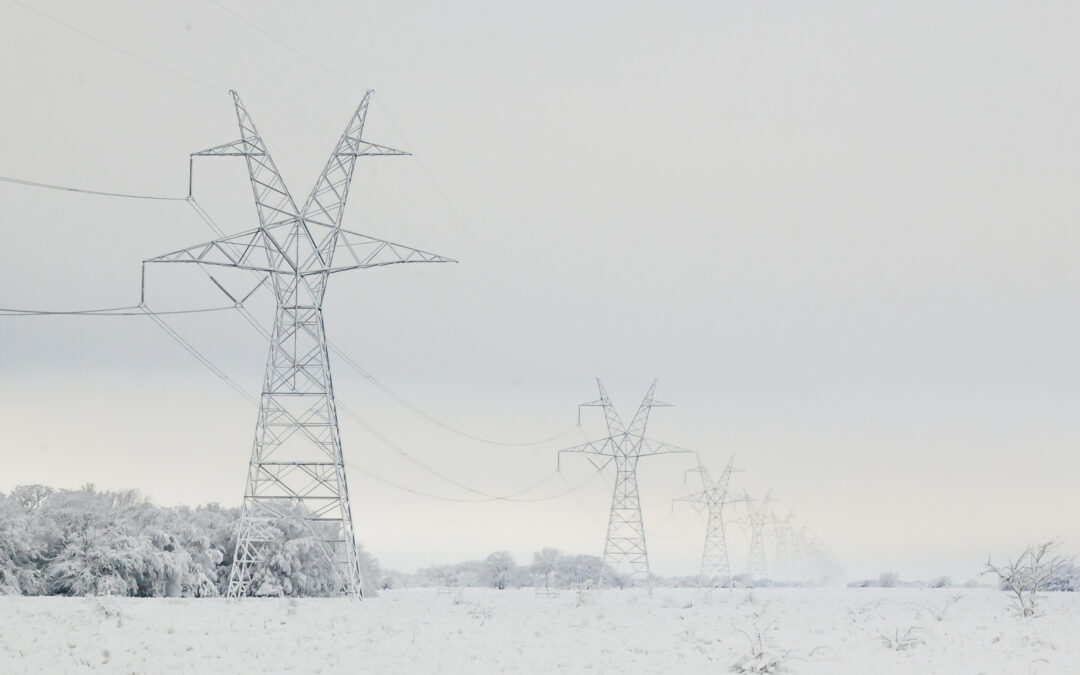
The Polish government has revealed that the country experienced a major attempt to disrupt its power grid at the end of December, and came “very close to a blackout”. However, it successfully repelled the cyberattack.
The digital affairs minister says that “everything points to Russian sabotage” being behind the incident.
💬 To był największy od lat atak na infrastrukturę energetyczną z jasnym celem doprowadzić do blackoutu – @KGawkowski, wicepremier i minister @CYFRA_GOV_PL, @__Lewica o grudniowym ataku na sektor energetyki w Popołudniowej #RozmowaRMF@RMF24pl @Radio_RMF24 pic.twitter.com/Rc18zfScbN
— RozmowaRMF (@Rozmowa_RMF) January 13, 2026
“In the final days of 2025, a large-scale attempt was made to hack the energy system,” said energy minister Miłosz Motyka at a press conference on Tuesday. It was “the most powerful attack on the Polish power system in years” but “was successfully repelled”.
“This is the first time we’ve encountered multiple attempts at attacks on individual generating sources – solar farms and even individual wind turbines,” explained Motyka. It “involved an attempt to disrupt communication between generating installations and grid operators across a large area of Poland”.
The role of renewables in Poland’s energy mix has risen significantly in recent years. They account for around 29% of all electricity generated in the country. That is often the case even in winter. On Monday this week, amid extremely cold, snowy weather, renewables provided 25% of Poland’s electricity.
Previous attacks on Poland’s power grid have targeted large energy facilities or the transmission system, noted Motyka. “We have not see this type of attack [on smaller-scale renewable facilities] before, but we can expect it to happen again.”
Later on Tuesday, digital affairs minister Krzysztof Gawkowski addressed the attack during an interview with broadcaster RMF. Asked if Poland had “come close to blackout” during the incident, he confirmed it had been “very close”.
“The scale of this attack, the vector of entry and who was behind it indicate that it was a coordinated operation intended to deliberately cut off power to Polish citizens,” continued Gawkowski. “Everything points to Russian sabotage…intended to destabilise the situation in Poland.”
However, the “Polish security services and the Polish institutions responsible for cybersecurity rose to the occasion”, added the minister. “We have well-prepared institutions and there is no need to panic; Poland is the most [cyber]attacked country in the European Union.”
Poland’s government says the security services have in recent days “broken up a group of saboteurs” working on behalf of Russia and Belarus who were targeting Polish institutions with the aim of "extorting information and waging de facto cyberwarfare” https://t.co/b9F7nemxg5
— Notes from Poland 🇵🇱 (@notesfrompoland) September 9, 2024
Poland has in recent years suffered a series of so-called hybrid actions orchestrated by Russia, including both cyberattacks and physical acts of sabotage, as well as disinformation and propaganda campaigns.
Last week, Motyka revealed that hacker attacks on Polish energy infrastructure had increased during recent cold weather conditions, which have seen temperatures plummet to below -15 degrees Celsius in many places and energy use surge to record levels.
Notes from Poland is run by a small editorial team and published by an independent, non-profit foundation that is funded through donations from our readers. We cannot do what we do without your support.
Main image credit: Matthew T Rader/Wikimedia Commons (under CC BY-SA 4.0)

Daniel Tilles is editor-in-chief of Notes from Poland. He has written on Polish affairs for a wide range of publications, including Foreign Policy, POLITICO Europe, EUobserver and Dziennik Gazeta Prawna.