Keep our news free from ads and paywalls by making a donation to support our work!

Notes from Poland is run by a small editorial team and is published by an independent, non-profit foundation that is funded through donations from our readers. We cannot do what we do without your support.
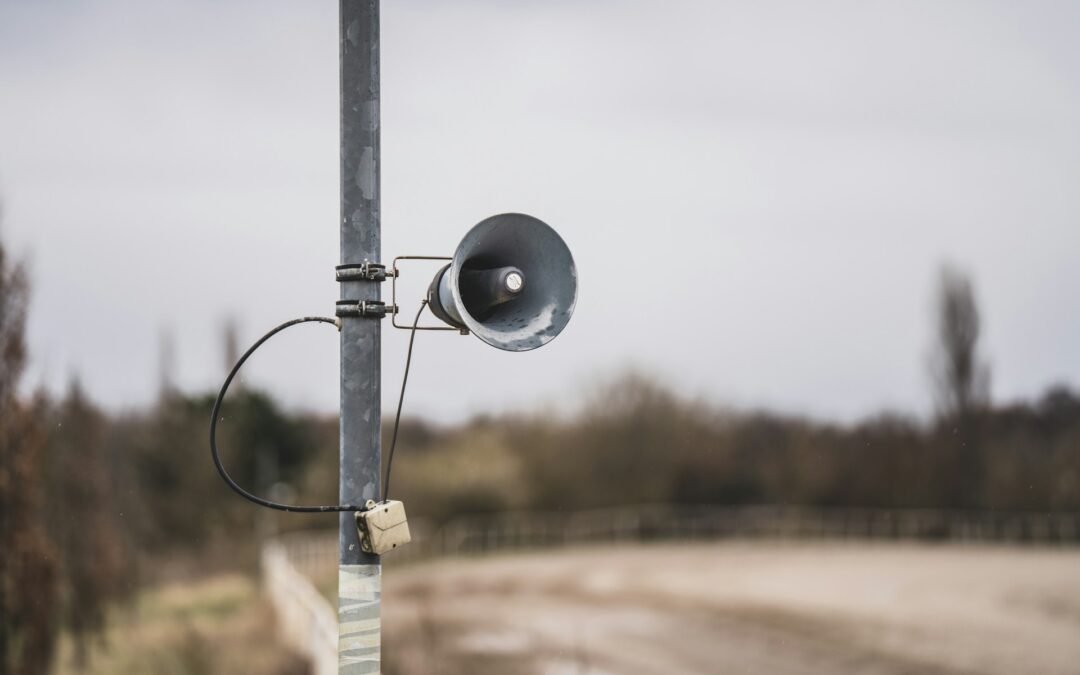
Poland plans to have more than 1,000 warning sirens in the eastern Lublin province by the end of the year in response to increased Russian attacks in Ukraine near the Polish border, interior minister Marcin Kierwiński has announced.
The Polish government is also working on an application that would use Cell Broadcast technology to turn mobile phones into warning devices, allowing them to function like sirens in a crisis, the minister added.
Minister @MKierwinski w Lublinie:💬Budujemy system ochrony ludności niemal od podstaw. W województwie lubelskim na początku 2024 roku było około 30 syren, które można było uruchomić zdalnie. Dziś jest ich prawie 350, a do końca tego roku będzie ich ponad tysiąc. To pokazuje, jak… pic.twitter.com/6uWAgcNrJh
— MSWiA 🇵🇱 (@MSWiA_GOV_PL) September 19, 2026
Speaking in Lublin on Saturday, Kierwiński said that the region now has almost 350 automatic sirens, compared to just 30 at the start of 2024. The number is expected to triple to over 1,000 by the end of this year.
“Jet-powered drones and missiles are increasingly flying near the Polish border” and Poland is therefore “turning to tools designed to counter the associated threats,” Kierwiński said, quoted by news website OKO Press, adding that the government had to build Poland’s civil protection system “almost from scratch”.
As part of these efforts, Poland’s fire service, working with the Lublin governor, is now rolling out a project to identify and mark the province’s nearly 3,500 shelters. Last year, Poland launched a mobile application and website that allows people to find their nearest shelter in the case of an emergency.
By the end of the year, Poland also wants to introduce an application that would allow it to “take over” residents’ phones “to function like a siren”, Kierwiński added, without providing any further details.
Residents in areas close to the Ukrainian border have heard warning sirens during Russian attacks on Ukraine in recent weeks and received alerts through the state warning system.
The opposition has criticised the alerts for not giving residents clear instructions on what to do when the sirens sound. In response, the ministry has stepped up its public information campaign, including a television and social media campaign on emergency preparedness.
Additionally, more than 500 fire stations in the eastern Lublin and Subcarpathian provinces held training over the weekend on how to respond to emergency alerts. The sessions were part of a wider campaign that has already involved 630,000 people across Poland.
Poland’s interior ministry has launched a TV campaign, including spots on public broadcaster TVP’s flagship morning show, aimed at educating the public about how to respond to emergency situations such as natural disasters and security threats https://t.co/MS0APufAmq
— Notes from Poland 🇵🇱 (@notesfrompoland) September 15, 2026
Poland has stepped up preparations along its eastern border following a series of Russian attacks in western Ukraine, including a drone strike on a passenger train travelling from Kyiv to Warsaw about 2 km from the Polish border.
The recent escalation follows a number of incidents in recent years involving violations of Polish airspace, including the entry of around 20 Russian drones on one night last year, as well as the explosion of a Russian missile in a field in eastern Poland earlier this year.
Polish foreign minister Radosław Sikorski described the attacks in the border area as “another escalation” by Russia, while Prime Minister Donald Tusk warned that Russia’s further plans could include attacks designed to test NATO’s response.
During his visit to Ukraine last week, Tusk announced that Poland had joined the Anti-Ballistic Missile Coalition, a group of European countries working together to develop an integrated air defence system for the continent.

Notes from Poland is run by a small editorial team and published by an independent, non-profit foundation that is funded through donations from our readers. We cannot do what we do without your support.
Main image credit: Mika Baumeister / Pexels

Alicja Ptak is deputy editor-in-chief of Notes from Poland and a multimedia journalist. She has written for Clean Energy Wire and The Times, and she hosts her own podcast, The Warsaw Wire, on Poland’s economy and energy sector. She previously worked for Reuters.