Keep our news free from ads and paywalls by making a donation to support our work!

Notes from Poland is run by a small editorial team and is published by an independent, non-profit foundation that is funded through donations from our readers. We cannot do what we do without your support.
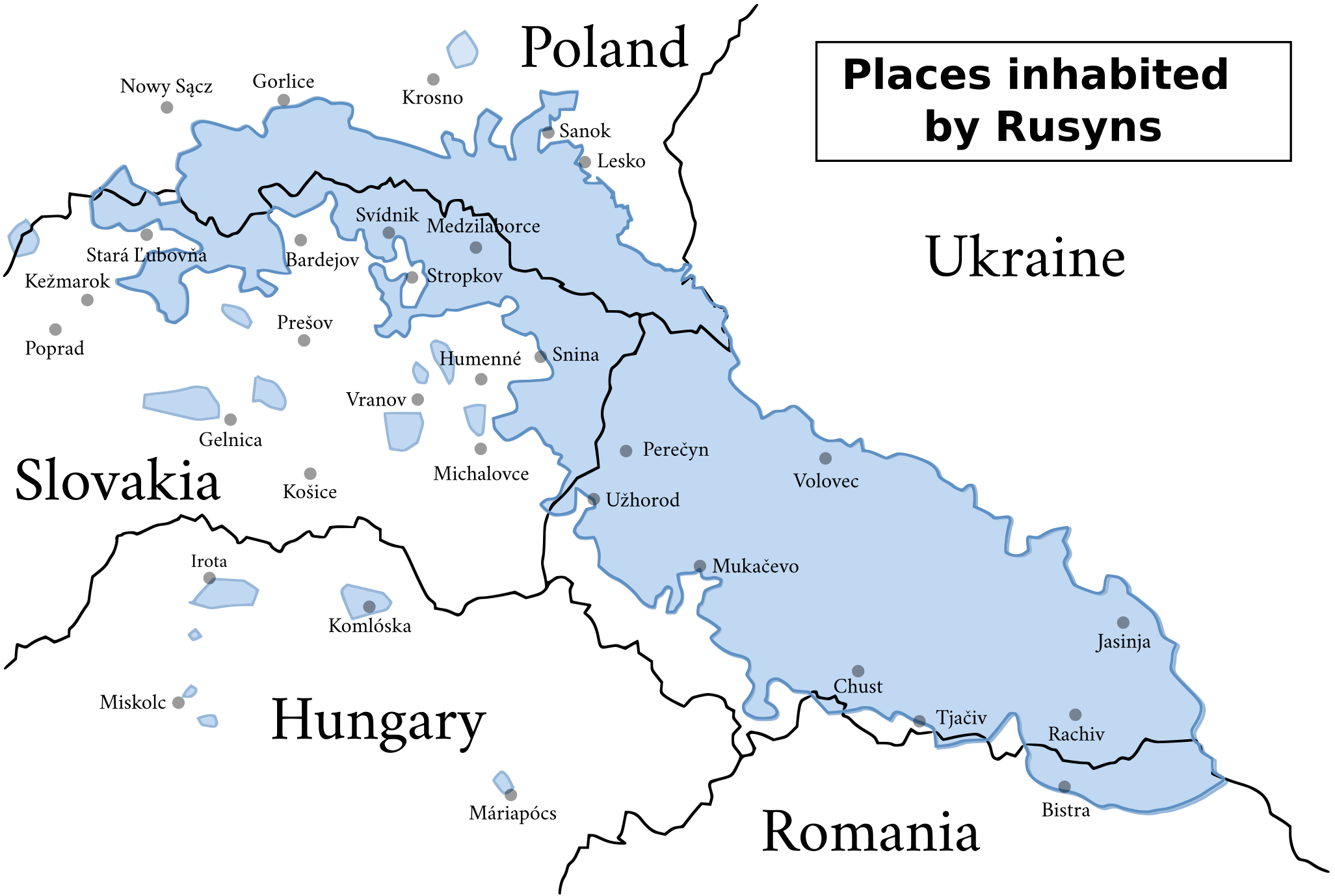
Five prints by Andy Warhol feature in a new exhibition in Poland dedicated to the art of the Rusyns, an ethnic group from a region that today lies around the borders between Poland, Slovakia, Ukraine, Hungary and Romania. Warhol’s parents were Rusyns who emigrated to the United States.
The exhibition, hosted by the State Museum of Ethnography in Warsaw, describes itself as the first-ever comprehensive presentation of the artistic achievements of the Rusyns, thereby “breaking through decades of silence and exposing the exclusions present in the history of institutional art”.
Warhol was born as Andrew Warhola Jr. to Rusyn parents, Ondrej and Julia, from what was then the village of Mikó in Austria-Hungary and is now Miková in Slovakia.
When asked about his origins, Warhol famously said, “I am from nowhere”. The creators of the exhibition say that, given the shifting borders of the region and the wide geographical spread of the Rusyn, his words “take on a new meaning: they speak of an identity that can endure across borders and changing places”.
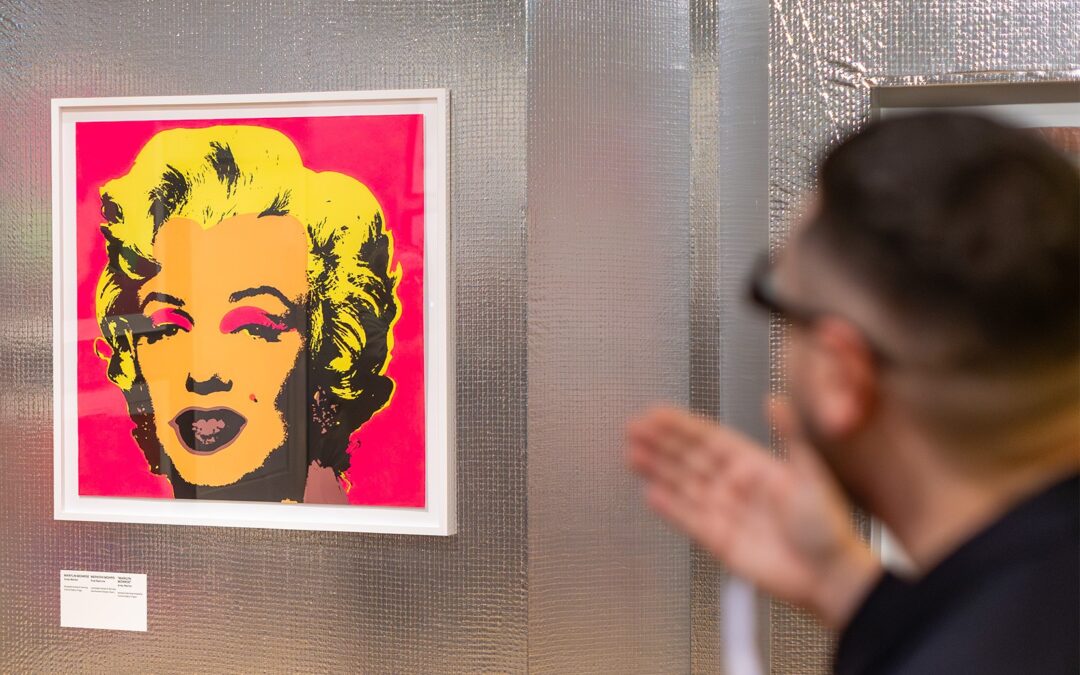
Works by Warhol, a leading figure in the 20th-century pop art movement, featured in the exhibition include a set of silkscreen prints of Marilyn Monroe, images from his Space Fruit series, the Native American-inspired Mother and Child, and a poster for the film Blood for Dracula.
The large-format prints are exhibited alongside mementoes and photographs of the Warhol family, with a particular emphasis on the artist’s relationship with his mother.
“We didn’t want to show him in the context of capitalism, pop-art and America, but ethnic identity and origin,” the exhibition’s curator, Michał Szymko, a member of Poland’s Lemko minority, who are considered a subgroup of the Rusyns, told the Polish Press Agency (PAP).
“For reasons of poverty, Julia collected tins from drinks and soup to make them into small sculptures and, with her sons, sell them in Pittsburgh’s richer neighbourhoods,” said Szymko. “That was probably what later inspired Warhol to create his famous works depicting Campbell’s soup cans.”
“Julia, as a religious woman, took the young Andy to the Orthodox church and told him about the lives of saints. He soaked up her stories and later switched the stories of saints to American stars. In this context, the exhibition juxtaposes Warhol’s image of modernity, Marilyn Monroe, with a 14th-century icon, a symbol of the past.”
Source: Weltengeist/Wikimedia Commons (under CC BY-SA 4.0)
In 1947, Poland’s new communist authorities forcibly resettled many Rusyns, as well as ethnic Ukrainians, from their traditional homelands to western Poland as part of an action known as Operation Vistula.
“Our art was deprived of a guarantee of security as a result of those events, which disrupted transmission of identity. And yet this community still exists, creates art and has its own voice, as this exhibition shows,” the curator noted.
“By restoring a voice to those who have been denied it for decades, [the exhibition] demonstrates that the Lemko/Carpatho-Rusyn heritage is not only returning but also persisting – despite attempts to invalidate and assimilate it – as a living element of contemporary culture,” writes the museum.
Other famous artists featured in the exhibition, which runs from 17 January to 30 June, include Nikifor, a renowned Lemko naïve painter, and Jerzy Nowosielski.
Other works by Warhol can also be seen until 28 February in the exhibition Andy Warhol. A Kind of Retrospective at the Pop Culture Gallery at Stary Browar in Poznań
Notes from Poland is run by a small editorial team and published by an independent, non-profit foundation that is funded through donations from our readers. We cannot do what we do without your support.
Main image credit: Państwowe Muzeum Etnograficzne/Facebook
Ben Koschalka is a translator, lecturer, and senior editor at Notes from Poland. Originally from Britain, he has lived in Kraków since 2005.