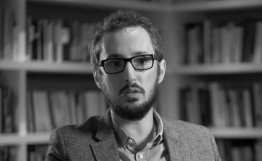
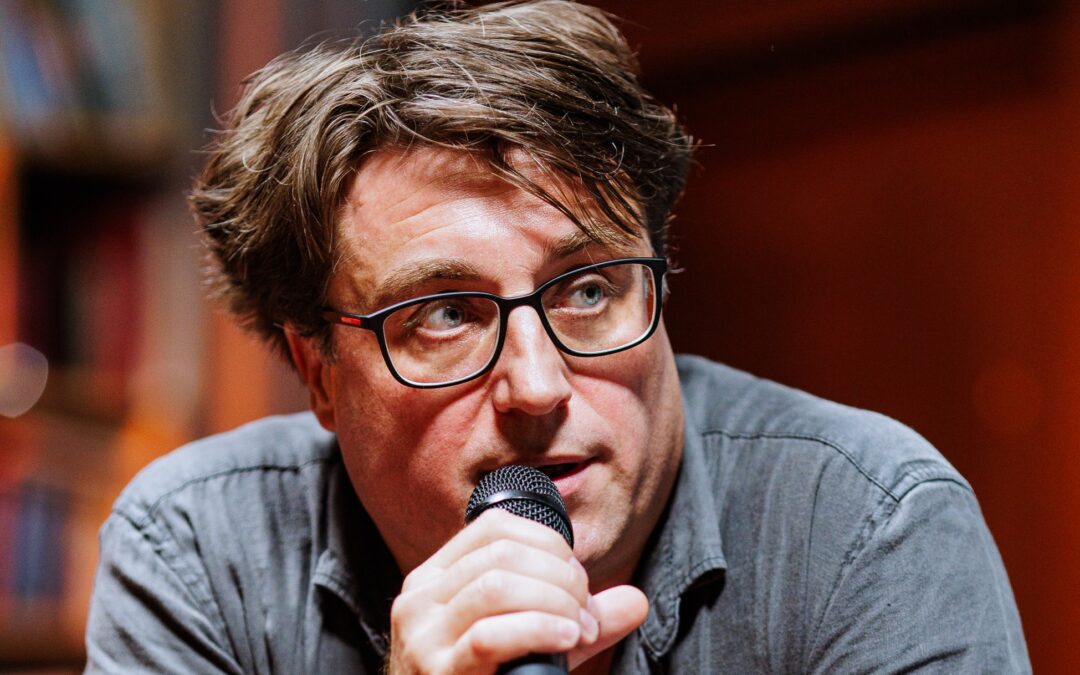
One of Poland’s leading newspapers, the liberal Gazeta Wyborcza, has suspended a prominent investigative journalist after he published an article outlining his past abusive behaviour and one of his victims, who says he abused her when she was a student, spoke out publicly.
On Friday, Marcin Kącki – an award-winning investigative journalist whose own work has often involved uncovering cases of sexual abuse and harassment – published a long article about himself in Gazeta Wyborcza, which is Poland’s biggest-selling non-tabloid daily.
The article, titled “My journalism: alcohol, failed therapy, badly loved women, neglected daughters and a fear of dawn”, dealt with the author’s many personal problems, which once led him to attempt suicide.
Mam 47 lat, depresję, PTSD, 3 nieudane terapie i 3 zaniedbane córki, alkohol, metoo oraz próbę samobójczą za sobą. #wyborczahttps://t.co/sbROPaabc8
— Gazeta Wyborcza.pl (@gazeta_wyborcza) January 6, 2024
In the text, he outlined his many relationships with women in the past, and said that he had contacted some of them recently to ask what he it had been like being with him.
He mentioned that a colleague from the Polish School of Reportage, a journalism school where Kącki had taught, told him that a student there thought he had “crossed the line” with his behaviour.
Kącki said that he contacted the woman – whom he did not name – who told him that his behaviour had been a “transgression and that I should remember that no means no”.
“And then I felt that I had come a long way,” wrote Kącki, “because what she called transgression, after all these years, all the therapy, reading and happy love, I could call give it an ever stronger name, humiliation.”
While Kącki’s text immediately won some praise from fellow journalists for his honesty, soon the victim of his behaviour at the Polish School of Reportage came forward.
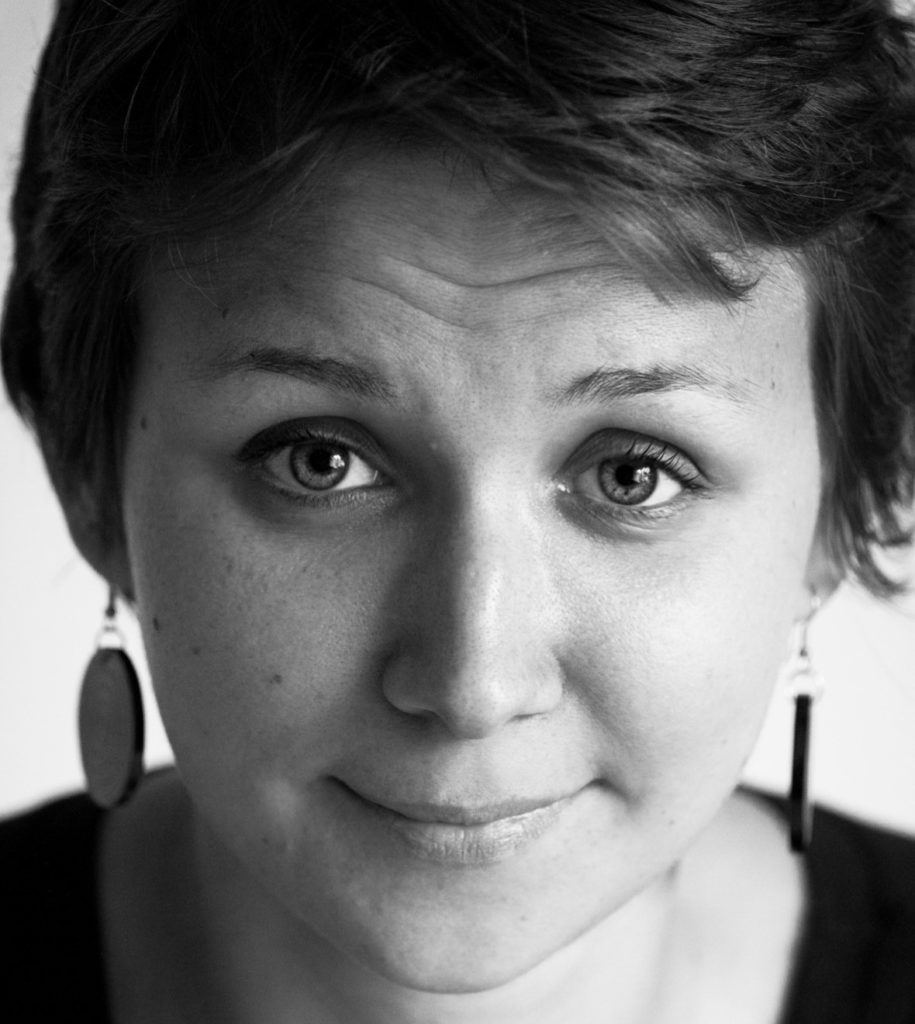
Karolina Rogaska, a journalist who now works for Newsweek Polska, a leading weekly news magazine, said she “can no longer remain silent” and that she was “tired of the cult of abusers”. Kącki’s text had felt like “you spat in my face”, she wrote.
“Marcin, if you were so honest in your text, why didn’t you write directly what you did to me and other girls?” Rogaska wrote to Kącki. “Why didn’t you write that you treated my repeated ‘NO’ as if it didn’t exist.”
“Why was it not mentioned that you told me, ‘now you say no but when you turn 30 you won’t be so picky anymore and you’ll f**k whenever you feel like it?” she continued. “How did you find it appropriate to undress and masturbate despite my obvious terror. Disgusting behaviour.”
Rogaska said she had been left feeling that Kącki’s contact with her ahead of the article “was just you gathering material for the text, which results only from the fear that the truth will come to light, so you have to get ahead of it, build a strong monument to yourself so that it would be more difficult to overturn it”.
Following Rogaska’s statement, the School of Reportage announced that Kącki had been removed from contact with its students weeks ago when they first learned of his actions towards Rogaska.
On Saturday, the school’s coordinator, Aleksandra Pakieła, said other female students had now come forward with stories of “unpleasantness” by Kącki.
On Saturday evening, Gazeta Wyborcza issued a statement saying that it “takes [Rogaska’s] statements very seriously” and was investigating the issue.
The newspaper’s deputy editor, Aleksandra Sobczak, also issued an apology, saying that she wants “Wyborcza to be a place where the rights of victims are respected and where we show their perspective. This was missing in Marcin Kącki’s text”.
On Sunday, the newspaper announced that Kącki had been suspended. “The editors of Gazeta Wyborcza have always condemned and still condemn offensive sexual behaviour – and we condemn Marcin Kącki’s behaviour from years ago in the same way,” wrote the newspaper’s editors.
However, they added that “we appreciated his confession, which we considered to be sincere”, and which was “intended to encourage other men to come to terms with their dark past in a similar way”. The newspaper also said that it had previously been unaware of any abuse accusations against Kącki.
Redakcja "Gazety Wyborczej" postanowiła zawiesić Marcina Kąckiego i odsunąć go od pracy z autorkami i autorami https://t.co/hspar49Zsi
— Roman Imielski (@romanimielski) January 7, 2024
In 2017, Gazeta Wyborcza’s parent company, Agora, suspended the head of the newspaper’s website, Michał Wybieralski, after he was accused of sexual harassment. Wybieralski apologised to “anyone who felt offended, harassed or victimised by my words or behaviour” and resigned from his job.
In 2019, prosecutors who had been investigating the claims discontinued proceedings after finding that in some cases “no signs of a prohibited act were found” and in others the statute of limitations had passed.
A study published last year based on a survey of 268 female journalists in Poland found that most had experienced some form of sexual harassment during their careers, with 59% saying they had suffered it at least once.
In 65% of those cases, the journalists said that the harassment came from someone in a more senior position. Only 18% who suffered harassment said they had reported such cases to their superiors and 30% decided to leave a job as a result of the harassment.
Almost 60% of female journalists in Poland have suffered sexual harassment at work, new research has found.
In two thirds of those cases, the harassment came from a superior and in 18% it involved being forced into a sexual act or an attempt to do so https://t.co/HhKnsy7ClH
— Notes from Poland 🇵🇱 (@notesfrompoland) March 17, 2023

Notes from Poland is run by a small editorial team and published by an independent, non-profit foundation that is funded through donations from our readers. We cannot do what we do without your support.
Main image credit: Rafał Komorowski/Wikimedia Commons (under CC BY-SA 4.0)
Daniel Tilles is editor-in-chief of Notes from Poland. He has written on Polish affairs for a wide range of publications, including Foreign Policy, POLITICO Europe, EUobserver and Dziennik Gazeta Prawna.