While Nawrocki accepted two new judges chosen by parliament, he refused to receive the oaths of four others.
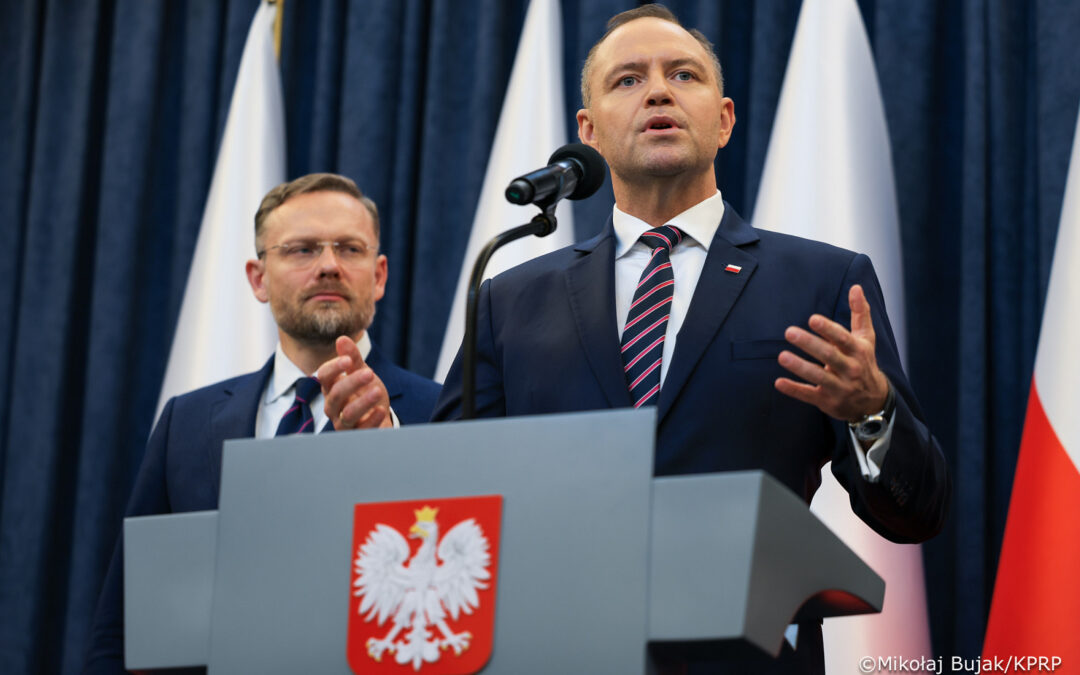

While Nawrocki accepted two new judges chosen by parliament, he refused to receive the oaths of four others.
The president could refuse to swear in the new judges, deepening Poland’s rule-of-law crisis.
We are an independent, nonprofit media outlet, funded through the support of our readers.
If you appreciate the work we do, please consider helping us to continue and expand it.
The move is an attempt by the government to bypass the president’s veto on reform of the National Council of the Judiciary.
President Nawrocki must now choose one of the five candidates to be the new chief justice.
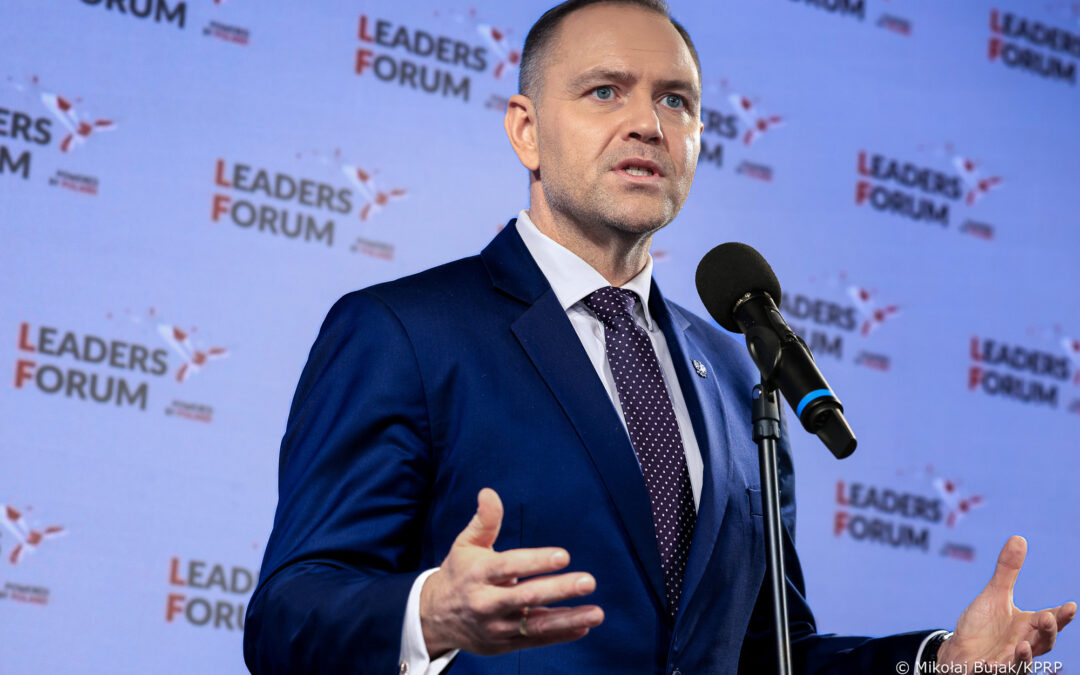
The government condemned his “autocratic” plans.
Karol Nawrocki argued that the measures would simply create even greater “legal chaos”.
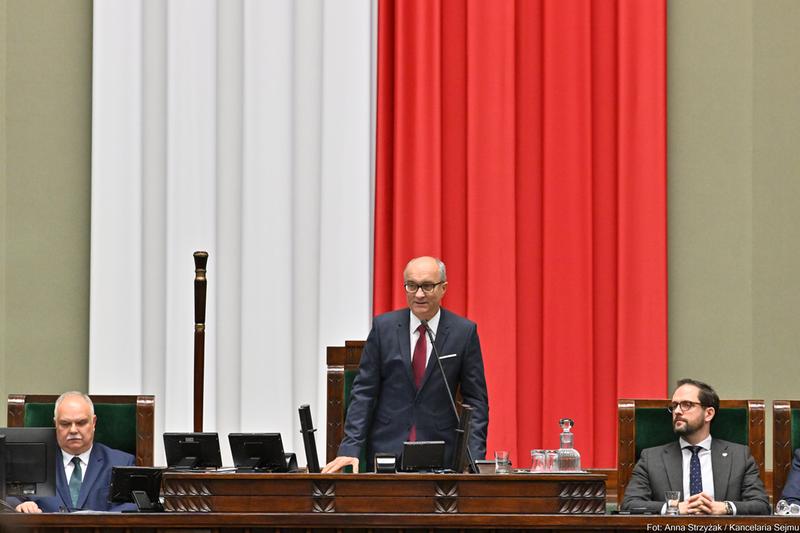
The speaker of parliament made the decision despite the current authorities regarding the body as illegitimate in its current form.
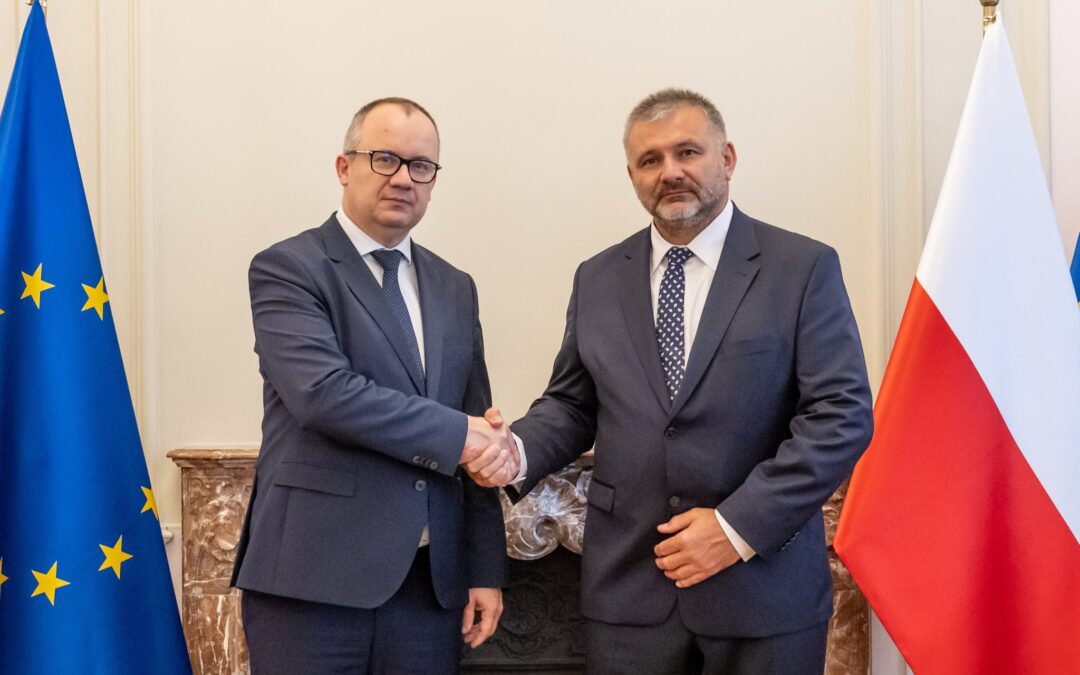
It found that the current and former justice ministers acted “without a proper legal basis”.
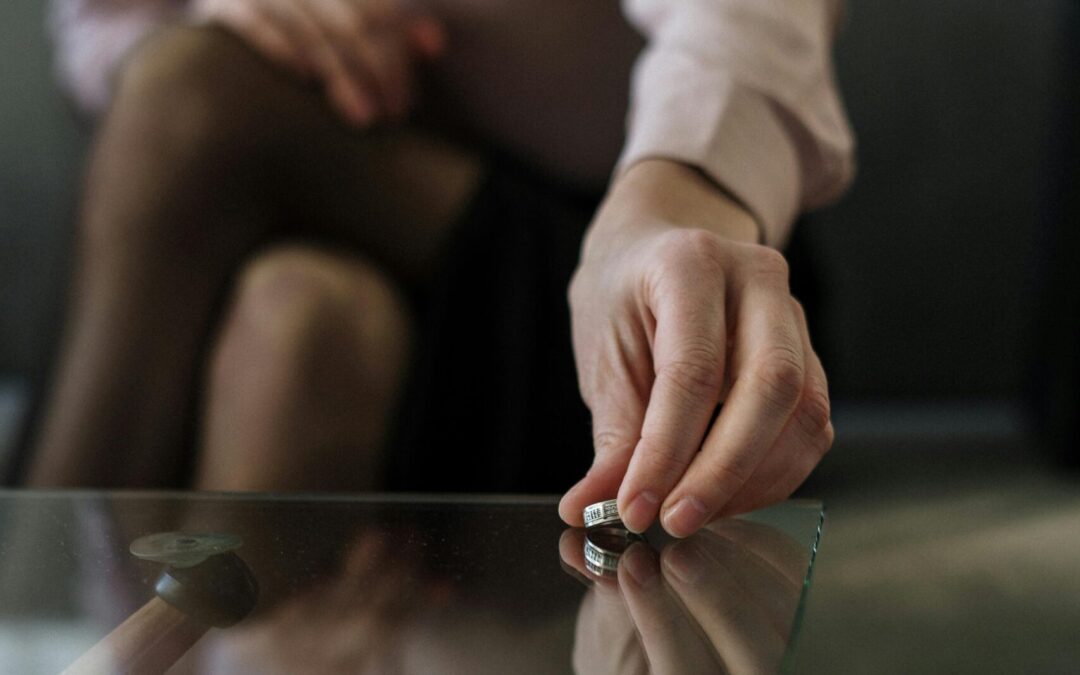
The case has highlighted how Poland’s rule-of-law dispute can impact citizens’ everyday lives.
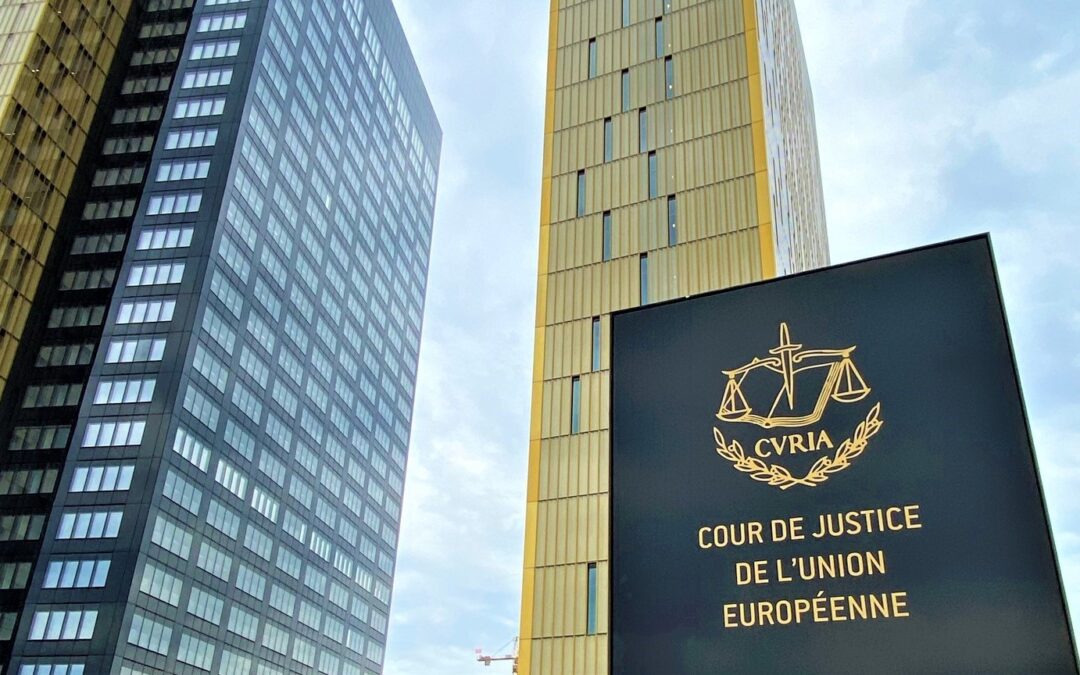
The CJEU also found that the tribunal is not a valid court as it contains unlawfully appointed judges.
The resolution, adopted by two Supreme Court chambers, deepens Poland’s rule-of-law crisis.
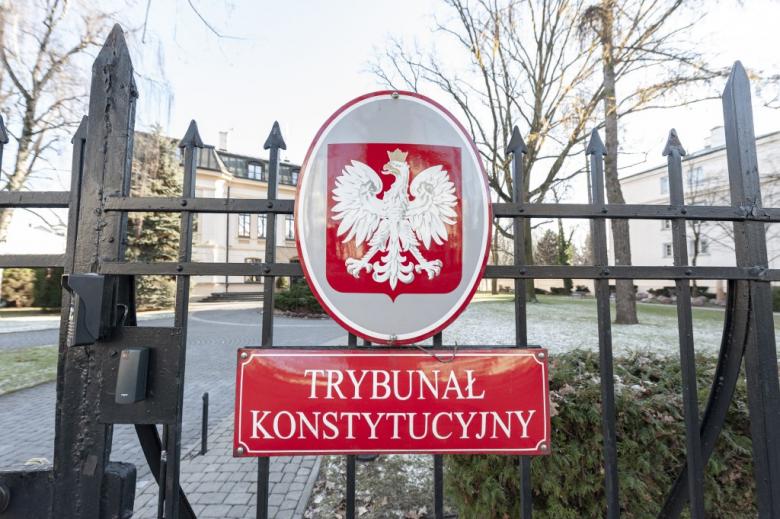
The government wants to depoliticise the National Council of the Judiciary, which is responsible for nominating judges.
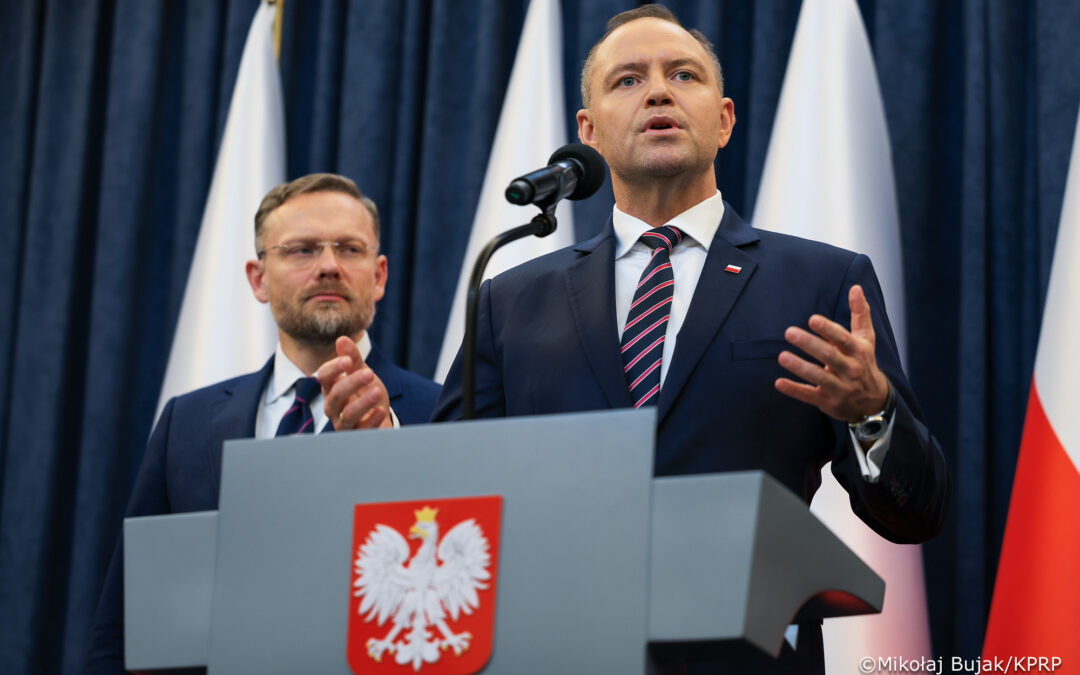
The government’s spokesman condemned the decision as a “usurpation of power and attempt to undermine the justice system”.
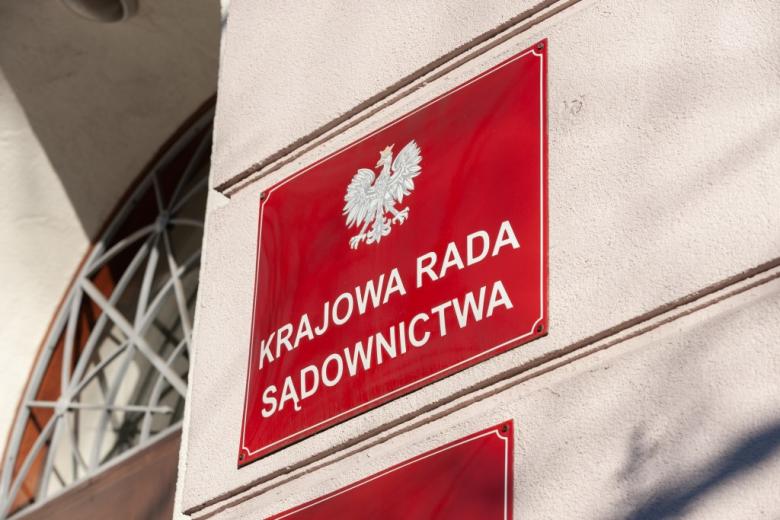
The government wants to ensure that the body responsible for nominating judges is independent of politicians.

Notes from Poland is run by a small editorial team and published by an independent, non-profit foundation that is funded through donations from our readers. We cannot do what we do without your support.
managing editor
Agnieszka Wądołowska is managing editor of Notes from Poland. She has previously worked for Gazeta.pl and Tokfm.pl and contributed to Gazeta Wyborcza, Wysokie Obcasy, Duży Format, Midrasz and Kultura Liberalna”

contributing editorial assistant
Weronika Strzyżyńska is currently studying journalism at Goldsmiths as a Scott Trust Bursary recipient. She has written on issues immigration and Brexit for New Statesman and Prospect
ARTICLES BY THIS AUTHOR

contributing writer
advisory board member
Associate Professor at the Institute of Political Studies of the Polish Academy of Science, member of the Polish parliaments
advisory board member
Executive Director of Taube Family Foundation
advisory board member
Senior Research Fellow at the Global Europe Centre, University of Kent.
advisory board member
Professor at the Institute of History of the Jagiellonian University
advisory board member
Professor of European Studies at Oxford University
advisory board member
advisory board member

assistant editor

author

deputy editor


founder, editor-at-large
Stanley Bill is the founder and editor-at-large of Notes from Poland.
He is also Senior Lecturer in Polish Studies and Director of the Polish Studies Programme at the University of Cambridge, where he works on Polish culture, politics and history.
Stanley has spent more than ten years living in Poland, mostly based in Kraków and Bielsko-Biała. He founded Notes from Poland in 2014 as a blog dedicated to personal impressions, cultural analysis and political commentary. He is committed to the promotion of deeper knowledge and understanding of Poland.
He is the Chair of the Board of the Notes from Poland Foundation.
editor-in-chief
Daniel Tilles is editor-in-chief of Notes from Poland and assistant professor of history at the Pedagogical University of Krakow. He has written on Polish affairs for a wide range of publications, including Foreign Policy, POLITICO Europe, The Independent and Dziennik Gazeta Prawna.
