“The challenges Europe now faces demand an even stronger partnership,” said British Prime Minister Keir Starmer.
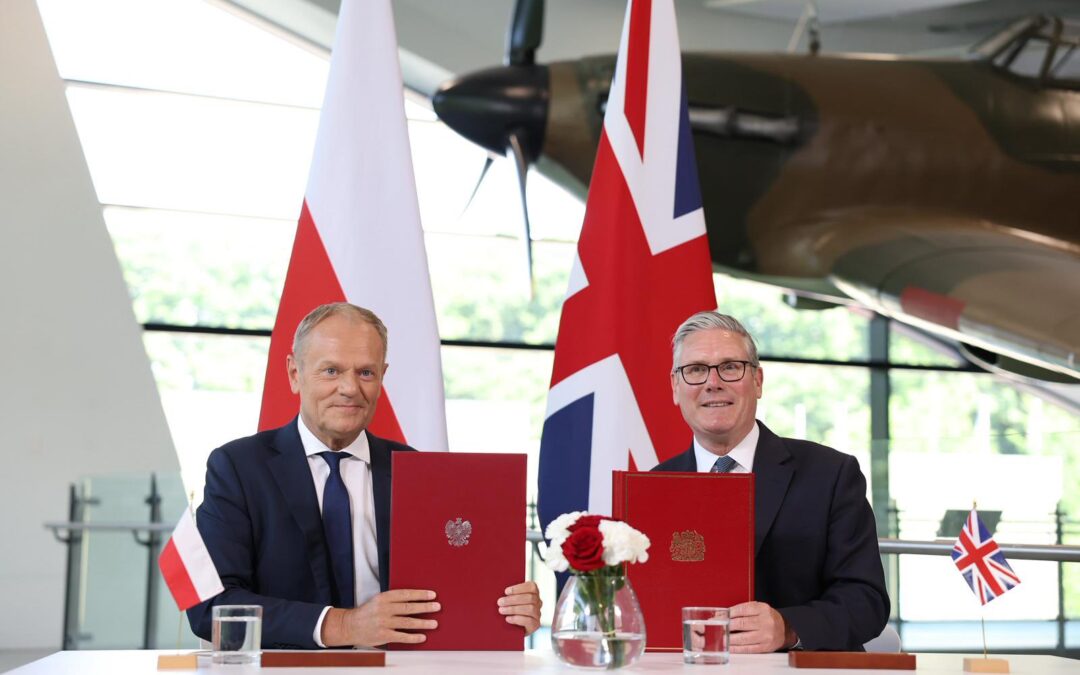

“The challenges Europe now faces demand an even stronger partnership,” said British Prime Minister Keir Starmer.
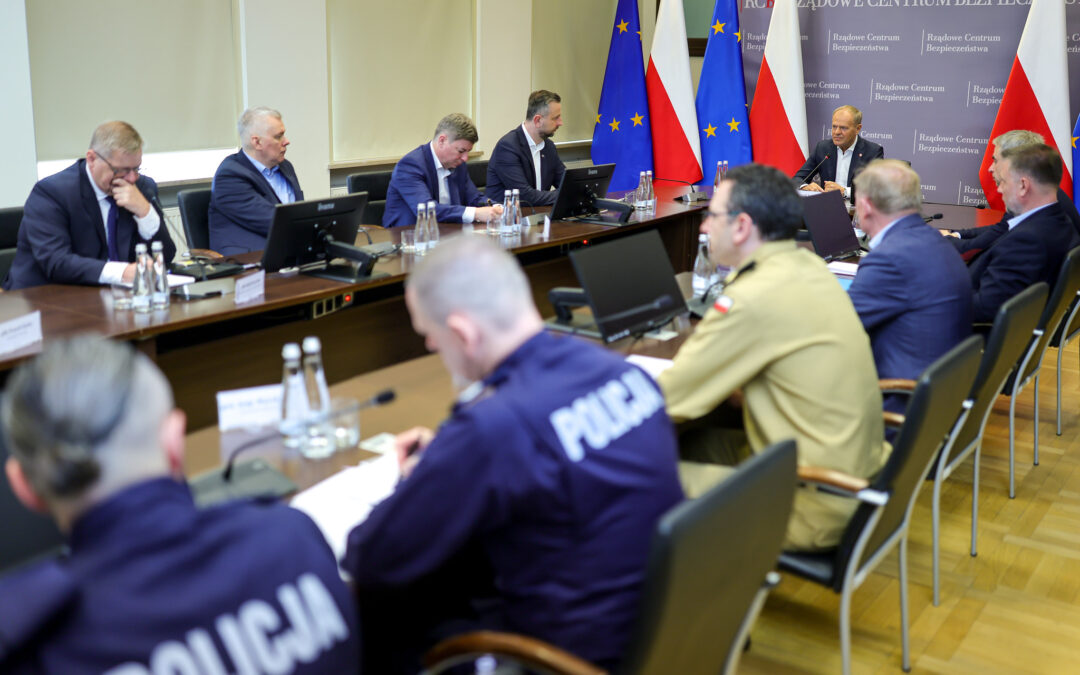
The opposition have criticised the government for failing to clamp down on the fake calls.
We are an independent, nonprofit media outlet, funded through the support of our readers.
If you appreciate the work we do, please consider helping us to continue and expand it.

The opposition’s new parliamentary majority elected a speaker but will have to wait longer to form a government.
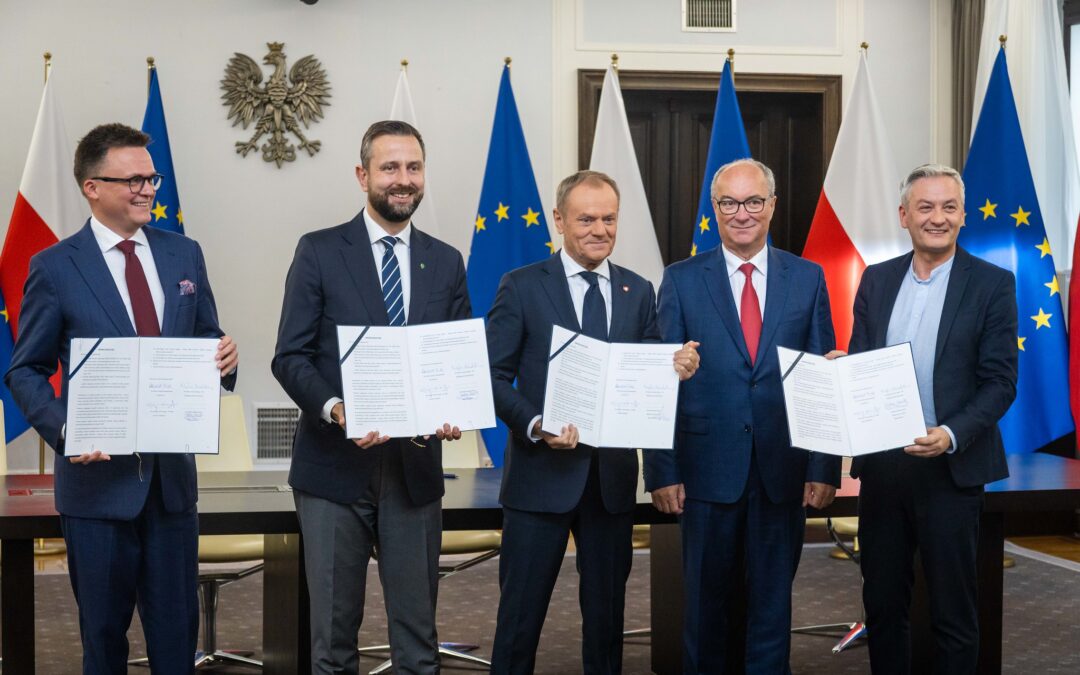
Among their pledges are reversing PiS’s judicial reforms, overturning the near-total abortion ban, depoliticising public media, and separating church and state.

In response, Władysław Kosiniak-Kamysz and his PSL party again ruled out any prospect of entering a coalition with PiS.

Agnieszka Wądołowska
In this episode, Professor Stanley Bill analyses the results of parliamentary elections in Poland.

It comes after Donald Tusk suggested EU funds could be unlocked even before legislation to restore the rule of law is passed.

“The new government will have to demonstrate very quickly that it is capable of restoring the rule of law in Poland.”
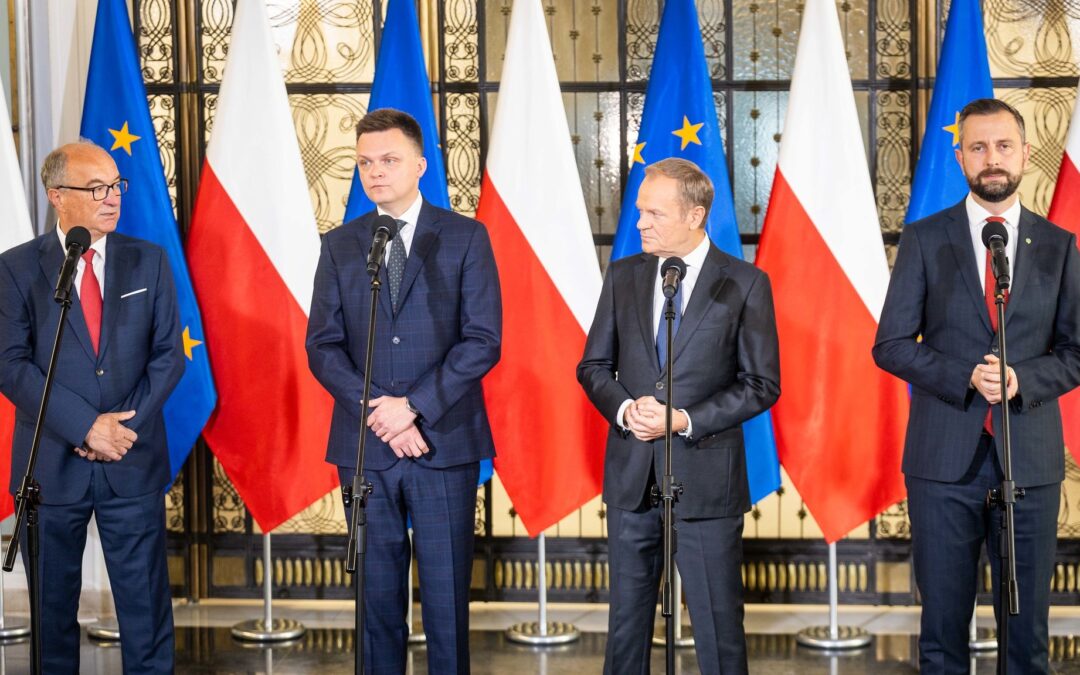
The opposition appealed to President Duda not to “waste any more time”.

During the election campaign, Tusk pledged to “go and unlock the [frozen EU] money the day after victory”.
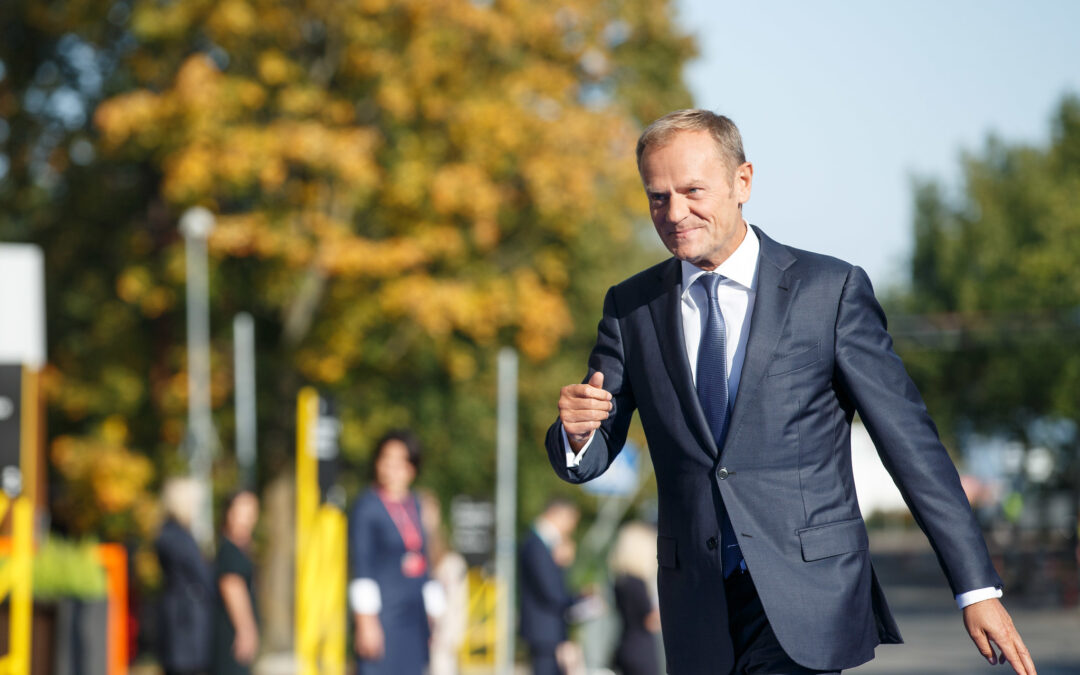
There remains uncertainty over whether the president will give the ruling party or opposition the first opportunity to form a government.

Law and Justice (PiS): 35.38%; Civic Coalition (KO): 30.70%; Third Way (Trzecia Droga): 14.40%; The Left (Lewica): 8.61%; Confederation (Konfederacja): 7.16%.
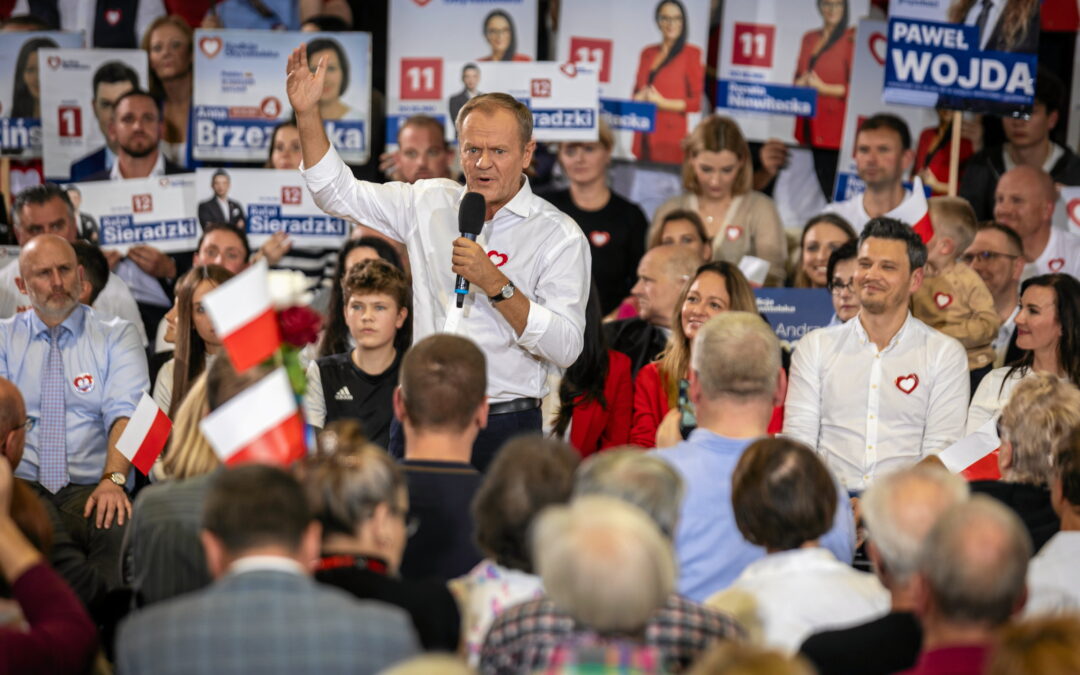
Daniel Tilles
What have we learned from what appears to have been a successful opposition campaign?

The ruling party and its leader have repeatedly emphasised that they have no desire for “Polexit”.

Notes from Poland is run by a small editorial team and published by an independent, non-profit foundation that is funded through donations from our readers. We cannot do what we do without your support.

managing editor
Agnieszka Wądołowska is managing editor of Notes from Poland. She has previously worked for Gazeta.pl and Tokfm.pl and contributed to Gazeta Wyborcza, Wysokie Obcasy, Duży Format, Midrasz and Kultura Liberalna”

contributing editorial assistant
Weronika Strzyżyńska is currently studying journalism at Goldsmiths as a Scott Trust Bursary recipient. She has written on issues immigration and Brexit for New Statesman and Prospect
ARTICLES BY THIS AUTHOR

contributing writer

advisory board member
Associate Professor at the Institute of Political Studies of the Polish Academy of Science, member of the Polish parliaments

advisory board member
Executive Director of Taube Family Foundation

advisory board member
Senior Research Fellow at the Global Europe Centre, University of Kent.
advisory board member
Professor at the Institute of History of the Jagiellonian University
advisory board member
Professor of European Studies at Oxford University
advisory board member

advisory board member

assistant editor

author

deputy editor


founder, editor-at-large
Stanley Bill is the founder and editor-at-large of Notes from Poland.
He is also Senior Lecturer in Polish Studies and Director of the Polish Studies Programme at the University of Cambridge, where he works on Polish culture, politics and history.
Stanley has spent more than ten years living in Poland, mostly based in Kraków and Bielsko-Biała. He founded Notes from Poland in 2014 as a blog dedicated to personal impressions, cultural analysis and political commentary. He is committed to the promotion of deeper knowledge and understanding of Poland.
He is the Chair of the Board of the Notes from Poland Foundation.
editor-in-chief
Daniel Tilles is editor-in-chief of Notes from Poland and assistant professor of history at the Pedagogical University of Krakow. He has written on Polish affairs for a wide range of publications, including Foreign Policy, POLITICO Europe, The Independent and Dziennik Gazeta Prawna.

