Keep our news free from ads and paywalls by making a donation to support our work!

Notes from Poland is run by a small editorial team and is published by an independent, non-profit foundation that is funded through donations from our readers. We cannot do what we do without your support.
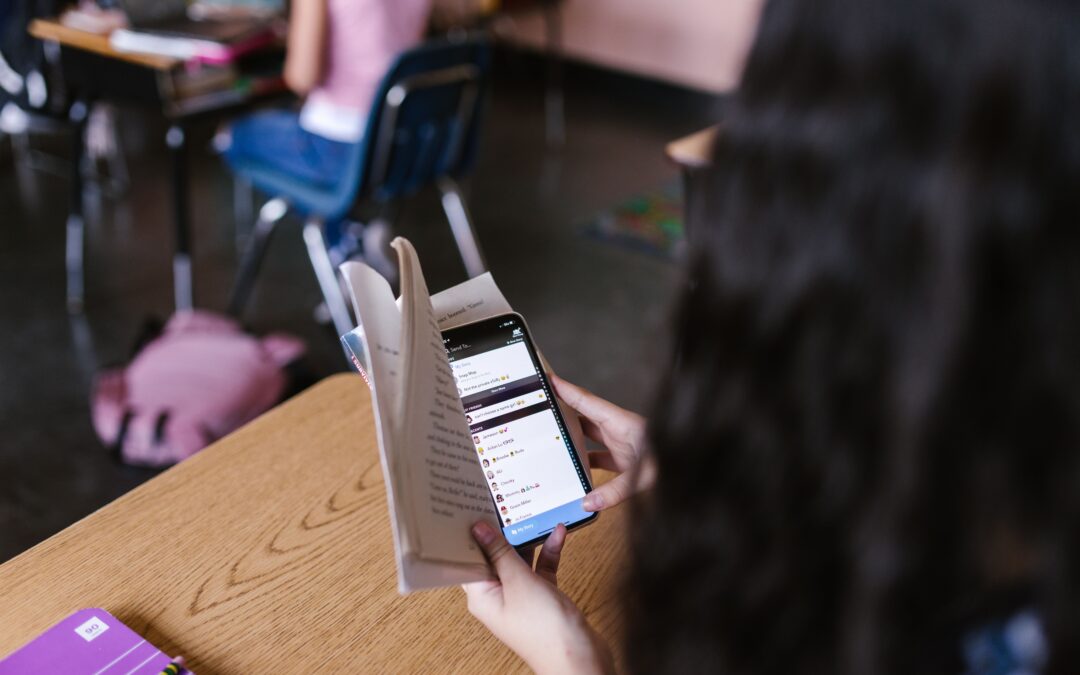
Poland has banned children from using smartphones and other electronic devices in primary schools and preschools in a bid to improve their wellbeing and safety.
The new legislation, signed into law by President Karol Nawrocki on Thursday, will take effect at the start of the school year on 1 September, but schools will have until the end of 2026 to adjust.
Prezydent podpisał nowelizację, która zakazuje korzystania z telefonów komórkowych w przedszkolach i szkołach. (PAP)#PAPInformacje pic.twitter.com/CK7YFU7sru
— Polska Agencja Prasowa/Polish Press Agency (PAP) (@PAPinformacje) July 30, 2026
Under the new rules, pupils in primary schools and preschools will be prohibited from using smartphones and other electronic devices allowing communication or audio and video recording for the entire school day, including breaks and lessons held outside of school grounds.
Schools will be allowed, but not required, to create designated places where pupils’ devices can be stored in a safe way and with respect for their privacy.
The law, however, allows for some exceptions. When pupils need a device because of illness, disability or other special needs, school headteachers can permit their use. Phones could also be used in emergencies where there is a direct threat to life, health or property.
Furthermore, pupils will be permitted to use mobile phones if a teacher deems them necessary for educational purposes and gives approval.
The law also allows secondary schools to introduce bans on smartphone use if they choose, but does not make this compulsory, with such schools retaining autonomy to set their own rules through their statutes.
The draft law banning phones from primary schools was first approved by the government in June. It then went to the Sejm, the lower and more powerful chamber of Poland’s parliament, which introduced amendments, including extending the measures to preschools.
The Sejm then approved the bill in a rare near-unanimous vote, with only some MPs from the far-right Confederation (Konfederacja) voting against it.
Subsequently, the Senate passed the bill without amendments, sending it to Nawrocki, who could have signed it, vetoed it, or sent it to Poland’s constitutional court for review.
Poland’s government has approved a ban on mobile phones in primary schools as well as tougher age-verification requirements for online pornography.
Both measures still require parliamentary and presidential approval before becoming law https://t.co/y4Ycf46FQD
— Notes from Poland 🇵🇱 (@notesfrompoland) June 2, 2026
The president ultimately decided to sign the law, with his office noting that the measures aim to “create safer learning conditions” and support the “healthy and responsible” use of digital technologies by pupils.
Poland’s education minister Barbara Nowacka said last month that the law would “improve teachers’ power, autonomy and agency, as well as order and digital wellbeing in schools”.
She added that, although many schools already have such bans in place, teachers had asked for legal backing to help enforce them.
For more on the measures, see our earlier report from when the bill was approved almost unanimously by parliament, with only the far right voting against it https://t.co/9Mx0SfkE5V
— Notes from Poland 🇵🇱 (@notesfrompoland) July 17, 2026
According to a survey conducted in April by the Polish state research institute CBOS for the Polish Press Agency (PAP), 85% of Poles support a ban on the use of smartphones in primary schools.
Poland has been recently stepping up efforts to protect young people from various digital threats. The topic has been a rare area of consensus between the government and Nawrocki, who has vetoed a record number of bills.
Earlier this month, Nawrocki signed a law banning online content depicting illegal acts or other forms of abusive and degrading behaviour – known in Polish as “patostreaming”.
Another measure approved by the government that is now being considered by parliament is the introduction of stricter age-verification requirements for accessing online pornography. In January, the digital affairs ministry also announced that it hoped to introduce measures blocking children from access to social media.
Poland hopes this year to introduce measures preventing children from accessing social media, says the country's digital affairs ministry.
It is working on tools that would require platforms to verify the age of users https://t.co/G7qeEl2q9x
— Notes from Poland 🇵🇱 (@notesfrompoland) January 5, 2026
Notes from Poland is run by a small editorial team and published by an independent, non-profit foundation that is funded through donations from our readers. We cannot do what we do without your support.
Main image credit: RDNE Stock project / Pexels

Olivier Sorgho is senior editor at Notes from Poland, covering politics, business and society. He previously worked for Reuters.