Keep our news free from ads and paywalls by making a donation to support our work!

Notes from Poland is run by a small editorial team and is published by an independent, non-profit foundation that is funded through donations from our readers. We cannot do what we do without your support.
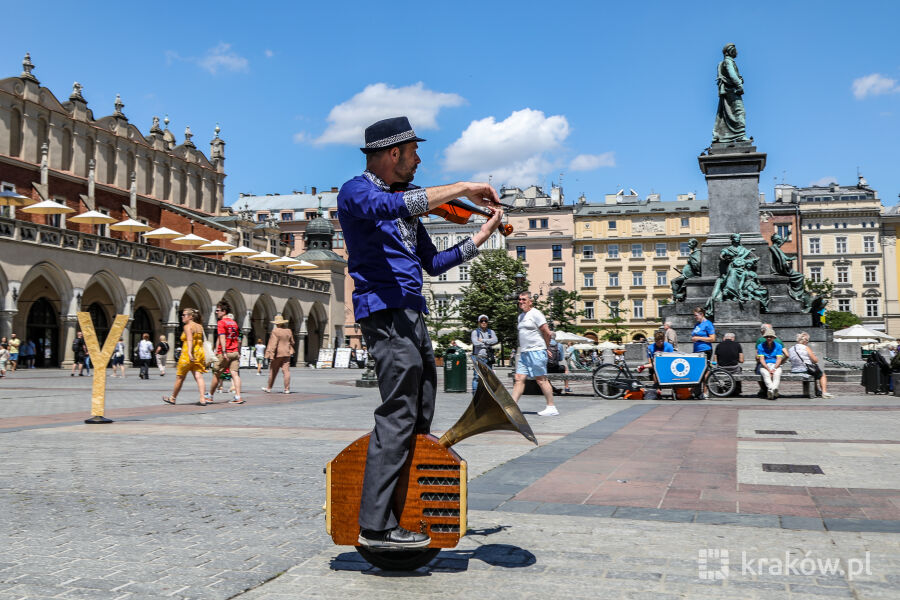
The Polish city of Kraków has been ranked as the 10th best in the world for art and culture by Time Out magazine, based on a survey of local residents in 150 cities around the globe.
The magazine described Poland’s second-largest city as the country’s “cultural heart”, pointing to the historic palaces of its Old Town, its Jewish heritage, museums, and the revitalisation of industrial areas.
London topped Time Out’s ranking, followed by Paris and New York City. Berlin, Cape Town, Melbourne, São Paulo, Madrid and Florence made up the rest of the top 10.
London has been named the world’s number one city for culture.
From free world-class museums to theatre, music, dance and live performance, London’s cultural life reflects the creativity, diversity and global influence that defines our city.https://t.co/o7Q0tHdNn2
— Mayor of London, Sadiq Khan (@MayorofLondon) May 14, 2026
Kraków, which was once Poland’s capital, is now known as the country’s cultural and educational hub, hosting a large number of historic sites, museums, galleries, theatres, music venues and universities.
With “well-preserved Baroque, Gothic and Renaissance palaces in the UNESCO-protected Old Town” as well as “the rich Jewish heritage of the Kazimierz district and industrial revitalisation of Zablocie”, Kraków is a city that “keeps you exploring”, writes Time Out.
In 2024, the magazine rated Zabłocie as one of the “coolest neighbourhoods in the world”. Earlier this year, it ranked Kraków as the 16th best city in the world to live in and visit.
Kraków’s entire historic centre – which includes the Old Town and its centrepiece, Europe’s largest medieval town square, as well as Wawel Castle and the former Jewish district of Kazimierz – has been a UNESCO World Heritage Site since 1978.
Time Out highlights the city’s Museum of Contemporary Art (MOCAK) and Oskar Schindler’s former factory, now home to a museum about Kraków’s wartime occupation. Both are located in Zabłocie.
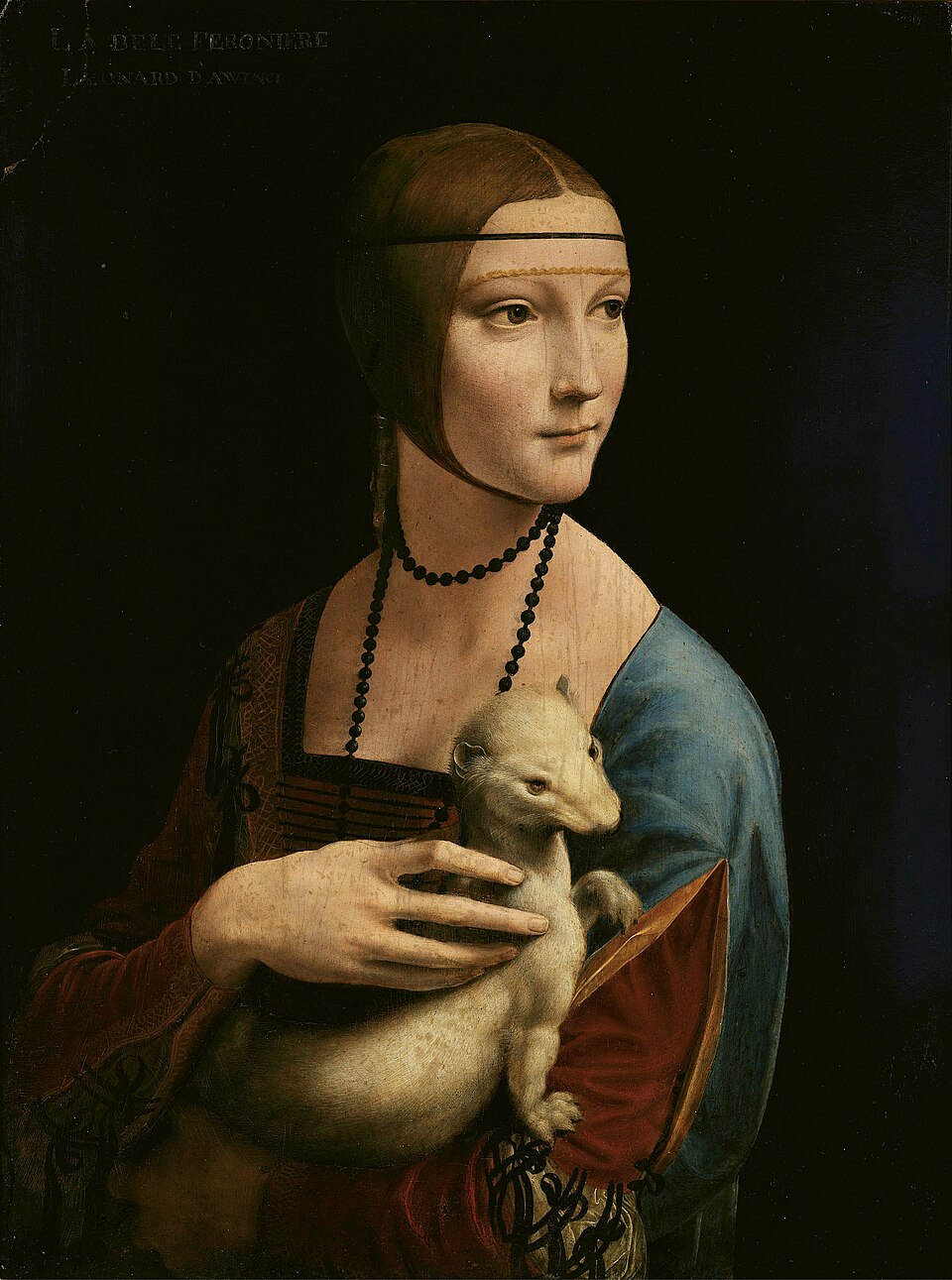
Likewise, the magazine recommends the Czartoryski Museum, whose treasures include Leonardo da Vinci’s Lady with an Ermine (pictured below), and the “mesmerising Jagiellonian tapestries” displayed in Wawel Castle, the former seat of Polish kings.
Time Out also highlights the Jewish Culture Festival held annually in Kazimierz since 1988 (although scaled back due to security fears in recent years), and names Wesoła, an area close the city centre in a former hospital complex, as Kraków’s “hottest new cultural address”.
Kraków,which was last named as Europe’s best city break destination for the fifth time by British consumer association and magazine Which?, is Poland’s main tourist destination.
In 2024, it was visited by just under 8 million tourists who stayed at least one night in the city, of whom 1.5 million were from abroad. Among the latter group, the largest numbers came from the UK (21%), followed by Germany (9%), Italy (8%) and the US (7%).
However, Kraków’s growing popularity has also caused tensions with local residents, who complain of overtourism and soaring prices. In 2024, the local authorities appointed the city’s first “night mayor”, who is tasked with reconciling the interests of residents, tourists and businesses.
Poland itself is also seeing rising interest from international travellers. Last year, the country recorded the EU’s second-largest rise in tourism, behind only the Mediterranean island state of Malta.
Kraków has been rated as the 16th best city in the world by Time Out, which describes it as a "real-life fairytale" and praises its walkability, food and culture https://t.co/N8qAKylwEB
— Notes from Poland 🇵🇱 (@notesfrompoland) March 12, 2026
Notes from Poland is run by a small editorial team and published by an independent, non-profit foundation that is funded through donations from our readers. We cannot do what we do without your support.
Main image credit: Bogusław Świerzowski/Krakow.pl
Ben Koschalka is a translator, lecturer, and senior editor at Notes from Poland. Originally from Britain, he has lived in Kraków since 2005.