Keep our news free from ads and paywalls by making a donation to support our work!

Notes from Poland is run by a small editorial team and is published by an independent, non-profit foundation that is funded through donations from our readers. We cannot do what we do without your support.
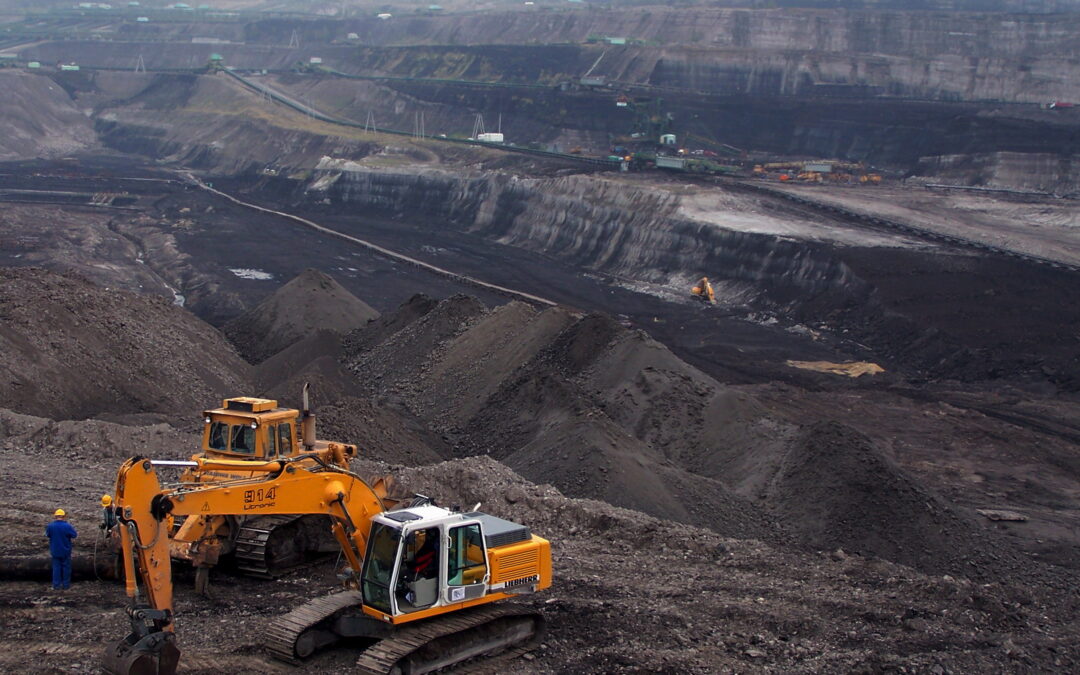
The European Court of Justice (ECJ) has rejected a final appeal by Poland against the €68.5 million in fines it was forced to pay by the European Union for failing to suspend activity at the Turów coal mine during an environmental dispute with the Czech Republic.
The ruling now brings the long-running case to a close.
#ECJ: #Poland loses appeal against the judgment of the #EUGeneralCourt concerning the daily penalties in the #Turów mine case 👉 https://t.co/uDHqVXNzzu
— EU Court of Justice (@EUCourtPress) January 22, 2026
The dispute dates back to 2021, when Prague filed a complaint to the Court of Justice of the European Union (CJEU) over Poland’s expansion of operations at Turów, an open-cast mine near the Czech border. It argued that Poland had acted in violation of EU law and its actions would cause environmental damage.
As an interim measure, the CJEU ordered the mine to suspend operations for the duration of the court proceedings. Poland refused to comply, arguing that the continued operation of the mine and the nearby power plant that it supplies, which produced 7% of Poland’s electricity, was crucial for energy security.
As a result, the CJEU in September 2021 ordered Poland to begin paying daily fines of €500,000 until it complied. Poland then refused to pay those fines, leading the European Commission to deduct the money, €68.5 million in total, from Poland’s EU funds.
In 2022, after it had reached an agreement with the Czech Republic to end the dispute over the mine, Poland launched a complaint to the CJEU against the European Commission’s actions.
It argued that the agreement with Prague meant the fines could be cancelled retroactively and that the commission’s decision to deduct the money was therefore unlawful. The fines had been issued before the agreement with Prague, but the commission took the money after the agreement had been reached.
In 2024, one part of the CJEU, known as the General Court, rejected Poland’s complaint. It found that the removal of the case from the court’s register following the settlement with the Czech Republic did not relieve Poland of the obligation to settle the fines already accrued.
The EU's top court has rejected a complaint by Poland's former government against the European Commission's decision to deduct money from Polish EU funds to cover fines Warsaw refused to pay for failing to comply with an order to close Turów coal mine https://t.co/cdYktUKudk
— Notes from Poland 🇵🇱 (@notesfrompoland) May 30, 2024
Although the case had originally been brought by Poland’s former national-conservative Law and Justice (PiS) government, which ruled until December 2023 and regularly clashed with Brussels, its current more pro-EU government, led by Prime Minister Donald Tusk, still decided to appeal the ruling.
That appeal was heard by the European Court of Justice, which is the second part of the CJEU. In a ruling issued on Thursday, the ECJ rejected Poland’s appeal.
“The obligation to pay the daily penalty…is intended to ensure compliance with the interim measures already ordered, to preserve the full effectiveness of the future final decision, and thus to guarantee the effective application of EU law in the general interest,” wrote the court.
“The actions of the parties to the dispute, including the conclusion of a settlement agreement, cannot have the effect of retroactively varying, annulling or setting aside an order imposing such a periodic penalty payment,” it added.
Komisja Europejska nie zamierza zwracać Polsce 68 mln euro kar za odmowę wstrzymania wydobycia węgla w kopalni #Turów na Dolnym Śląsku.
Powodów do odwołania @vonderleyen przybywa z dnia na dzień.
Dziś o godz. 12:00 trzecia w tej kadencji próba odwołania Komisji Europejskiej. pic.twitter.com/Olusp5gOTb
— Anna Zalewska 🇵🇱 (@AnnaZalewskaMEP) January 22, 2026
At the time of writing, Poland’s government had not yet commented on the ruling. However, Anna Zalewska, a former PiS government minister and now member of the European Parliament, used it as an opportunity to criticise European Commission President Ursula von der Leyen.
“The European Commission does not intend to return to Poland the €68 million in fines for refusing to suspend coal mining at the Turów mine,” wrote Zalewska on social media. “The reasons for removing von der Leyen [from her position] are increasing day by day.”
Notes from Poland is run by a small editorial team and published by an independent, non-profit foundation that is funded through donations from our readers. We cannot do what we do without your support.
Main image credit: Anna Uciechowska/Wikimedia Commons (under CC BY-SA 3.0)

Daniel Tilles is editor-in-chief of Notes from Poland. He has written on Polish affairs for a wide range of publications, including Foreign Policy, POLITICO Europe, EUobserver and Dziennik Gazeta Prawna.