Keep our news free from ads and paywalls by making a donation to support our work!

Notes from Poland is run by a small editorial team and is published by an independent, non-profit foundation that is funded through donations from our readers. We cannot do what we do without your support.
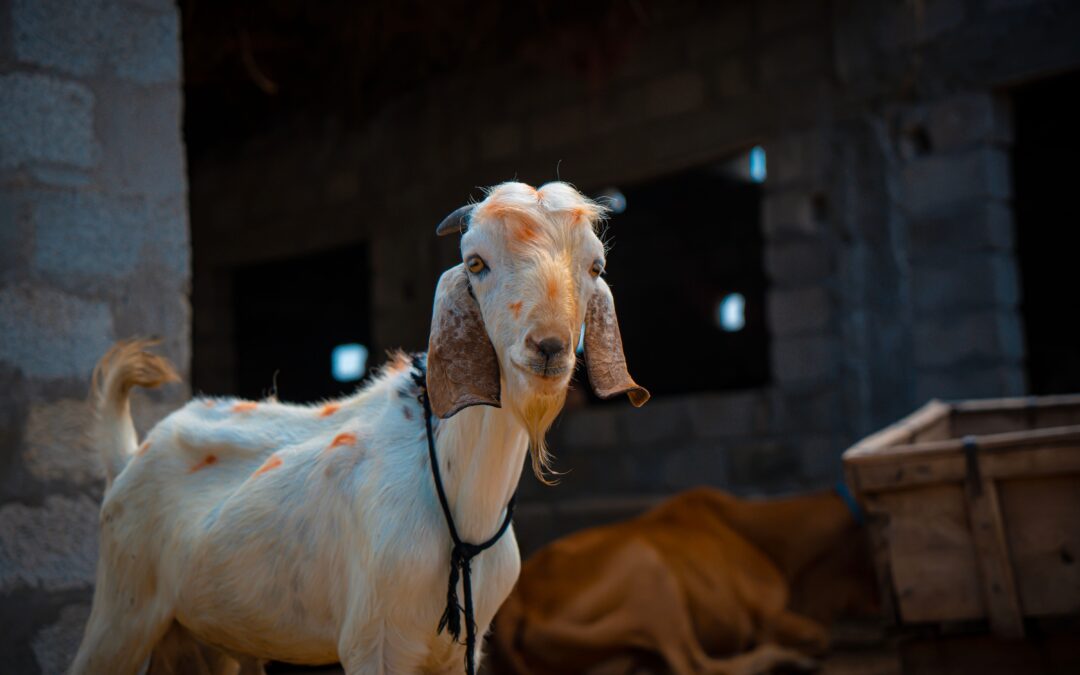
Polish prosecutors have asked a court to discontinue a case against three South Asian men who were caught illegally slaughtering a goat at the back of a kebab bar.
They say that the men did not realise they were breaking the law, that such practices are normal in their home countries, and that that the meat was for their own consumption. Prosecutors therefore believe the crime was of low social harm and not worth the court’s time.
🔴Ubili kozę na zapleczu. Wkrótce decyzja sądu, zastanawia ruch prokuratury
Sąd Rejonowy w Wałbrzychu w najbliższym czasie zdecyduje o losie trójki obcokrajowców, którzy pod koniec zeszłego roku niezgodnie z polskim prawem ubili kozę. Oskarżająca Hindusa i dwójkę Bengalczyków…
— Wirtualna Polska (@wirtualnapolska) October 7, 2026
The case involves two Bangladeshi nationals and one Indian, all legal residents in Poland. The incident came to light in December 2025, after witnesses reported seeing the trio leading a goat through the centre of the city of Wałbrzych, before taking it to the back of a kebab bar.
After killing the animal, the men began butchering it for meat, which they were still portioning out when the police arrived. They told officers that the meat was intended for their own consumption. The kebab bar was closed for renovations at the time.
The men also said that such slaughter was customary in their home countries and they were unaware that, with limited exceptions, animals in Poland may generally be slaughtered only at authorised slaughterhouses, reports broadcaster RMF
A spokesman for prosecutors, Mariusz Pindera, told the Wirtualna Polska news website that the men’s unfamiliarity with Polish law did not “absolve them of the obligation to comply with the regulations”.
However, “the harmfulness of the act is relatively low, although I know that what these people did shocks many people”, he continued. “We must be realistic about the fact that the court proceedings will take some time, thus blocking the docket for other cases. A trial also entails costs for the state.”
Prosecutors have therefore asked the court for a so-called conditional discontinuation of the case, a very common procedure under Polish law. Almost 25,000 such motions were submitted last year by prosecutors, citing the low social harm of the offences involved, reports Wirtualna Polska.
The court must now decide whether to accept or reject the prosecution’s motion. In the latter case, prosecutors would be required to proceed with an indictment against the suspects and seek a conviction. No hearing date on the motion has yet been set.
Indians are now the third-largest group of foreign workers in Poland, followed by Colombians, according to new data from the country’s Social Insurance Institute (ZUS).
Ukrainians remain by far the largest immigrant group, followed by Belarusians https://t.co/hNiOqmeUfX
— Notes from Poland 🇵🇱 (@notesfrompoland) August 11, 2026
Not all cases involving illegal animal slaughter have been treated as causing low social harm. Last month, a court in the town of Limanowa convicted three men for carrying out illegal halal ritual slaughter and selling unapproved meat.
The main suspect, a Polish man, was found guilty of overseeing the operation, while two Azerbaijani nationals were convicted of helping distribute the illegal meat. The verdicts can still be appealed.
Although it has relatively small Muslim and Jewish populations, Poland is one of Europe’s biggest producers and exporters of kosher and halal meat.
Almost a third of Poland's meat exports are halal and kosher, making it one of Europe's leading producers.
Having fought off attempts by the ruling party to ban ritual slaughter, the industry is now hoping to expand further to cater to a growing market https://t.co/duOJTfHoLT
— Notes from Poland 🇵🇱 (@notesfrompoland) February 21, 2022
However, the country has itself been experiencing growing levels of migration in recent years. Most of the new arrivals are from neighbouring Ukraine and Belarus, but there are also growing numbers from outside Europe, too.
Indians are now Poland’s third-largest immigrant group, numbering around 25,500, according to recent data from the country’s Social Insurance Institute (ZUS). Among first residence permits issued by Poland last year, Indians (9,230) and Turks (7,533) were the fourth and fifth largest recipients.
Poland’s current government has blamed some immigrant groups for a rise in crime and has stepped up deportations of those found to have broken the law. However, data show that, overall, immigrants are less likely to commit crimes than Poles themselves.
Notes from Poland is run by a small editorial team and published by an independent, non-profit foundation that is funded through donations from our readers. We cannot do what we do without your support.
Main image credit: Prime Media Photography / Pexels

Alicja Ptak is deputy editor-in-chief of Notes from Poland and a multimedia journalist. She has written for Clean Energy Wire and The Times, and she hosts her own podcast, The Warsaw Wire, on Poland’s economy and energy sector. She previously worked for Reuters.