Keep our news free from ads and paywalls by making a donation to support our work!

Notes from Poland is run by a small editorial team and is published by an independent, non-profit foundation that is funded through donations from our readers. We cannot do what we do without your support.
Russia has advised its citizens against travelling to Poland because of “Russophobic sentiments” and “persecution of Russian citizens”.
On Tuesday, the Russian embassy in Warsaw issued a “warning for Russian citizens planning trips to Poland”, saying that, “under current circumstances, [we] strongly recommend that Russian citizens refrain from travelling to Poland unless absolutely necessary”.
❗️Предупреждение для граждан России, планирующих поездки в Польшуhttps://t.co/jEJ5xyaBt4 pic.twitter.com/zvS1Tq9I2s
— Russian Embassy, PL (@rusemb_pl) January 14, 2026
“In Poland, there has been a rise in Russophobic sentiments, an increase in cases of persecution of Russian citizens, and accusations against them on completely trumped-up pretexts,” they added.
The Kremlin has regularly accused Poles of harbouring hatred towards Russians. Last year, a state-backed exhibition titled “Ten Centuries of Polish Russophobia” opened in Moscow.
Poles do indeed have overwhelmingly negative views of Russia. However, that is in large part based on a history in which Russia has invaded, occupied and ruled over Polish territory, including, most recently, decades of Moscow-imposed communist rule.
A new exhibition on “Ten Centuries of Polish Russophobia” has opened in Moscow, organised by a state historical society.
The display presents the Kremlin's revisionist view of history, including downplaying Soviet responsibility for the Katyn massacre https://t.co/YmQizwWnrm
— Notes from Poland 🇵🇱 (@notesfrompoland) October 14, 2025
The embassy added that there is a particular risk for Russians who have previously “travelled to new regions of Russia” – a reference to Russian-occupied parts of Ukraine. Such visits “could be interpreted as illegal by Polish authorities at Ukraine’s request”.
That is likely a reference to the detention in Warsaw last month of a Russian archaeologist from the renowned Hermitage Museum in Saint Petersburg. He was arrested at the request of Ukraine, which accuses him of conducting illegal excavations in occupied Crimea.
Earlier this week, Moscow summoned the Polish ambassador to issue a protest against his detention and to demand his release. A Polish court is due soon to decide on whether to extradite the suspect to Ukraine.
Russia has summoned the Polish ambassador to demand the release of a Russian archaeologist who was detained in Poland last month at the request of Ukraine.
A Warsaw court is due this week to rule on whether he should be extradited to face trial in Ukraine https://t.co/nJ8esVz2pi
— Notes from Poland 🇵🇱 (@notesfrompoland) January 13, 2026
Russians are already banned from entering Poland in most cases, even if they possess a Schengen visa. Exceptions include humanitarian reasons – for example, opposition figures fleeing Russia – and diplomatic or other official visits.
Earlier this month, Poland refused to allow two Russian ski jumpers to participate in a World Cup event in the town of Zakopane, despite them being cleared to compete by the Court of Arbitration for Sport.
Poland was also removed as the host of two European junior weightlifting championships this year due to its refusal to allow athletes from Russia and Belarus to take part.
Poland has been removed as the host of two European junior weightlifting championships after refusing to allow Russian athletes to take part
The European Weightlifting Federation says it "does not accept discrimination based on geopolitical circumstances" https://t.co/j7PfiTHZ1M
— Notes from Poland 🇵🇱 (@notesfrompoland) January 9, 2026
Diplomatic tensions between Russia and Poland have been at a heightened level in recent years. Since Russia’s full-scale invasion of Ukraine, Poland has been one of Kyiv’s closest allies and has demanded tougher international action against Moscow.
Meanwhile, Russia has orchestrated a campaign of sabotage, cyberattacks, disinformation and other so-called hybrid activities in Poland.
That has prompted Warsaw to successively order the closure of all Russia’s consulates in Poland, with Moscow retaliating by ordering all Polish consulates in Russia to close.
Notes from Poland is run by a small editorial team and published by an independent, non-profit foundation that is funded through donations from our readers. We cannot do what we do without your support.
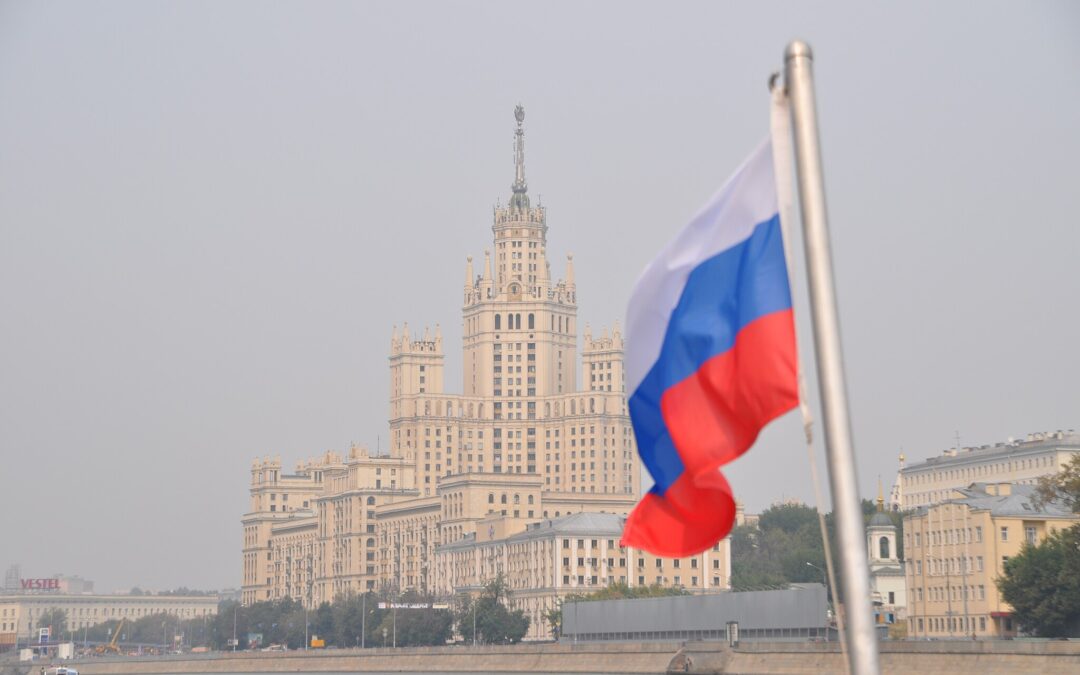
Main image credit: Schlurcher/Wikimedia Commons (under CC BY 4.0)

Daniel Tilles is editor-in-chief of Notes from Poland. He has written on Polish affairs for a wide range of publications, including Foreign Policy, POLITICO Europe, EUobserver and Dziennik Gazeta Prawna.