Keep our news free from ads and paywalls by making a donation to support our work!

Notes from Poland is run by a small editorial team and is published by an independent, non-profit foundation that is funded through donations from our readers. We cannot do what we do without your support.
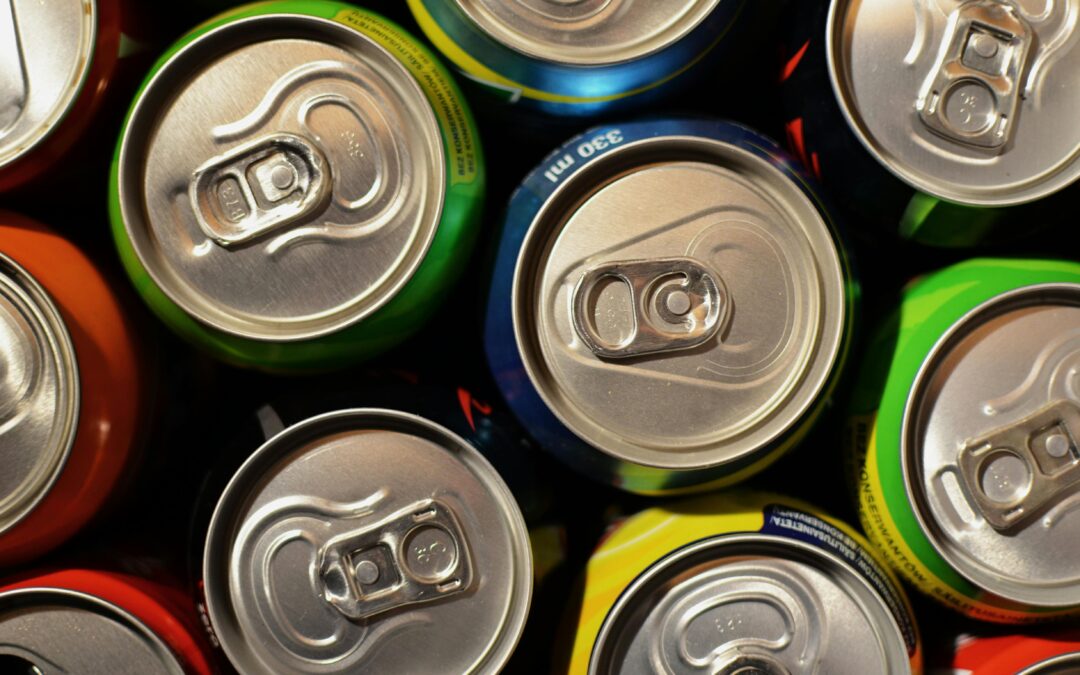
Russia has taken control of the local operations of Polish-American company Canpack, one of the world’s largest producers of aluminium containers.
Under a decree issued by President Vladimir Putin, Russian company Stalelement assumed “temporary external management” of Canpack’s subsidiaries in the country, reported Russian news agency TASS.
Władimir Putin zdecydował o przejęciu polskiej firmy. Szokujące doniesienia i odpowiedź spółki https://t.co/YpoH6xonPX
— Business Insider Polska 🇵🇱 (@BIPolska) January 14, 2026
Founded in 1992 in Kraków, Canpack operates manufacturing plants worldwide, including in Asia, the Middle East, North and South America, as well as various parts of Europe. Canpack in turn is part of Giorgi Global Holdings, a US company.
At the same time as its action against Canpack, Russia also took control of the local assets of Danish firm Rockwool, the world’s largest producer of mineral wool insulation.
The Russian authorities have not provided an official reason for their decision. However, Polish broadcaster RMF FM reports that such actions are increasingly targeting firms from countries deemed “unfriendly” by Russia. Poland has been one of Ukraine’s most vocal supporters.
In a statement to Polish news website Onet, Canpack, which controlled around 30% of the Russian market for aluminium drinks containers, confirmed that it had been informed of the presidential decree to take control of its assets.
“For 30 years, Canpack Group companies in Russia have operated in accordance with applicable law, fulfilling their obligations to employees and customers,” they added.
“We are currently assessing the legal, operational and financial consequences of the actions of the Russian authorities and intend to take all possible measures to protect our rights, property ownership and business continuity.”
Rockwool, whose shares fell 8% on Tuesday following reports of the seizures, said it would contest the Russian decision and “defend our legal rights under the bilateral investment treaty” but was “not optimistic about reversing the decision”.
Danish Rockwool and Polish-American CanPack.
Do not do business in russia! pic.twitter.com/dNtD45OKiS
— Kate from Kharkiv (@BohuslavskaKate) January 13, 2026
In response to the news of Russia’s action against Canpack, Krzysztof Lisek, a former MP from Poland’s main ruling party, Civic Coalition (KO), expressed surprise that the company had continued operating in Russia at all
“How was it possible to be so naive as to believe that Russia is a state of law?” he wrote on social media. “Did the desire for profit cloud reason?”
Canpack also features on Yale University’s list of Western companies that have continued to operate in Russia since the full-scale invasion of Ukraine.
Another Polish firm on the list of clothing giant LPP, owner of brands such as Sinsay, Reserved and Cropp. Last year, it agreed to pay 1.8 million zloty (€420,000) to settle an investigation by Poland’s financial regulator into suspected failings in disclosure obligations during the sale of its Russian business
Putin wydał dekret przejmujący aktywa https://t.co/REkgcXl2WQ. polskiej firmy Canpack. Firma nie rozumie i podkreśla że przestrzegała rosyjskiego prawa. A ja pytam jak można było być tak naiwnym żeby wierzyć że Rosja to państwo prawa? Chęć zysku przesłoniła rozum?
— Krzysztof Lisek (@KrzysztofLisek) January 14, 2026
Notes from Poland is run by a small editorial team and published by an independent, non-profit foundation that is funded through donations from our readers. We cannot do what we do without your support.
Main image credit: Breakingpic/Pexels

Alicja Ptak is deputy editor-in-chief of Notes from Poland and a multimedia journalist. She has written for Clean Energy Wire and The Times, and she hosts her own podcast, The Warsaw Wire, on Poland’s economy and energy sector. She previously worked for Reuters.