Keep our news free from ads and paywalls by making a donation to support our work!

Notes from Poland is run by a small editorial team and is published by an independent, non-profit foundation that is funded through donations from our readers. We cannot do what we do without your support.
By Ben Koschalka
As Christmas comes around, many Poles will be nurturing traditions that have remained unchanged for generations, if not centuries.
While regional differences abound and Poland has developed numerous more recent traditions, this selection of photographs from before World War Two reveals various colourful customs that can still often be observed today.
Wigilia
The Christmas Eve vigil, known as wigilia in Polish, is the centrepiece of the holiday season, when families come together for a feast traditionally comprising 12 dishes, commenced when the first star is seen in the sky and after the opłatek, or Christmas wafer, has been shared and wishes made for the coming year.
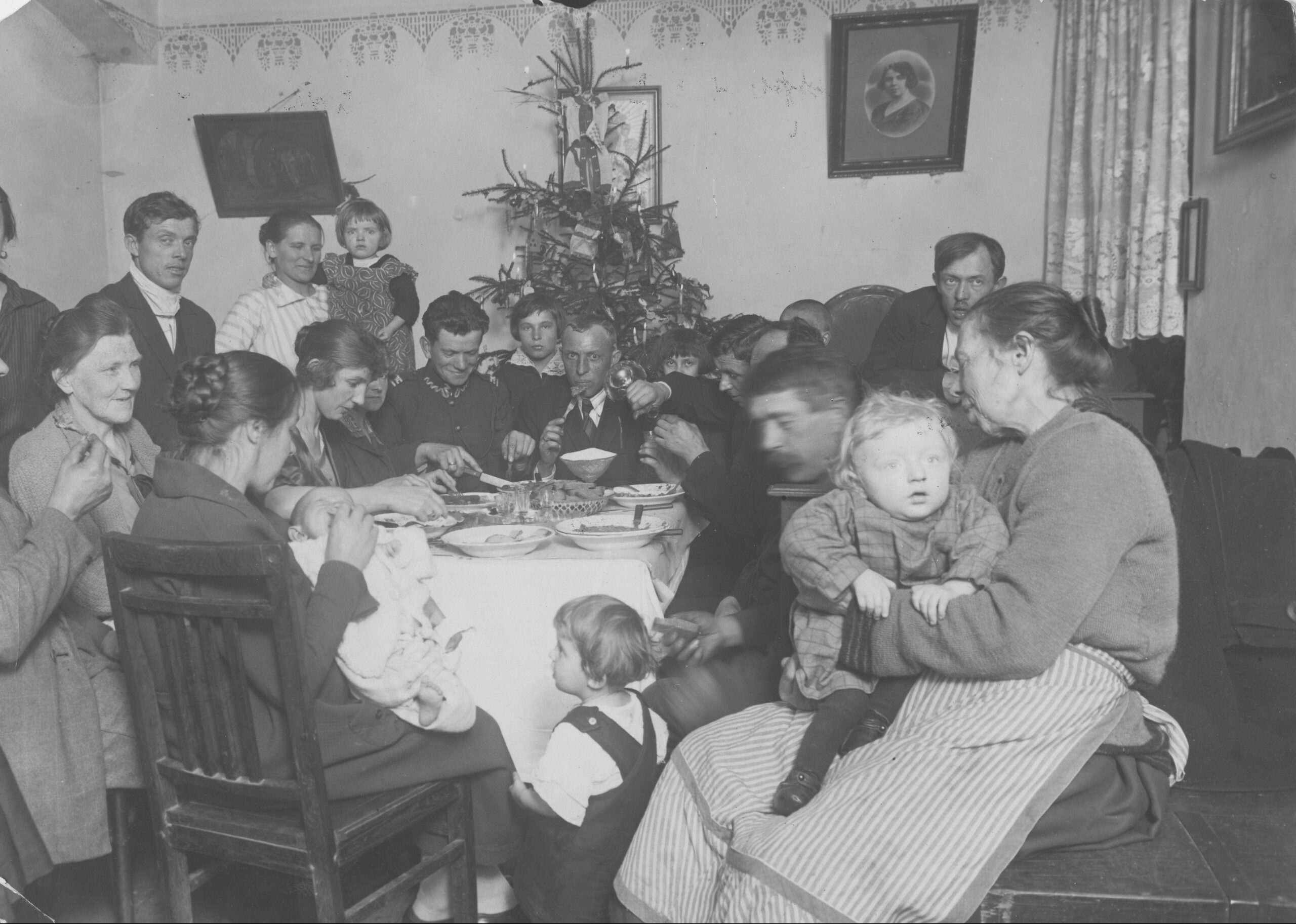
A family crowd around the table on Christmas Eve in Warsaw, 1926 (NAC/public domain)
These traditions also reach beyond the family hearth, with wafers shared in pre-Christmas meetings in other settings and with those unable to be at home.
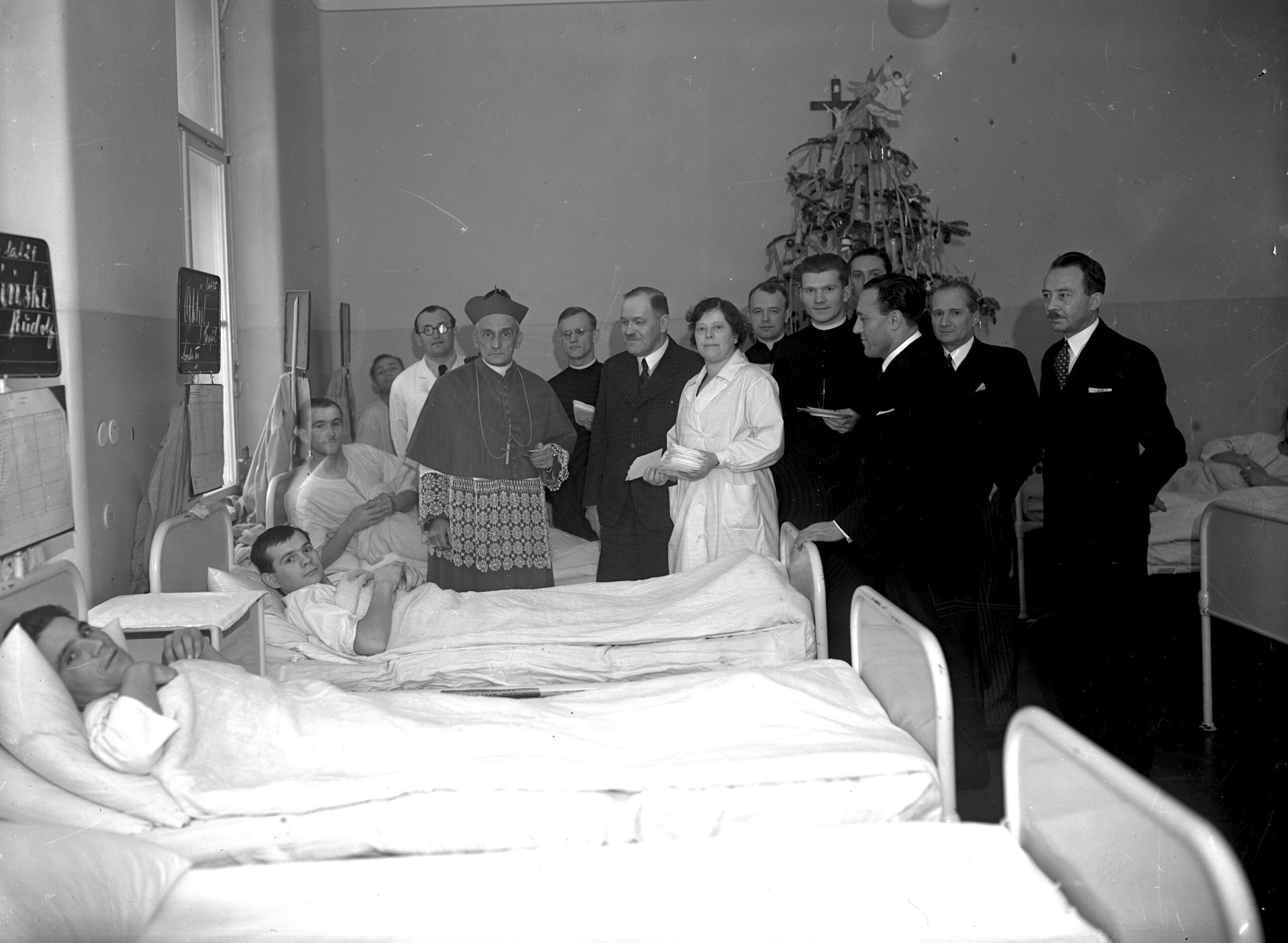
Archbishop of Kraków Adam Sapieha exchanging a Christmas wafer with patients at a hospital in the city, 1937 (NAC/public domain)
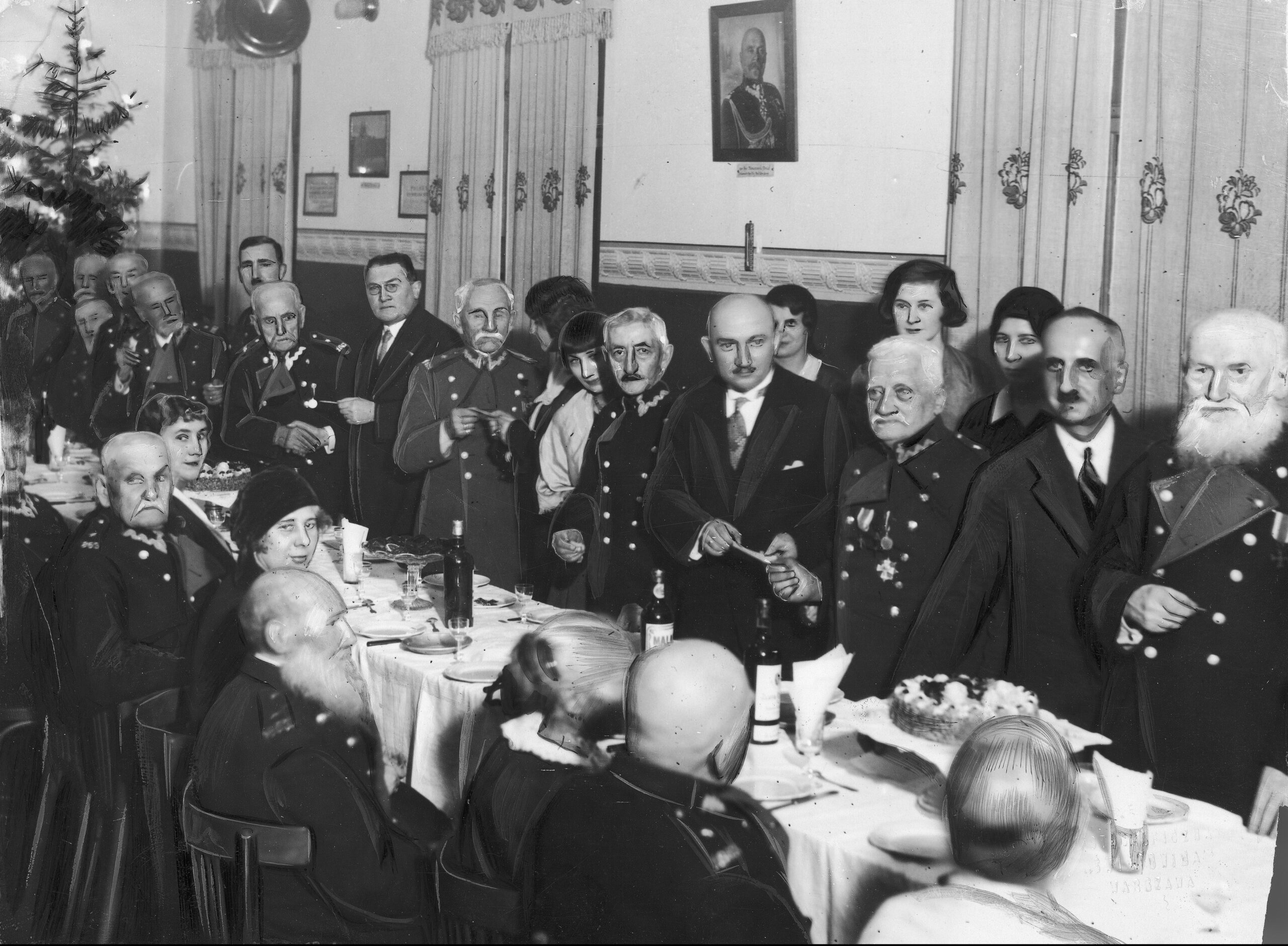
Members of the Friends of Veterans Association exchange a Christmas wafer in Warsaw, 1930 (NAC/public domain)
Santa Claus (also known as Saint Nicolas) has increasingly become associated with Christmas in recent years, although whether he is the one who brings your presents might depend on which part of Poland you grew up in (and many also celebrate his arrival on his saint’s day on 6 December).
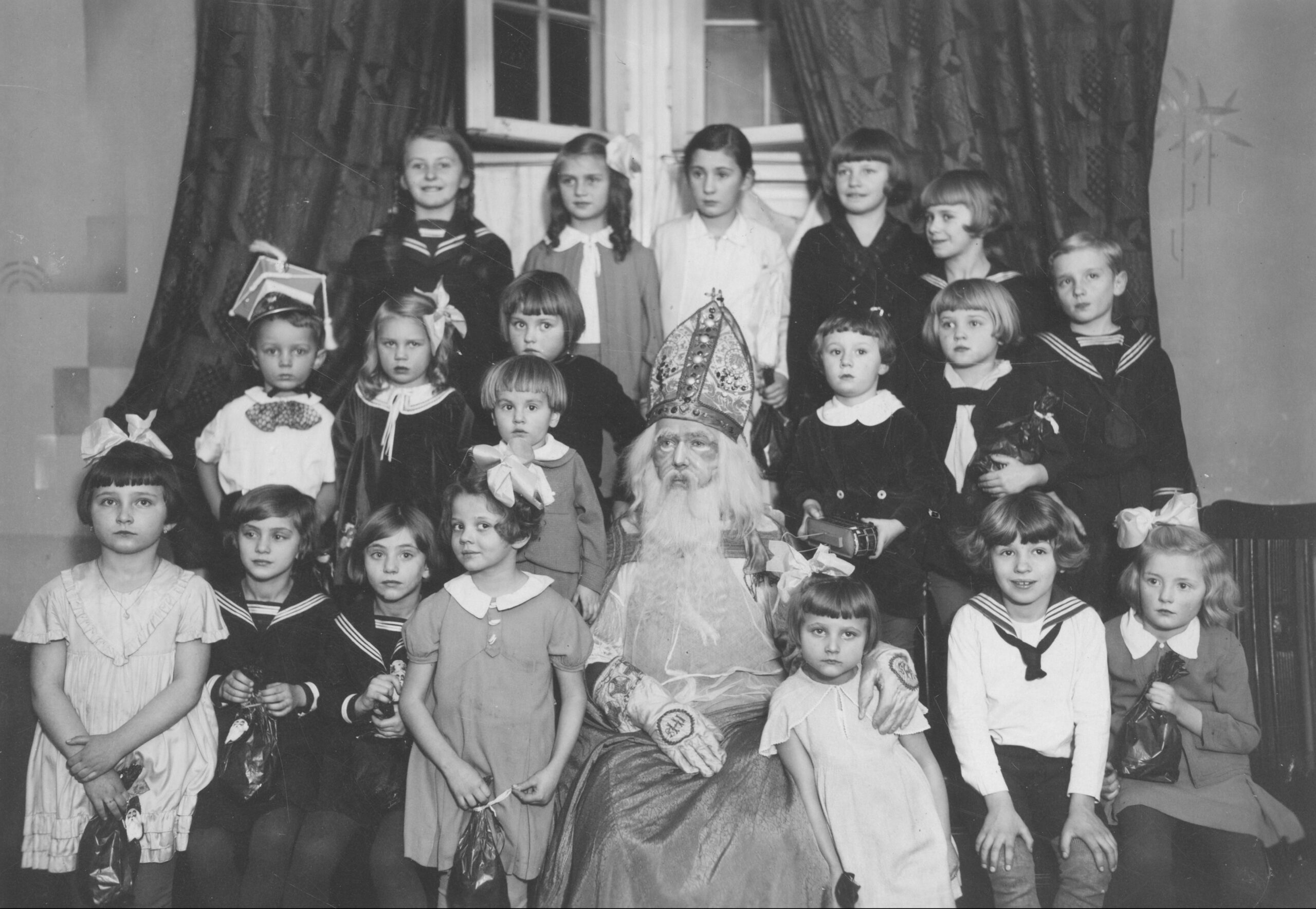
Children with Santa Claus in Katowice, 1934 (NAC/public domain)
Nativity scenes
Nativity scenes, or szopki, are an important part of the festive season in Poland. The city of Kraków has its own tradition, dating back to the 19th century, of ornately decorated, colourful and often several-metre-high scenes incorporating local historical buildings.
An annual competition has been organised since 1937, and in 2018 the tradition was added to the UNESCO Intangible Cultural Heritage of Humanity list.
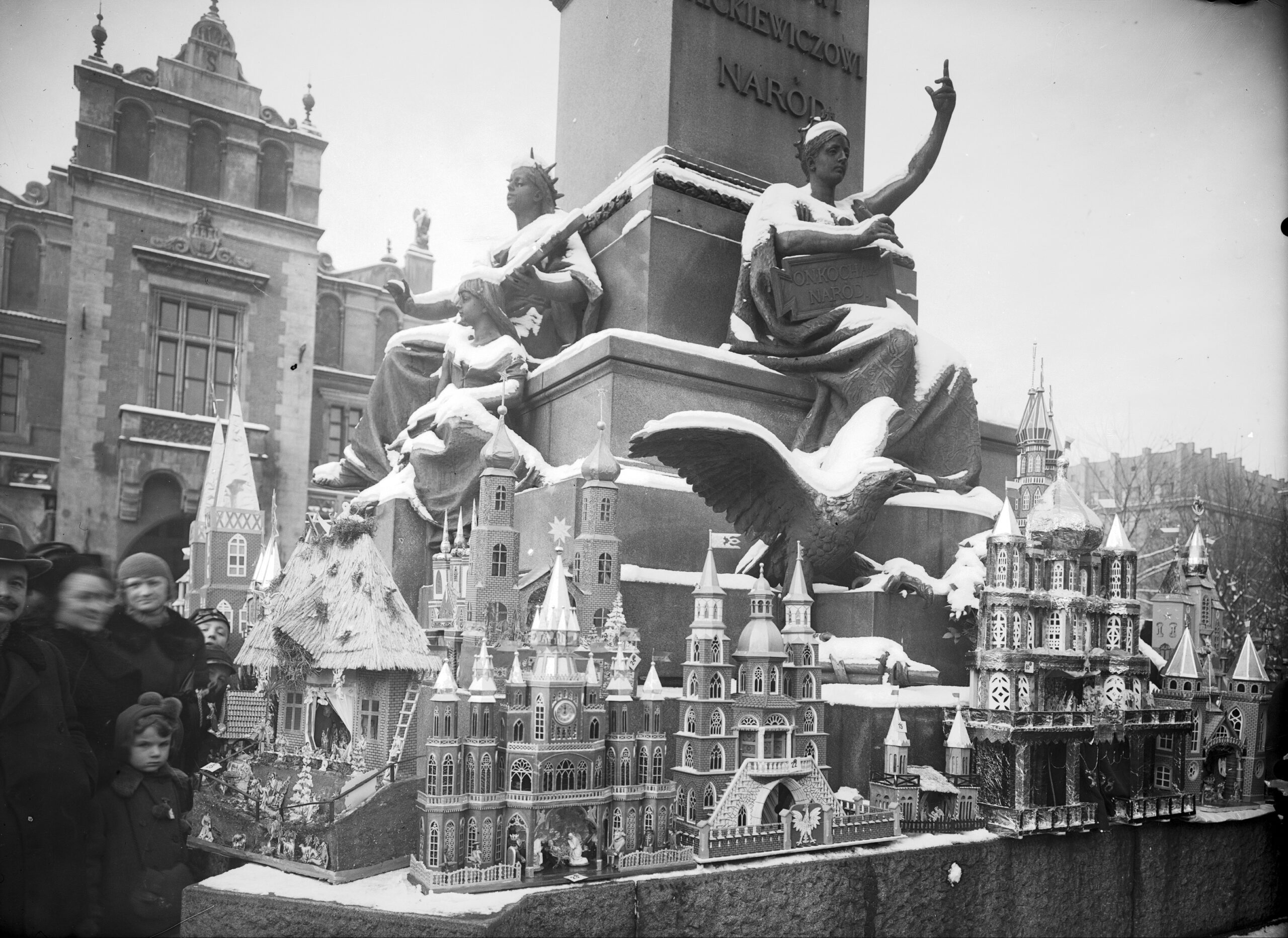
Szopki exhibited at the base of the Adam Mickiewicz monument on Kraków’s Main Market Square during the second edition of the city’s annual nativity scene competition, 1938 (NAC/public domain)
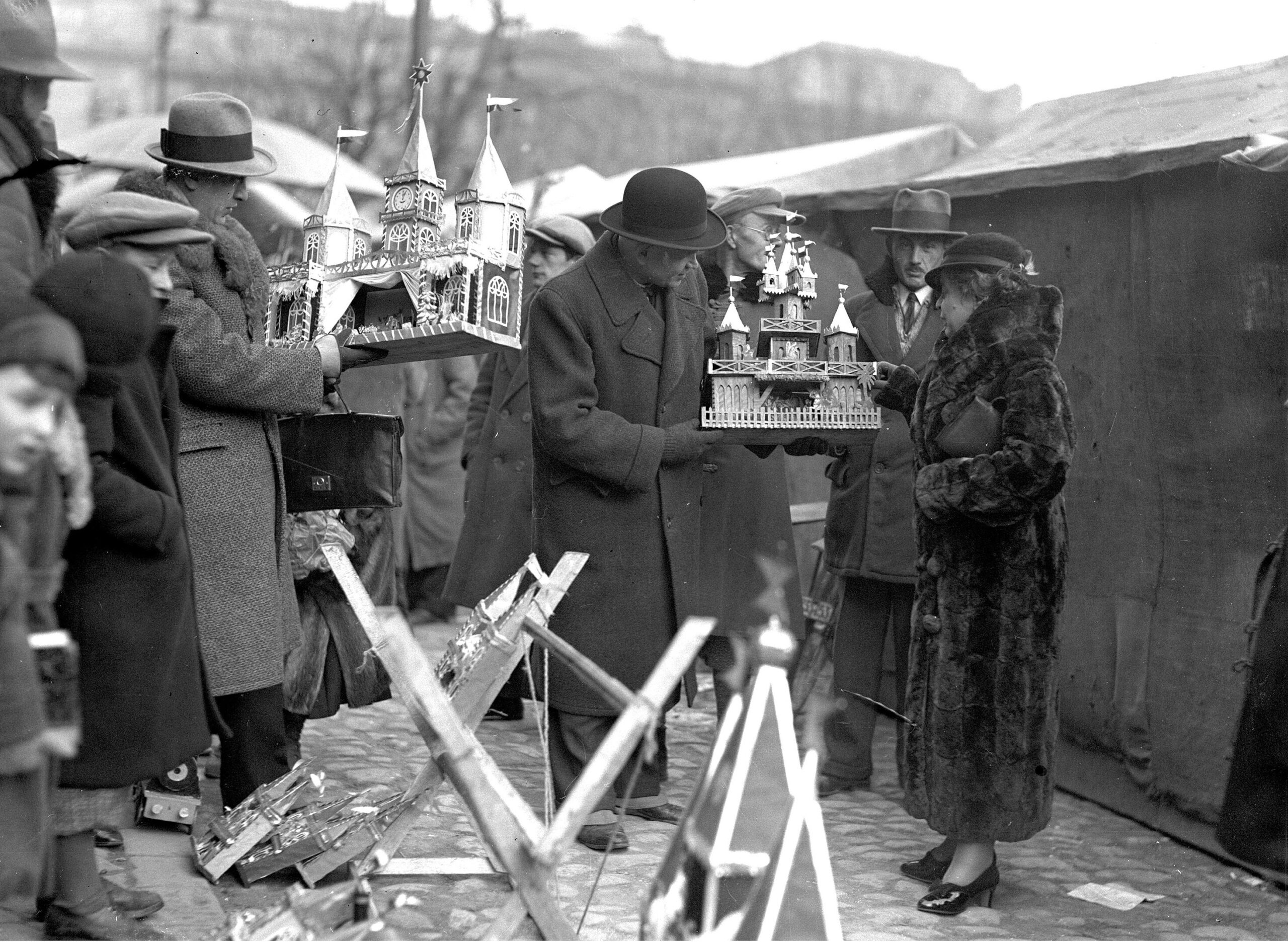
Street vendors of nativity scenes presenting their wares in Kraków, interwar period (Public domain)
Scenes featuring live animals as well as people playing the roles of participants in the nativity are also a common sight.
As well as the familiar story of the birth of Jesus, nativity plays traditionally acted out in various regions often also include the massacre of infants and death of Herod and therefore include Death and demonic characters.
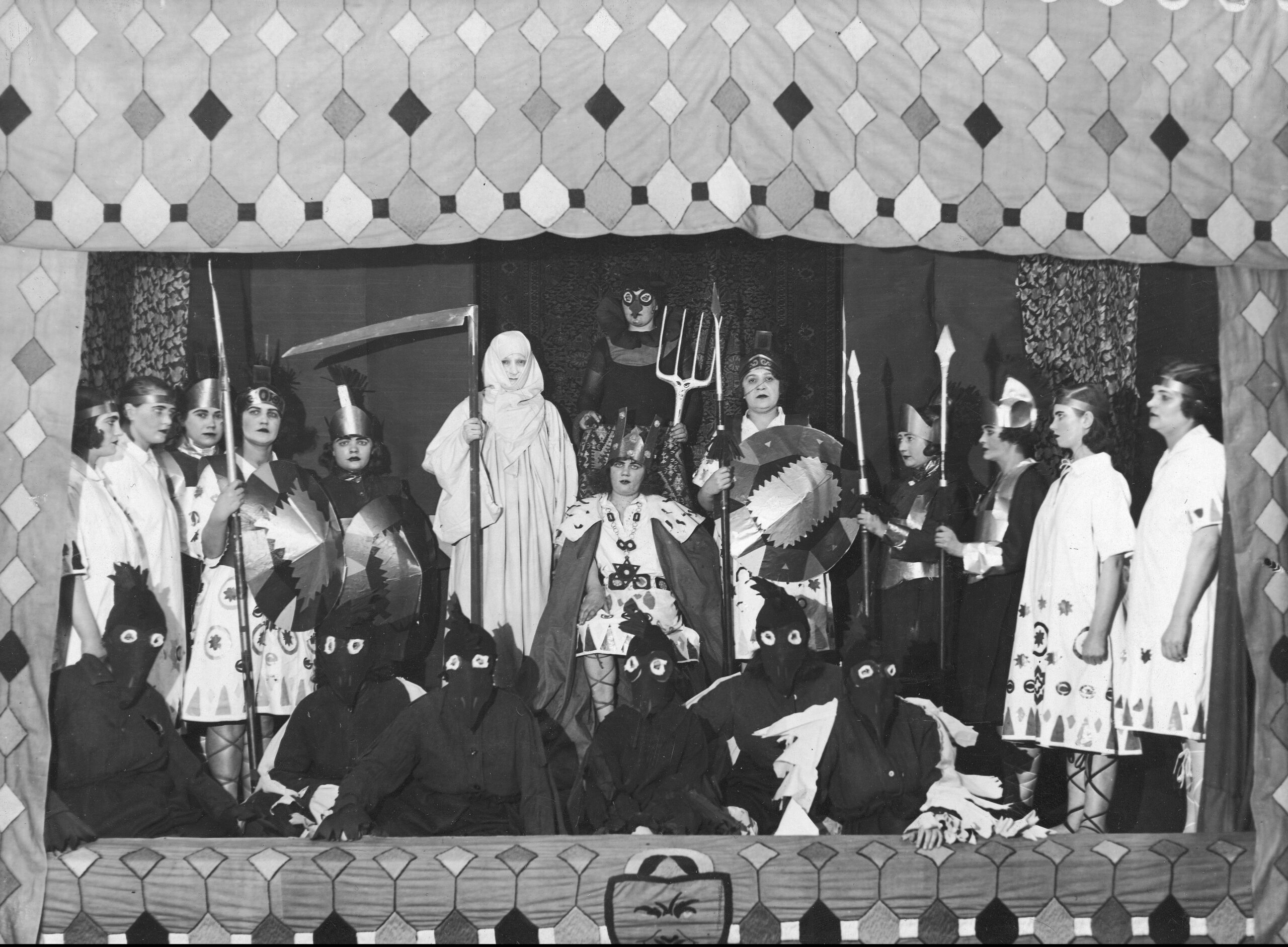
Live nativity scene enacted by female prisoners in Warsaw, 1930
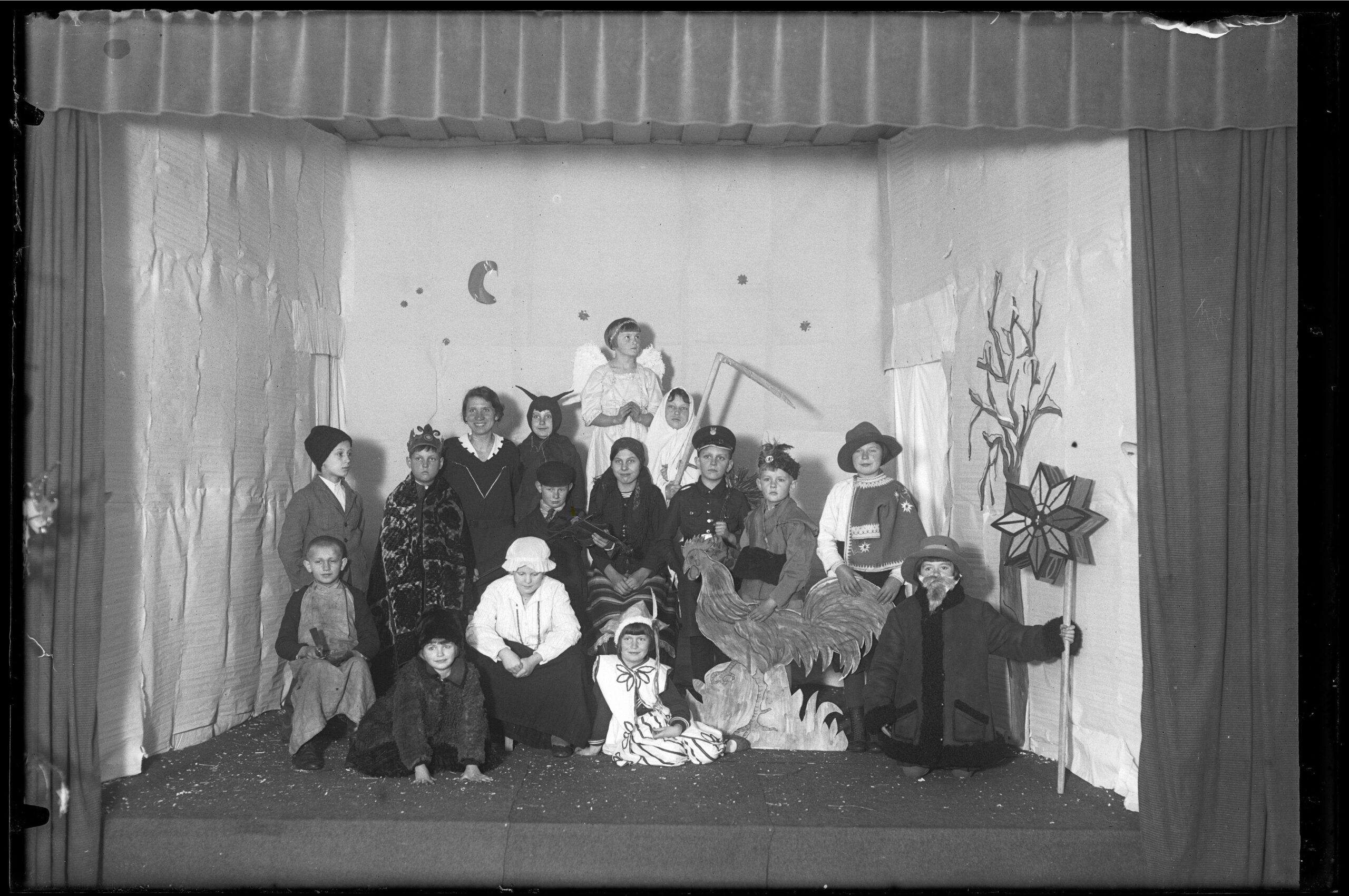
Children dressed as Christmas carollers in a pre-school in Garwolin, 1934 (NAC/public domain)
Carollers
Carols, or kolędy, are plentiful in Poland and, unlike in some other countries, as likely to be sung after Christmas as beforehand – with concerts taking place (and decorations displayed) until Candlemas, 2 February.
Carollers clad in sometimes garish costumes, often deriving from ancient Slavic roots, can still be seen and heard in many parts of the country.
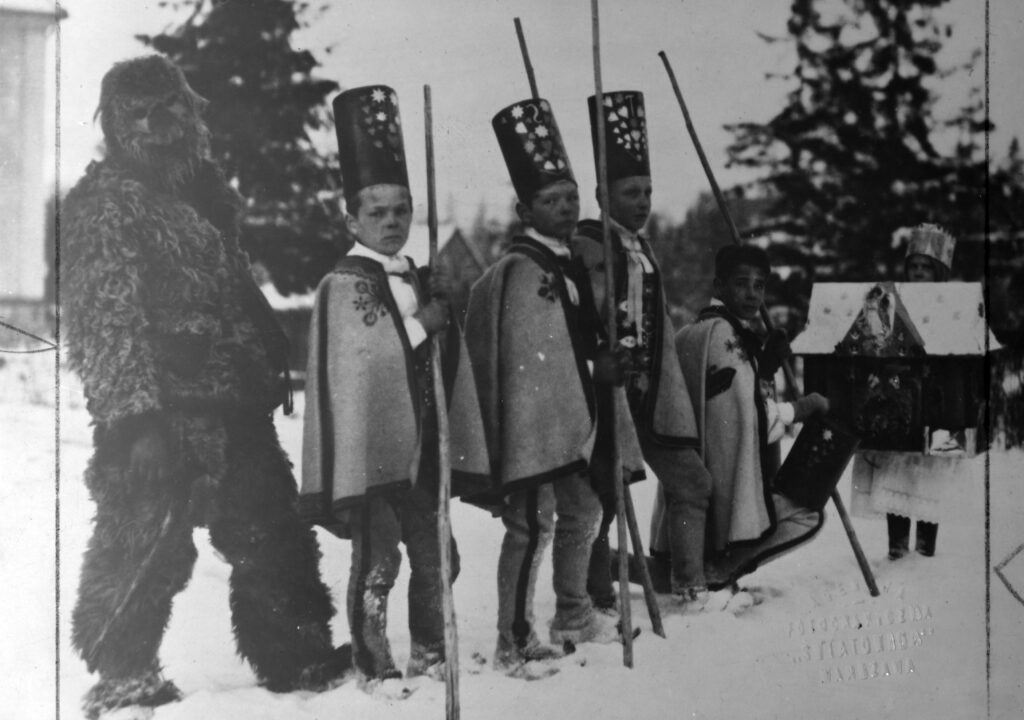
Costumed Christmas carollers from the Podhale highland region, interwar period (NAC/public domain)
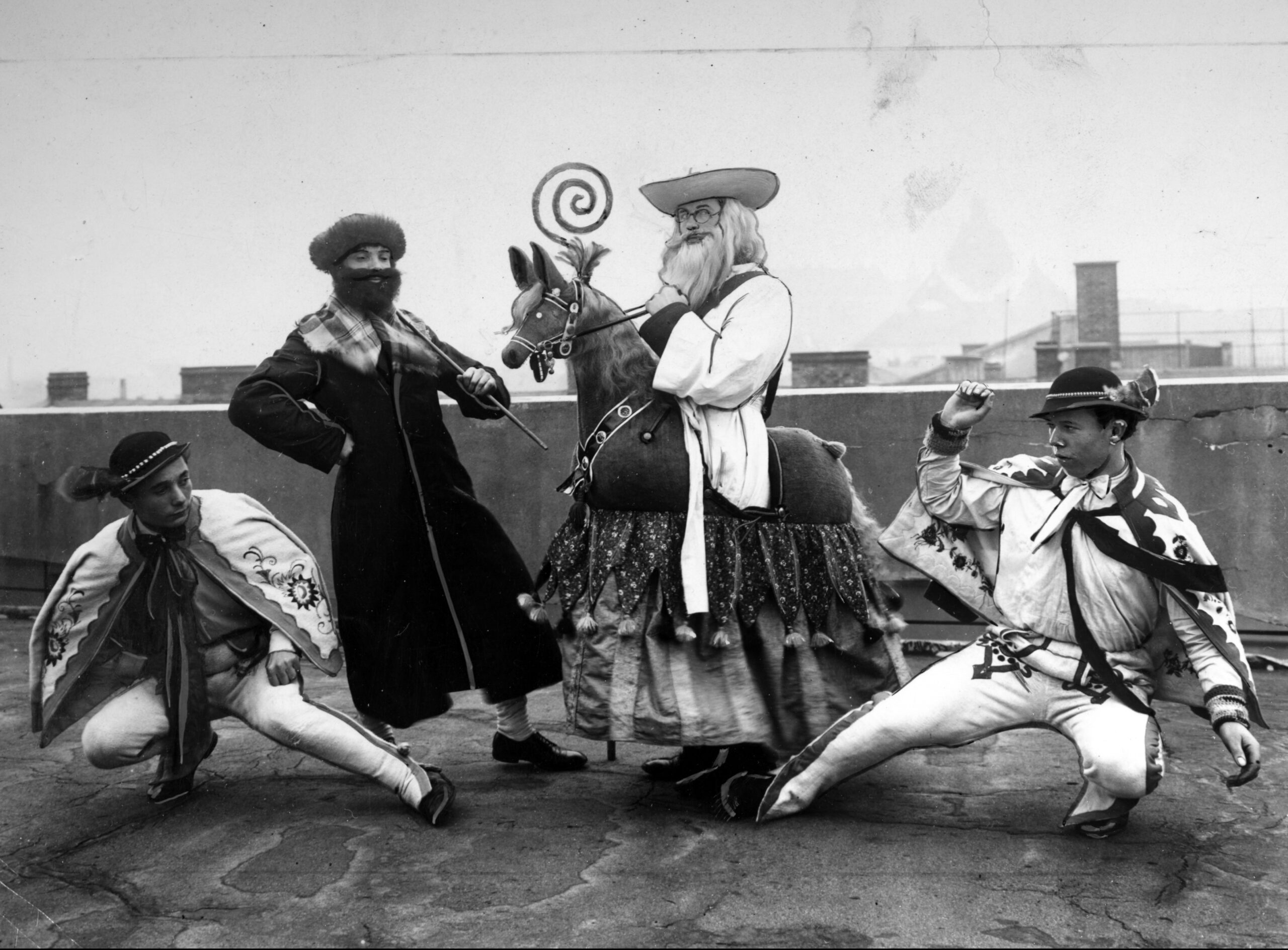
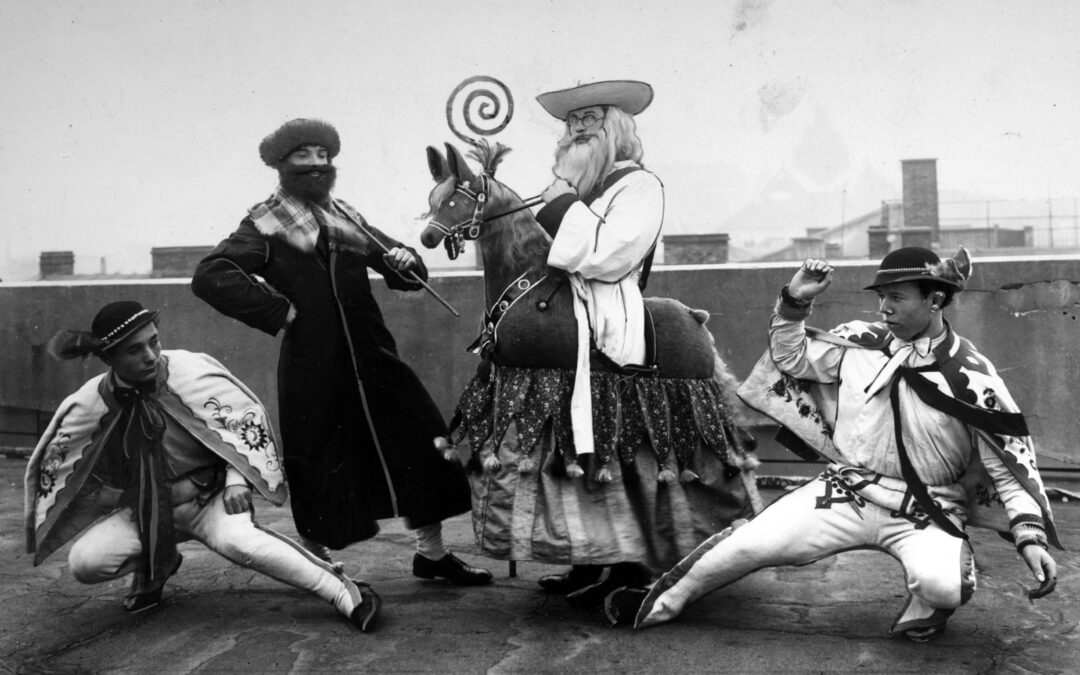
A group of carollers posing on the roof of the Press Palace in Kraków, 1938. Second right is Lajkonik, the bearded man on a hobby horse who is one of the symbols of the city (NAC/public domain)
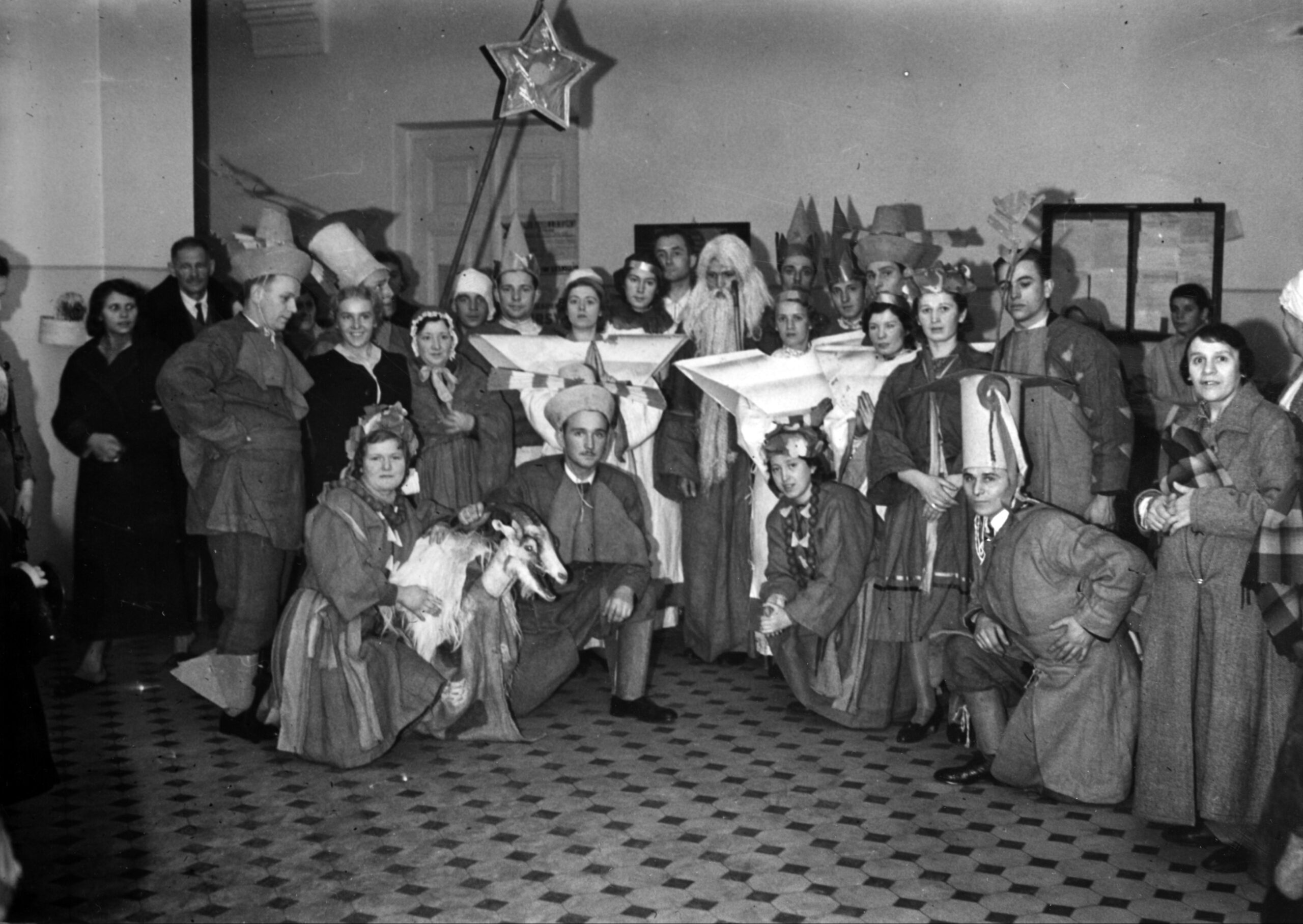
Carollers sent from Warsaw city hall to perform at the Infant Jesus Hospital in Warsaw, 1938 (NAC/public domain)
Some of Poland's Christmas traditions may seem rather unusual to outsiders.
We look at seven of the most interesting festive practices – from keeping fish in the bath and talking to animals, to putting hay under the tablecloth and watching Home Alone https://t.co/KBd6XAZZlp
— Notes from Poland 🇵🇱 (@notesfrompoland) December 18, 2024
Notes from Poland is run by a small editorial team and published by an independent, non-profit foundation that is funded through donations from our readers. We cannot do what we do without your support.
Ben Koschalka is a translator, lecturer, and senior editor at Notes from Poland. Originally from Britain, he has lived in Kraków since 2005.