Keep our news free from ads and paywalls by making a donation to support our work!

Notes from Poland is run by a small editorial team and is published by an independent, non-profit foundation that is funded through donations from our readers. We cannot do what we do without your support.
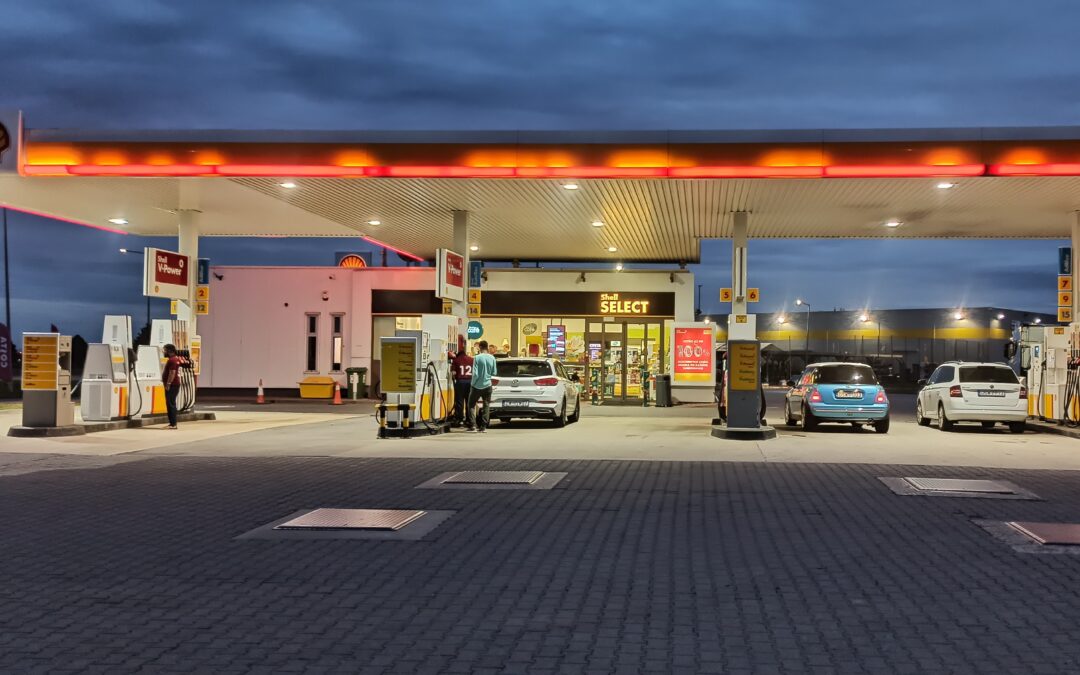
Large numbers of German drivers are crossing into western Poland to buy cheaper fuel at petrol stations amid price rises stemming from the ongoing conflict in the Middle East. In southern Poland, meanwhile, Poles are travelling to Slovakia for the same reason.
Both Polish and German media have reported on growing numbers of cross-border fuel shoppers. On Monday, Poland’s energy minister, Miłosz Motyka, confirmed in an interview with broadcaster RMF that state energy giant Orlen and private firms had noted an increase in customers “from the West.”
He added there was currently no threat to overall national fuel supplies. However, in some Polish municipalities near the German border, local officials are reporting shortages at petrol stations.
One of the places affected is the city of Świnoujście, which sits right alongside the border with Germany in northwestern Poland.
“Since last weekend, petrol stations in Świnoujście have seen a rise in traffic. Most of the customers are German drivers, as fuel costs an average of more than two zloty (€0.46) per litre more on the other side [of the border],” said the city’s mayor, Joanna Agatowska.
The issue is “no longer about the price of petrol, but rather the lack of availability”, she warned, adding that some stations in the city had even temporarily suspended fuel sales.
Agatowska urged stations to limit sales to people filling canisters and called on the authorities to enforce rules limiting how much fuel can be taken across the border.
Shortages have also been reported in the village of Lubieszyn near the city of Szczecin, which is just south of Świnojście. Polsat News reported long queues at one petrol station there last weekend, with many cars having German license plates.
Likewise, the village of Żytowań near the border in western Poland ran out of fuel last Thursday, according to German and Polish media sources.
German broadcaster Deutsche Welle reports that the number of cross-border shoppers may increase further from today, as Orlen introduces new weekend promotions on fuel prices that have been widely reported in German media.
Meanwhile, news website Onet reports that, for the first time in a decade, petrol prices in Slovakia are lower than in Poland, prompting many Polish drivers in southern Poland to cross the Slovakian border in order to fill their tanks.
Słowacja ma tańsze paliwo. Różnica to nawet 1,7 zł za litr. Pierwsza taka sytuacja od lat! https://t.co/YSIgSrlozC #krakow #paliwo #slowacja #cenypaliw #orlen
— Onet Wiadomości (@OnetWiadomosci) March 10, 2026
Global oil and gas prices have surged as Iran launched strikes across the Middle East in response to ongoing attacks by the United States and Israel. The situation has led to a spike in fuel prices at petrol stations across Poland.
However, the government has appealed for calm, saying that Poland is not threatened with fuel shortages. Last week, Prime Minister Donald Tusk accused the right-wing opposition of “trying to destabilise the situation” by claiming the government had failed to secure adequate supplies.
This week, the government announced that it would address supply issues by relaxing restrictions on working hours for tanker drivers, allowing them to make more deliveries.
However, PiS continues to criticise the authorities for failing to do more. On Monday, it submitted a bill to parliament that would reduce VAT and excise tax on fuel in order to help bring down prices for consumers.
PM @donaldtusk has accused the opposition of “attempting to destabilise the situation” in Poland by falsely suggesting the country may suffer energy shortages as a result of the government's inadequate response to the conflict in the Middle East https://t.co/mYJfxCkjRl
— Notes from Poland 🇵🇱 (@notesfrompoland) March 3, 2026
Notes from Poland is run by a small editorial team and published by an independent, non-profit foundation that is funded through donations from our readers. We cannot do what we do without your support.
Main image credit: Aw58/Wikimedia Commons (under CC BY-SA 4.0)

Olivier Sorgho is senior editor at Notes from Poland, covering politics, business and society. He previously worked for Reuters.