Keep our news free from ads and paywalls by making a donation to support our work!

Notes from Poland is run by a small editorial team and is published by an independent, non-profit foundation that is funded through donations from our readers. We cannot do what we do without your support.
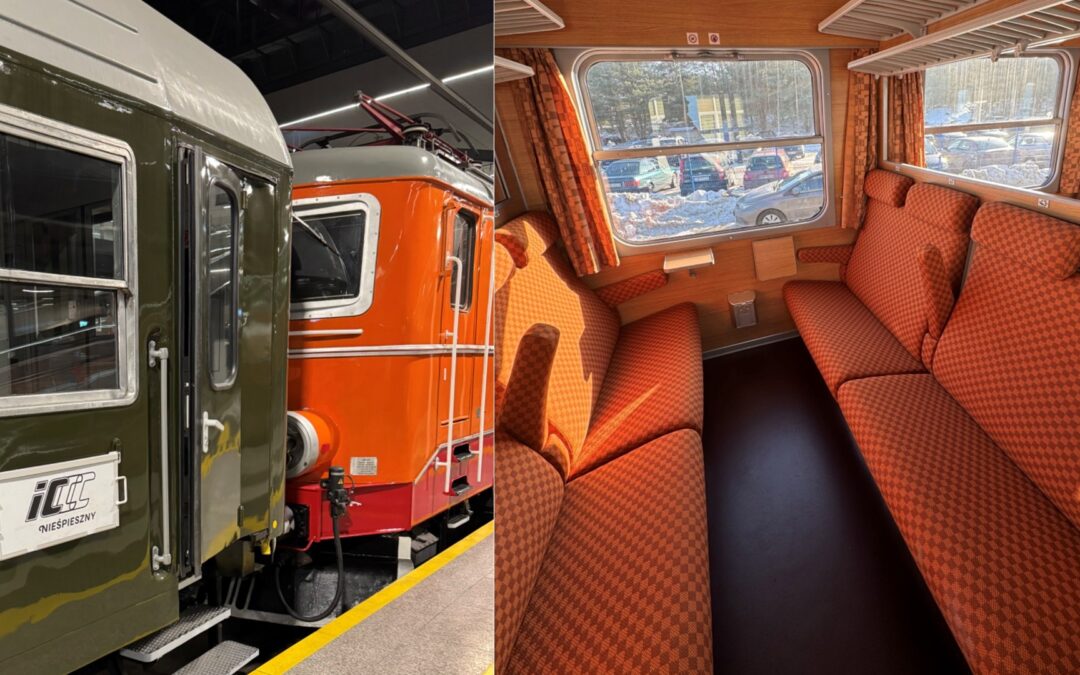
Polish state rail operator PKP Intercity is launching a series of journeys along picturesque routes in restored 1980s trains to celebrate its anniversary and allow passengers to “discover new regions of the country at a leisurely pace”.
The weekend-only service, called “Nieśpieszny” (“Unhurried”), will begin operating on 17 April and will offer 40 journeys across all regions of Poland, with routes changing each week, the company said.
🚆Podróż, w której nie liczy się pośpiech
PKP Intercity uruchamia Nieśpieszny (ICN) – wyjątkowy pociąg inspirowany podróżami z lat 80. Lokomotywa w barwach historycznych, klasyczne wagony i klimat dawnych przejazdów. ✨Pierwszy kurs: 17 kwietnia 2026 r.
Sprzedaż biletów ruszy w… pic.twitter.com/AlCjd2Ja7N— PKP Intercity (@PKPIntercityPDP) March 5, 2026
The service will use historical locomotives and carriages refurbished with original equipment from the 1980s, while also meeting modern-day travel standards, it added.
Each train will consist of olive-coloured first and second-class carriages dating from the 1980s, and historic electric locomotives that were once common on Poland’s rail network.
Catering will be provided in a traditional dining carriage operated by WARS, which has fed Polish train passengers since 1948. The menu will feature dishes typical of Polish cuisine, including bread with lard and pickled cucumber, żurek (a sour rye soup) and bigos (a cabbage and meat stew).
Poland's "Wars" dining cars, founded over 70 years ago, have become an institution.
Once known for rowdy drunken antics, they became a mixing place for all social classes and today are beloved by train buffs for their hearty, freshly made Polish cuisine https://t.co/yyPrd0LUap
— Notes from Poland 🇵🇱 (@notesfrompoland) March 30, 2021
There will be approximately 200 seats available on each route, with tickets made available from the second half of March on the company’s website, mobile app and at railway stations. Dogs, bicycles and luggage will be permitted on board under the operator’s standard regulations.
The new service is a part of events to mark the 25th anniversary of PKP Intercity, which operates long-distance travel in Poland, and a century since the foundation of the original PKP in 1926.
“This anniversary is an opportunity to remind passengers of the atmosphere of bygone journeys and demonstrate how much the railway in Poland has changed over the years,” said Adam Wawrzyniak, a member of PKP Intercity’s management board.
Rail travel in Poland has grown rapidly in recent years, with passenger numbers reaching record levels as operators expand services and modernise fleets.
In November, PKP Intercity signed what it described as the largest rolling stock contract in Poland’s history to help meet rising demand. The following month, the company launched a tender to purchase trains capable of reaching speeds of up to 320 km/h (199 mph), which would be the fastest ever to run on Polish tracks.
Last month, Poland also received the 2026 Rail Champion Award at the European Railway Awards, which are organised annually by rail operators across the continent to recognise political and technical achievements in developing rail transport.
Poland has won the 2026 Rail Champion Award in recognition of its efforts to "drive rail forward as a pillar of European competitiveness and resilience" https://t.co/FRh1JJpvPy
— Notes from Poland 🇵🇱 (@notesfrompoland) February 6, 2026
Notes from Poland is run by a small editorial team and published by an independent, non-profit foundation that is funded through donations from our readers. We cannot do what we do without your support.
Main image credit: PKP Intercity

Alicja Ptak is deputy editor-in-chief of Notes from Poland and a multimedia journalist. She has written for Clean Energy Wire and The Times, and she hosts her own podcast, The Warsaw Wire, on Poland’s economy and energy sector. She previously worked for Reuters.