Keep our news free from ads and paywalls by making a donation to support our work!

Notes from Poland is run by a small editorial team and is published by an independent, non-profit foundation that is funded through donations from our readers. We cannot do what we do without your support.
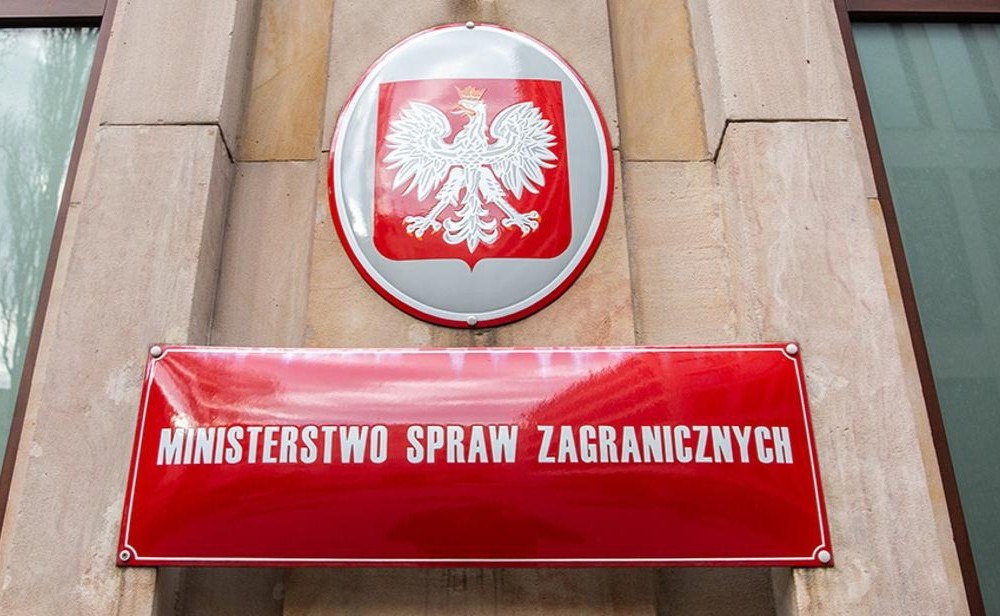
Poland’s foreign ministry has ruled out sending military aircraft to evacuate Polish citizens from the Middle East amid the fallout from US and Israeli attacks on Iran. It says people will be able to return “once it is safe” to do so.
In the meantime, it has advised Poles in the region to “remain calm and ensure their safety”, and has set up a special helpline to provide them with information.
Uruchomiliśmy dodatkową linię informacyjną dla naszych obywateli.
📞 +48 22 523 88 80
Infolinia będzie dostępna w godzinach największego obłożenia linii konsularnych. Dodatkowy numer będzie czynny od 1 marca od godz. 17:00 do 22:00, w kolejne dni od godziny 8:00 do 22:00.… pic.twitter.com/HmrUfMmyYd
— Ministerstwo Spraw Zagranicznych RP 🇵🇱 (@MSZ_RP) March 1, 2026
As early as 19 February, Prime Minister Donald Tusk had urged Poles in Iran to leave the country immediately amid the “very, very real possibility of conflict”.
On 24 February, Poland’s embassy in Tel Aviv warned against travel to Israel, saying that “the security situation in the Middle East is unstable and may deteriorate”, making “return flights impossible or difficult”.
On Saturday, the start of US and Israel’s attacks on Iran, followed by Iranian retaliation, which has included strikes on targets in the United Arab Emirates, Bahrain, Kuwait and Qatar, led to flights being cancelled and airspace closed across much of the region.
That has left some Polish travellers stranded. On Saturday, the foreign ministry said that its online system in which Poles can register stays abroad, called Odyseusz, showed over 200 Poles in Israel, 40 in Lebanon and five in Iran.
However, not all travellers register in the system, and media reports indicate there are also significant numbers of Poles in places such as the UAE and Qatar who have been affected by the shutdown of flights.
On Monday morning, deputy foreign minister Marcin Bosacki told broadcaster TVN that there are likely “several thousand” Polish citizens “in the broader Middle East region, from the Gulf countries to Israel, Lebanon, and Jordan”.
The ministry has confirmed there have been no reports of Poles being harmed by military strikes.
• ✅ Nie ma informacji o poszkodowanych obywatelach 🇵🇱RP w regionie Bliskiego Wschodu.
• ⚠️ W obecnej sytuacji najważniejsze jest zachowanie spokoju i dbanie o własne bezpieczeństwo.
• 🚫 Ponawiamy apel: „nie jedź” NA Bliski Wschód i nie planuj podróży PRZEZ ten region do…— Rzecznik MSZ – Maciej Wewiór (@RzecznikMSZ) March 1, 2026
On Sunday, Poland’s defence minister, Władysław Kosiniak-Kamysz, said that the Polish air force would be able to “immediately implement” any request from the foreign ministry to launch evacuation flights.
However, later in the day, foreign ministry spokesman Maciej Wewiór said that Poland would not do so, just as other countries have chosen not to. Sending aircraft into an area of military conflict would pose serious risks, he said.
“When the war ends, when the missiles and drones stop flying, when it is safe, our citizens will return to Poland,” added Wewiór, quoted by Polsat News.
Poland’s southern neighbour, the Czech Republic, had hoped to send planes to the Middle East to repatriate its citizens. But on Sunday, Prime Minister Andrej Babiš confirmed that “air evacuation via the UAE, Oman and other Middle Eastern countries is currently not possible [because] the airspace is closed”.
However, on Monday, Babiš announced that planes were being sent to Egypt and Jordan, while another would seek to bring back people from Oman, reports Czech Radio.
Podle systému Drozd je v regionu, který ohrožuje konflikt na Blízkém východě, 6 700 Čechů, uvedl premiér Andrej Babiš. ČR vypraví repatriační lety do Egypta i Ammánu, některé lety zajišťuje společnost Smartwings pro své klienty, dodal Babiš. pic.twitter.com/5YKfbK7ZHK
— ČT24 (@CT24zive) March 2, 2026
Wewiór says that the Polish foreign ministry and its diplomats are “doing everything possible to help our citizens locally”, but he noted that it would primarily be up to travel agencies and airlines to arrange their return once airspaces reopen.
To provide information to those affected, on Sunday the ministry launched a hotline, available by calling +48 22 523 88 80 between 8 a.m. and 10 p.m. Polish time. Individual embassies in affected countries also have 24-hour emergency telephone lines.
The foreign ministry also reminded Poles to register in the Odyseusz system to ensure that the authorities are aware of their presence in the region and can provide them with information and support.
"Jak przyznała, od razu zarejestrowała się w systemie "Odyseusz". – Nigdy wcześniej tego nie robiłam, ale to jest nauczka na przyszłość, by takich rzeczy nie lekceważyć. Od razu dostałam bieżące informacje z Ministerstwa Spraw Zagranicznych. Jesteśmy też w kontakcie z ambasadorem… https://t.co/pqMpMyGFHA
— Rzecznik MSZ – Maciej Wewiór (@RzecznikMSZ) March 1, 2026
In a statement on the outbreak of a new conflict in the Middle East, the Polish foreign ministry called on “all parties to exercise restraint, respect international law and protect civilians”.
It also said that “Iranian society, recently hit hard by political repression due to protests, deserves freedom, peace, stability and prosperity”.
Meanwhile, Polish President Karol Nawrocki, who is an opponent of the government and an ally of Donald Trump, wrote on Monday morning that his “thoughts and prayers are with” the three US military personnel who have died in the conflict so far.
“Before our eyes, the menacing Iranian regime – which armed Russia in its aggression against Ukraine and threatened other states in the Middle East – is being dismantled,” wrote Nawrocki. “The coming days will be a time of major resolutions in this region. We stand together with our Allies!”
Stany Zjednoczone – największy sojusznik Rzeczypospolitej Polskiej – straciły dziś trzech swoich synów w ataku odwetowym przeprowadzonym przez Iran. Kilku innych odniosło obrażenia. Myślami i modlitwą jesteśmy z nimi oraz ich rodzinami.
Na naszych oczach upada groźny reżim…— Karol Nawrocki (@NawrockiKn) March 1, 2026
Notes from Poland is run by a small editorial team and published by an independent, non-profit foundation that is funded through donations from our readers. We cannot do what we do without your support.
Main image credit: MSZ (under CC BY-SA 4.0)

Daniel Tilles is editor-in-chief of Notes from Poland. He has written on Polish affairs for a wide range of publications, including Foreign Policy, POLITICO Europe, EUobserver and Dziennik Gazeta Prawna.