Keep our news free from ads and paywalls by making a donation to support our work!

Notes from Poland is run by a small editorial team and is published by an independent, non-profit foundation that is funded through donations from our readers. We cannot do what we do without your support.
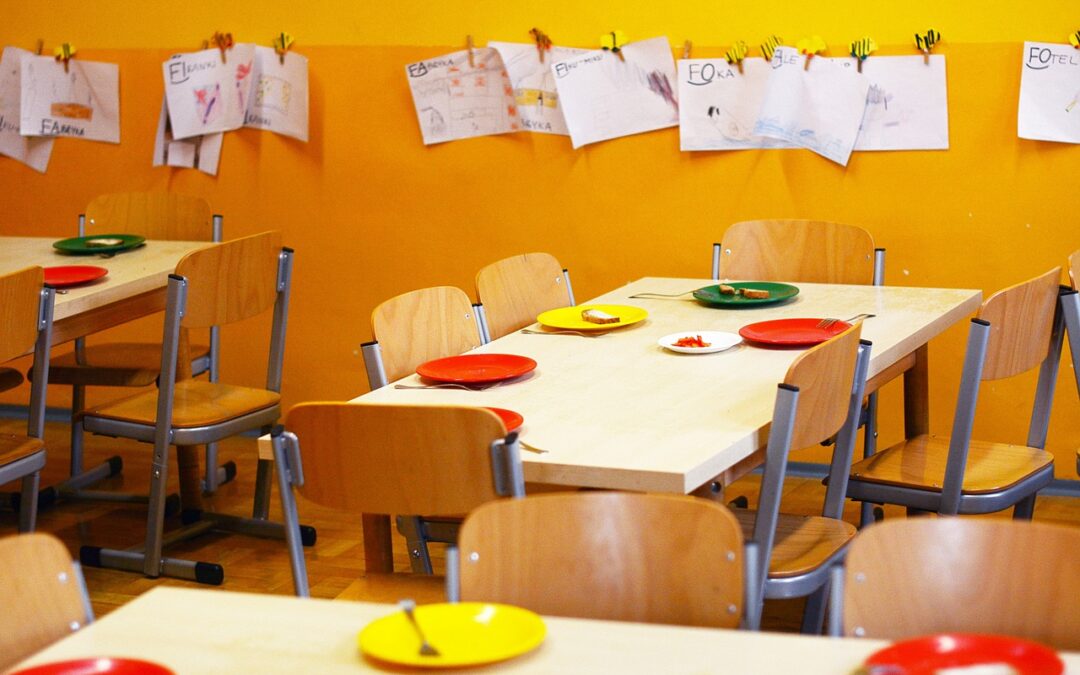
Poland’s government has introduced requirements for public schools and preschools to serve healthier and more varied food to pupils, including offering plant-based options at each meal.
The new rules, which go into force at the start of the next academic year on 1 September, will also require schools to serve fried food no more than twice a week, cook using seasonal and local products, and include fruit or vegetables in meals.
In Poland, the lunchtime or early-afternoon meal, known as obiad, is traditionally the main meal of the day. It frequently comprises soup followed by a meat-based main dish, with fish or flour-based food, such as pancakes or pierogi, being common on Fridays.
But the current rules regulating such meals in schools, introduced in 2016, are now set for a shakeup under a decree issued by the health ministry following a series of consultations. It will affect more than 6.8 million pupils in almost 36,000 public schools and preschools (although not all children eat school lunches).
From 1 September, meat should be served only twice weekly and fish at least once. In each case, for people who do not consume animal products, an alternative plant-based dish, particularly based on legumes (such as beans, chickpeas or lentils) should be offered.
Furthermore, a legume-based dish “without the addition of animal-based products” should be served for obiad to all pupils at least once a week.
The decree also limits the number of fried dishes per week to two, instructs schools to prepare soup using vegetable broth (Polish soups often use a meat base) at least twice a week, and restricts the amounts of sugars, fat and salt in products that can be served to pupils.
Lunches should provide pupils with between 20% (for a main course) and 30% (for two courses) of their daily energy requirements, based on their age group. Further criteria are specified for institutions serving additional meals beyond obiad, such as preschools.
The new rules represent a significant change in Polish schools, where pupils and parents often complain about a lack of healthy as well as non-meat options.
According to a report for Green REV Institute, a pressure group, almost 79% of meals served in schools in the Masovian province, where Warsaw is situated, are meat-based, while just 2.5% of schools offer plant-based meals and only 0.28% offer a complete vegan diet.
Consumption of meat is falling in Poland while sales of vegetarian replacement products have grown 480% in three years, new data show https://t.co/oMxEPCk9xj
— Notes from Poland 🇵🇱 (@notesfrompoland) September 27, 2021
The initial version of the decree, drawn up last year, also included a proposal to ban the sale of coffee in schools.
However, that was abandoned after claims that it would be harmful to the vending machine industry and would not prevent students from buying coffee outside school, reports TVN24.
But health minister Jolanta Sobierańska-Grenda told Radio ZET that the ministry would renew efforts to prohibit the sale of coffee in schools.
“I’m absolutely not in favour of caffeine consumption taking place in schools,” she said, stressing that children’s health was more important than the views of lobbyists.
Polish cuisine has a reputation for being meat heavy, with its kiełbasa sausages, pork cutlets and smalec lard spread.
Yet Poland has a rich culinary and ideological vegetarian tradition, writes Natalia Mętrak-Ruda https://t.co/O8O7QKy1xH
— Notes from Poland 🇵🇱 (@notesfrompoland) October 19, 2024
Notes from Poland is run by a small editorial team and published by an independent, non-profit foundation that is funded through donations from our readers. We cannot do what we do without your support.
Main image credit: Katrina_S/Pixabay
Ben Koschalka is a translator, lecturer, and senior editor at Notes from Poland. Originally from Britain, he has lived in Kraków since 2005.