Keep our news free from ads and paywalls by making a donation to support our work!

Notes from Poland is run by a small editorial team and is published by an independent, non-profit foundation that is funded through donations from our readers. We cannot do what we do without your support.
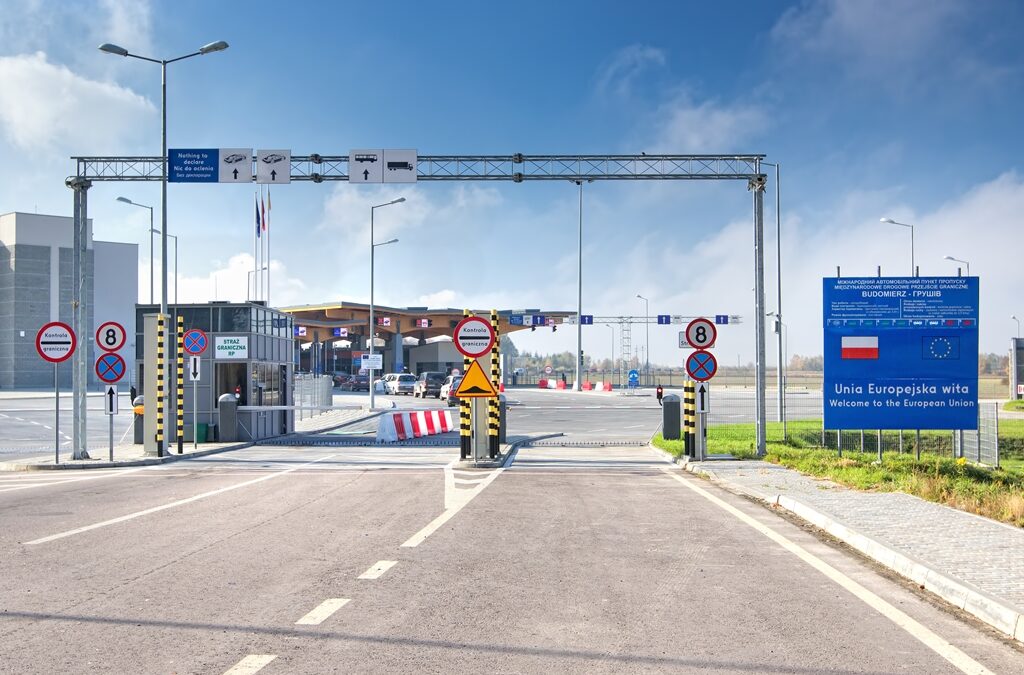
Poland has signed an agreement for a new anti-drone system that it claims will be the first of its kind in Europe. The network is intended to protect Poland’s eastern borders, where, in September last year, around 20 Russian drones entered Polish airspace in an unprecedented incursion.
“We are creating an unprecedented, state-of-the-art system,” declared Prime Minister Donald Tusk at today’s signing ceremony. “There is no other example in Europe today of this kind of integrated, intelligent anti-drone system.”
He noted that the impetus behind its development had been the “nightmare” incursion of Russian drones. While some of these were shot down with expensive air-to-air missiles, others were not stopped before hitting Polish territory.
The new anti-drone system, known as SAN, will provide a “more effective, cost-efficient and intelligent” way of defending from such threats, said Tusk.
💬 Premier @donaldtusk 👇
SAN to jest także metoda na to, aby w sposób zdecydowanie bardziej efektywny, tańszy, mądrzejszy reagować na różnego typu agresje w powietrzu.#SystemAntydronowySAN pic.twitter.com/36tHzloE1p— Kancelaria Premiera (@PremierRP) January 30, 2026
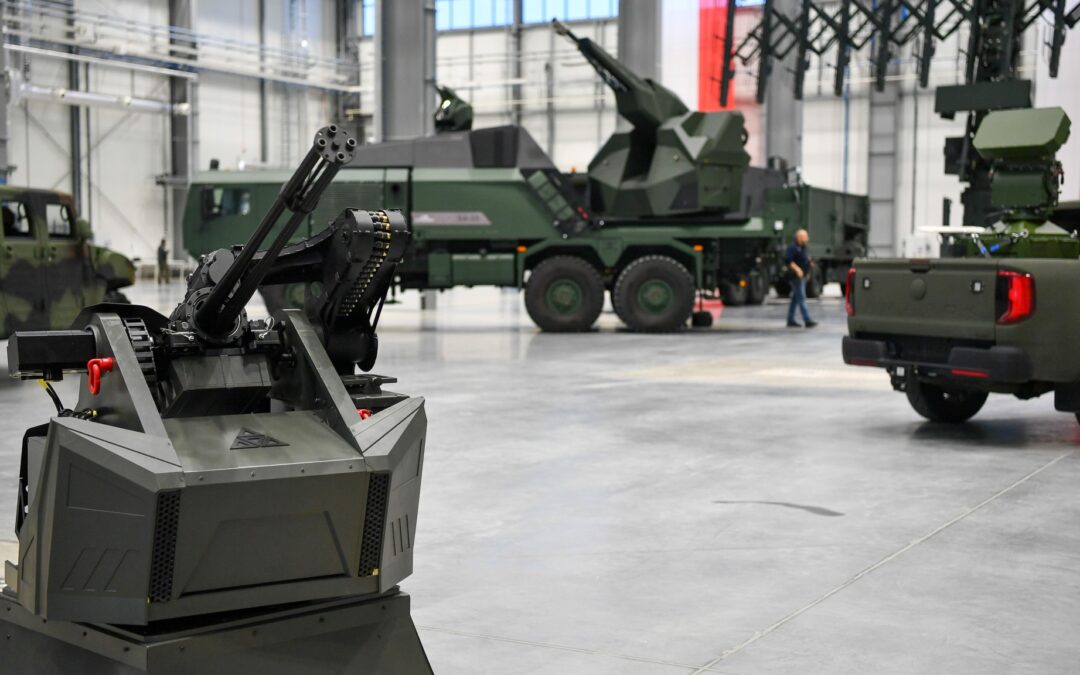
SAN will be supplied by a consortium of Polish state defence holding company Polska Grupa Zbrojeniowa, private Polish firm Advanced Protection Systems, and Norway’s Kongsberg Defence & Aerospace. It will consist of an array of interconnected systems to detect and destroy unmanned aerial vehicles.
“We’re talking about 18 anti-drone batteries, 52 fire teams, 18 command teams and 703 vehicles,” said defence minister Władysław Kosiniak-Kamysz. “All of this means we’ll be extremely effective in countering threats coming from the east.”
SAN is intended to add a fourth layer to Poland’s air defences, alongside three existing programmes: WISŁA, which offers medium-range defence; NAREW, which operates at short range; and the very-short-range PILICA+.
While Poland has embarked on an unprecedented defence spending spree in recent years, some analysts have warned that its focus on traditional hardware was potentially leaving the country unprepared for modern forms of warfare that rely on the mass use of cheap drones.
🛡️ To już oficjalnie: @PGZ_pl liderem konsorcjum TARCZY ANTYDRONOWEJ! 🛡️
Umowy na dostawę przeciwlotniczych zestawów #SAN zostały podpisane. Będą one chroniły wschodnią granicę RP przed bezzałogowymi systemami powietrznymi.
🔷 Przedmiotem umowy jest 18 modułów bateryjnych… pic.twitter.com/mkUD0yGGFz
— Polska Grupa Zbrojeniowa🇵🇱 (@PGZ_pl) January 30, 2026
The cost of the latest deal has not been specified, but Kosiniak-Kamysz announced that it was “several billion zloty”. Gazeta Wyborcza, a leading newspaper, reports the figure as 15 billion zloty (€3.6 billion) and says that delivery is scheduled for 2027.
The money will partly come from the European Union’s SAFE instrument, which provides EU-backed loans to help member states boost defence spending.
Poland has been earmarked as the largest single recipient of SAFE funds, with almost €44 billion of the €150 billion total. Earlier this week, the European Commission approved Poland’s request for the funds, and the decision is due to receive final approval from the EU Council in February.
“Poland bears the responsibility, expenses and organisation of protecting the Polish, European and NATO borders, but we cannot and will not be left alone,” said Tusk today.
“The SAN programme is an example of this. The resources that will be used to build this programme include European funds, unprecedented in their scale and ease of acquisition.”
Tusk also hailed the fact that Poland would be working with a Norwegian partner on the project, following yesterday’s announcement that Norway will be buying rocket artillery missiles produced in Poland.
“We not only appreciate the extraordinary competence of our Norwegian partners, but this is also part of the new security architecture that Poland initiated nearly two years ago,” said the Polish prime minister, whose government has sought closer defence and energy ties with Baltic and Nordic countries.
Poland will manufacture the missiles for rocket artillery systems that Norway is buying from South Korea.
The Norwegian government says that Polish production "will strengthen security of supply for Norway and other European customers of the system" https://t.co/NIJj7owK45
— Notes from Poland 🇵🇱 (@notesfrompoland) January 29, 2026
However, today’s announcement was criticised by Mariusz Błaszczak, who served as defence minister in Poland’s former Law and Justice (PiS) government and is now the head of the parliamentary caucus of PiS, which is the largest opposition party.
“Although the agreement is presented as a success for the Polish defence industry, its main beneficiaries are foreign entities offering solutions that compete with those produced in Poland,” wrote Błaszczak on social media.
“The current leadership of the [defence] ministry first completely ignored the threat posed by Russian drones violating Polish airspace. It took what was almost a tragedy for them to start doing anything at all. However, the hastily prepared programme was based on foreign solutions.”
However, deputy defence minister Cezary Tomczyk subsequently announced that 60% of the costs of SAN – which he confirmed at 15 billion zloty – would be spent within the Polish defence industry.
Ujawnione szczegóły zawieranego przez @MON_GOV_PL kontraktu na system SAN potwierdzają obawy związane z wydatkowaniem środków z programu SAFE. Choć umowa jest przedstawiana jako sukces polskiego przemysłu obronnego to jej głównym beneficjentem są podmioty zagraniczne, które…
— Mariusz Błaszczak (@mblaszczak) January 30, 2026
Notes from Poland is run by a small editorial team and published by an independent, non-profit foundation that is funded through donations from our readers. We cannot do what we do without your support.
Main image credit: MON/X

Daniel Tilles is editor-in-chief of Notes from Poland. He has written on Polish affairs for a wide range of publications, including Foreign Policy, POLITICO Europe, EUobserver and Dziennik Gazeta Prawna.