Keep our news free from ads and paywalls by making a donation to support our work!

Notes from Poland is run by a small editorial team and is published by an independent, non-profit foundation that is funded through donations from our readers. We cannot do what we do without your support.
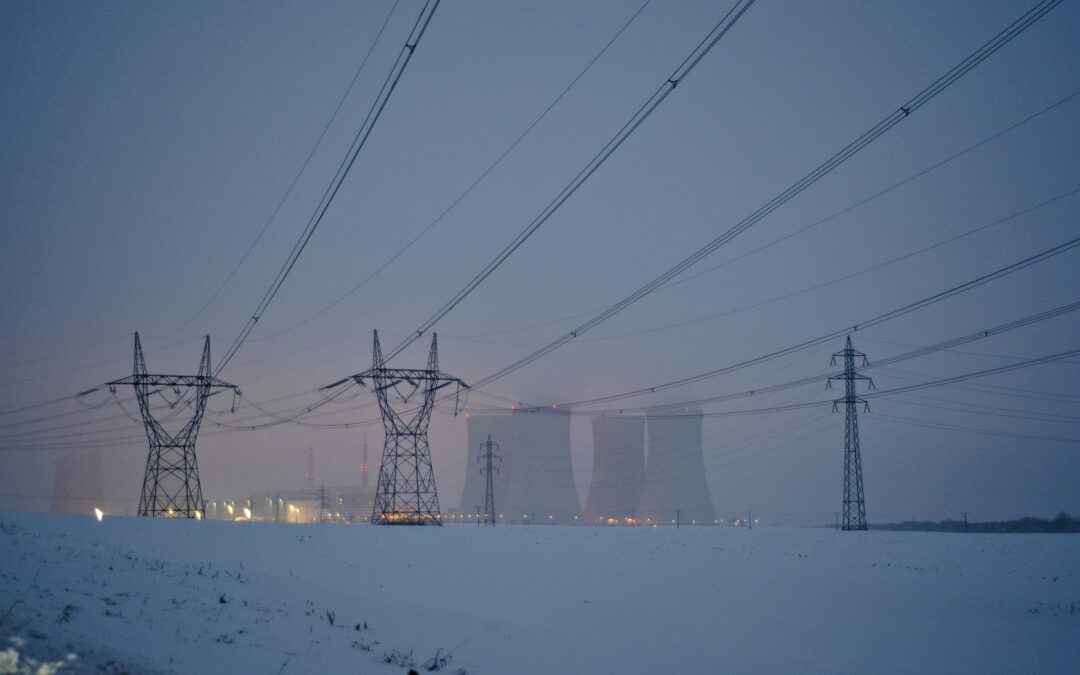
Poland has set a new record for electricity generation, passing 30 gigawatts (GW) for the first time, even as the country exported 2.3 GW of power. Around three quarters of the output came from fossil fuels, including almost 60% from coal.
The milestone came days after demand also hit a record 29.2 GW gross on 9 January, as temperatures in some regions dropped well below -10 degrees Celsius, sharply increasing heating and electricity use. The country also logged record gas consumption this month.
Energy minister Miłosz Motyka said the generation record showed the system could meet domestic demand while supporting neighbouring markets and maintaining what he described as a “solid reserve”.
Kilka dni temu notowaliśmy rekord zapotrzebowania na moc – 29,2 GW brutto. Dziś po raz pierwszy w historii krajowa generacja przekroczyła 30 GW mocy. Co istotne, przy eksporcie blisko 2,5 GW. To dowód na to, jak nasz system energetyczny działa stabilnie i nadąża za rosnącymi…
— Miłosz Motyka (@motykamilosz) January 14, 2026
State operator Polish Power Grid (PSE) reported that total gross generation on 14 January reached 30.5 GW. After accounting for power used by plants themselves and auxiliary systems, net generation – a key metric – stood at 28.9 GW.
Coal-fired plants supplied 59.9% of the output, gas contributed 13.9%, and renewables – including wind, solar and hydropower – made up 21.2%. PSE said net customer demand reached 26.6 GW that day, while electricity exports approached 2.3 GW.
Compared with annual electricity production, the share of coal was slightly higher – Poland generated 52.2% of its electricity from coal in 2025, by far the highest figure in the EU – while the share of gas was close to last year’s annual figure of 13.2%.
The share of renewables was lower than 29.4% recoded last year, mainly due to reduced solar output during a period of low sunlight.
PSE told Notes from Poland that, more important than the generation peak, was the fact that the system operated smoothly despite record demand, with no threat of a blackout.
“In the past, during severe freezes, we had to import electricity, and now we are becoming an energy exporter. This shows the stability of the system,” said Aleksandra Dziadykiewicz from PSE’s press office.
The energy minister echoed this sentiment. “This is proof of how our energy system operates stably and keeps up with growing needs – with a solid reserve,” Motyka wrote on X.
The news comes days after the Polish government revealed that the country’s power grid was the target of a major cyberattack at the end of December and came “very close to a blackout”. It says that Russia was most likely behind the incident.
Poland suffered a major cyberattack on its power grid at the end of December and "came very close to a blackout”, the government has revealed.
“Everything points to Russian sabotage," says the digital affairs minister https://t.co/5FznlYfQww
— Notes from Poland 🇵🇱 (@notesfrompoland) January 14, 2026
Notes from Poland is run by a small editorial team and published by an independent, non-profit foundation that is funded through donations from our readers. We cannot do what we do without your support.
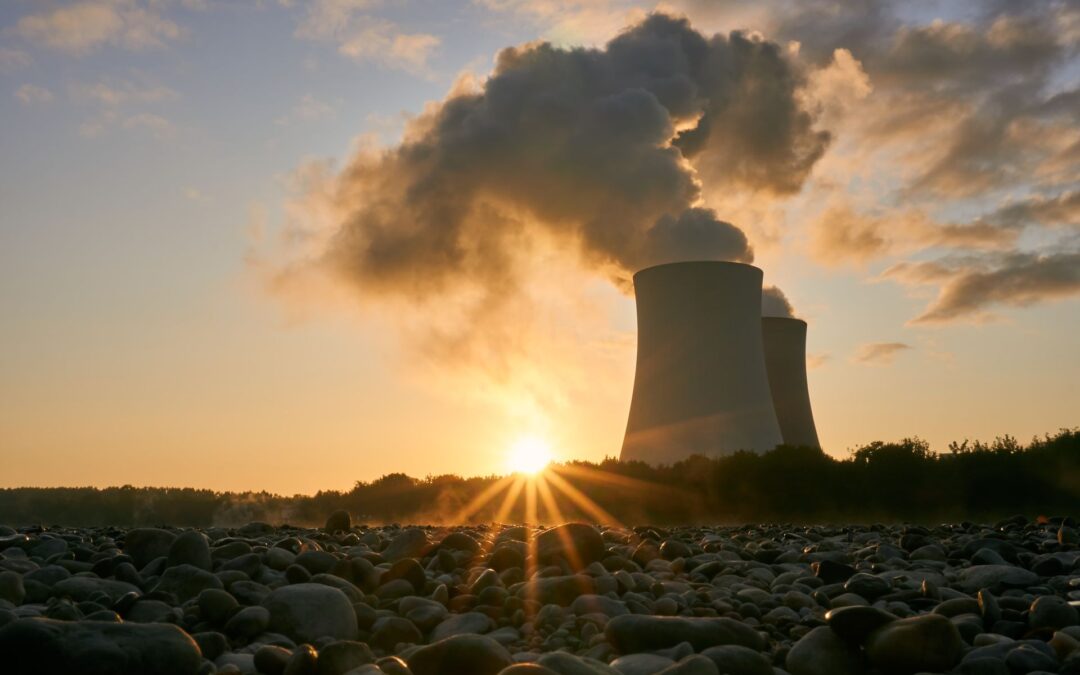
Main image credit: Lukáš Lehotský/Unsplash

Alicja Ptak is deputy editor-in-chief of Notes from Poland and a multimedia journalist. She has written for Clean Energy Wire and The Times, and she hosts her own podcast, The Warsaw Wire, on Poland’s economy and energy sector. She previously worked for Reuters.