
Keep our news free from ads and paywalls by making a donation to support our work!

Notes from Poland is run by a small editorial team and is published by an independent, non-profit foundation that is funded through donations from our readers. We cannot do what we do without your support.
President Karol Nawrocki has vetoed a government bill that would have implemented the European Union’s Digital Services Act (DSA) in Poland. He argued that the measures would have threatened free speech by allowing state officials to remove online content.
“As president, I cannot sign a bill that effectively amounts to administrative censorship,” said Nawrocki. “A situation in which a government official decides what is permitted on the Internet is reminiscent of the Ministry of Truth in Orwell’s 1984.”
The government, which has regularly clashed with Nawrocki, says that the measures would have helped protect internet users from harmful and illegal content, as well as disinformation. The bill had also received backing from Polish media and human-rights groups.
W tym tygodniu podpisałem kolejnych dwanaście ustaw przekazanych przez Marszałka Sejmu. To ważne zmiany w kodeksie pracy, planach inwestycyjnych gmin, w bezpieczeństwie Bałtyku czy ustawa porządkująca funkcjonowanie spółdzielni mieszkaniowych.
Łącznie już 144 razy mój podpis… pic.twitter.com/M6e7yEfUHL— Kancelaria Prezydenta RP (@prezydentpl) January 9, 2026
The law would have granted two state bodies, the Office of Electronic Communications (UKE) and the National Broadcasting Council (KRRiT), powers to block online content deemed, for example, to contain criminal threats, child abuse, incitement to suicide or hate speech, or which violates intellectual property rights.
Requests to block content could come from users, police, prosecutors, the border guard (for human trafficking cases) or the National Revenue Administration.
Authors would be notified and, if they filed an objection, courts would review the decision. Content would be blocked only after the deadline for filing an objection had passed. Users would also gain clear channels to appeal platform removals, file complaints with authorities and restore content removed without justification.
Nawrocki, however, argued that these safeguards are not strong enough. “Instead of real judicial review, an absurd solution has been introduced: an objection to an official’s decision, which citizens must file within 14 days,” he wrote on the Chancellery website.
The president acknowledged that the internet “poses many threats, especially to children”, and requires “prudent, effective and intelligent regulation”. But the government’s bill contains elements that are “indefensible and simply harmful”.
“The proposed solutions create a system in which ordinary Poles will have to fight the bureaucracy to defend their right to express their opinions. This is unacceptable,” he concluded. “The state is supposed to guarantee freedom, not restrict it.”
Poland hopes this year to introduce measures preventing children from accessing social media, says the country's digital affairs ministry.
It is working on tools that would require platforms to verify the age of users https://t.co/G7qeEl2q9x
— Notes from Poland 🇵🇱 (@notesfrompoland) January 5, 2026
Nawrocki’s decision was criticised by digital affairs minister Krzysztof Gawkowski, who said it would undermine online safety. The veto was “not a defence of free speech” but protection for “paedophiles and scammers”, said Gawkowski.
He argued that the proposed law would have strengthened users’ appeal rights, protected families from disinformation and hate, and shielded Poland from foreign propaganda.
The Polish Media Council, which represents press, radio, television and online media outlets, also criticised the veto, saying that it “will hinder the fight against online disinformation, especially at a time when almost every day brings new lies from across the eastern border” – a reference to Russian disinformation.
The Polish government has asked the EU to take action against TikTok over a series of videos showing AI-generated young women calling for Poland to leave the EU.
"There is no doubt this is Russian disinformation," says government spokesman @adamSzlapka https://t.co/GrS1xUIWUc
— Notes from Poland 🇵🇱 (@notesfrompoland) December 31, 2025
The bill approved in November was already softened from its initial version, which would have allowed content to be blocked without giving authors a chance to respond. That drew criticism from the right-wing opposition, with which Nawrocki is aligned, but also many human-rights groups.
The version ultimately adopted by parliament addressed these concerns, winning support from human-rights and technology experts.
Earlier this week, the Panoptykon Foundation, an NGO defending freedoms against tech threats, published an appeal by 132 experts urging Nawrocki’s wife, Marta Nawrocka, to support the law given her previous campaigning against online threats.
Poland also now faces potential punishment from the EU for not implementing the Digital Services Act. In May last year, the European Commission referred Poland and four other member states to the Court of Justice of the European Union for failing to effectively implement the DSA.
Prezydenckie weto niweczy szansę na lepszą ochronę Polek i Polaków, w tym tych najmłodszych przed interesami mediów (anty-)społecznościowych takich jak X czy YouTube. Chodzi o wdrożenie DSA. Trudno nam zrozumieć decyzję @prezydentpl pic.twitter.com/Gf339fxroF
— Fundacja Panoptykon (@panoptykon) January 9, 2026
Notes from Poland is run by a small editorial team and published by an independent, non-profit foundation that is funded through donations from our readers. We cannot do what we do without your support.
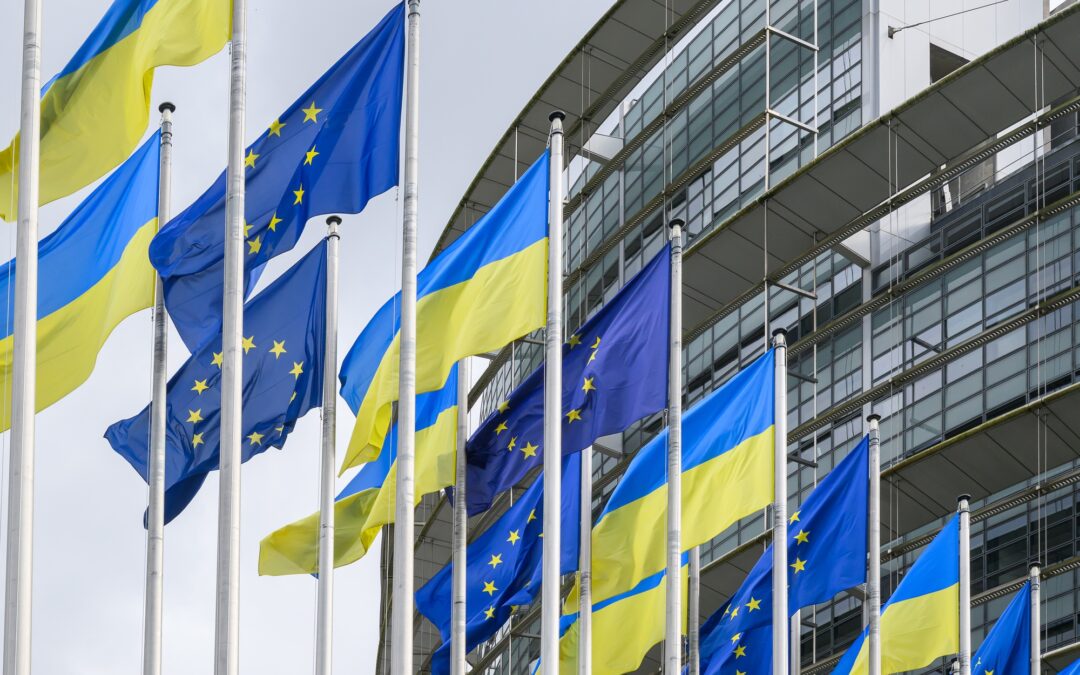
Main image credit: ROBIN WORRALL/Unsplash

Alicja Ptak is deputy editor-in-chief of Notes from Poland and a multimedia journalist. She has written for Clean Energy Wire and The Times, and she hosts her own podcast, The Warsaw Wire, on Poland’s economy and energy sector. She previously worked for Reuters.