Keep our news free from ads and paywalls by making a donation to support our work!

Notes from Poland is run by a small editorial team and is published by an independent, non-profit foundation that is funded through donations from our readers. We cannot do what we do without your support.
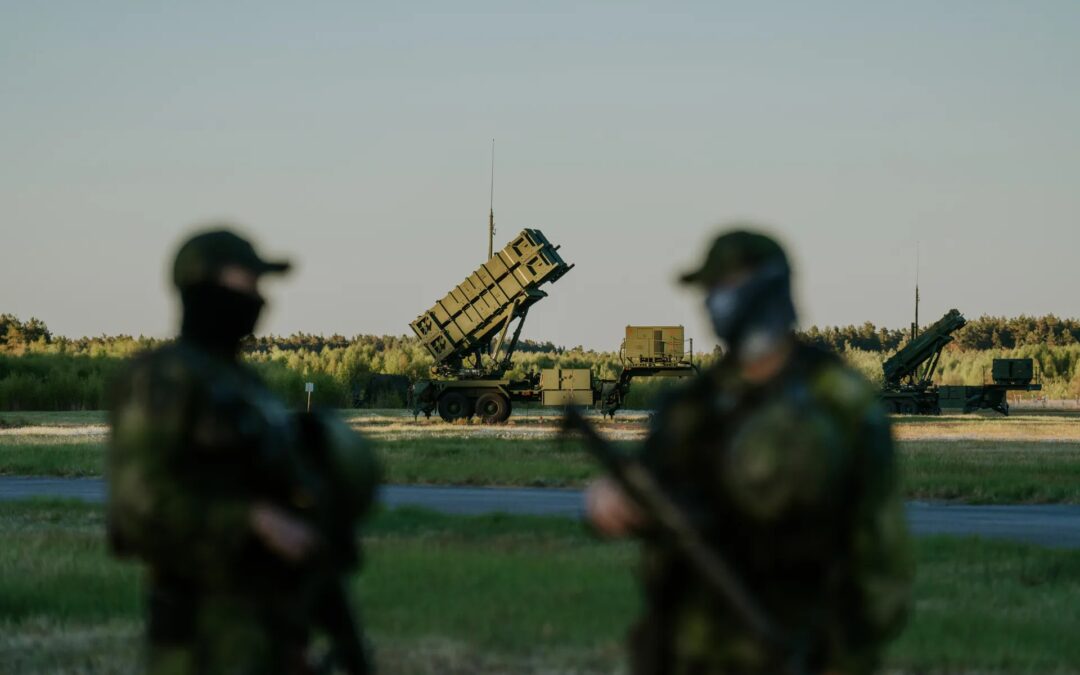
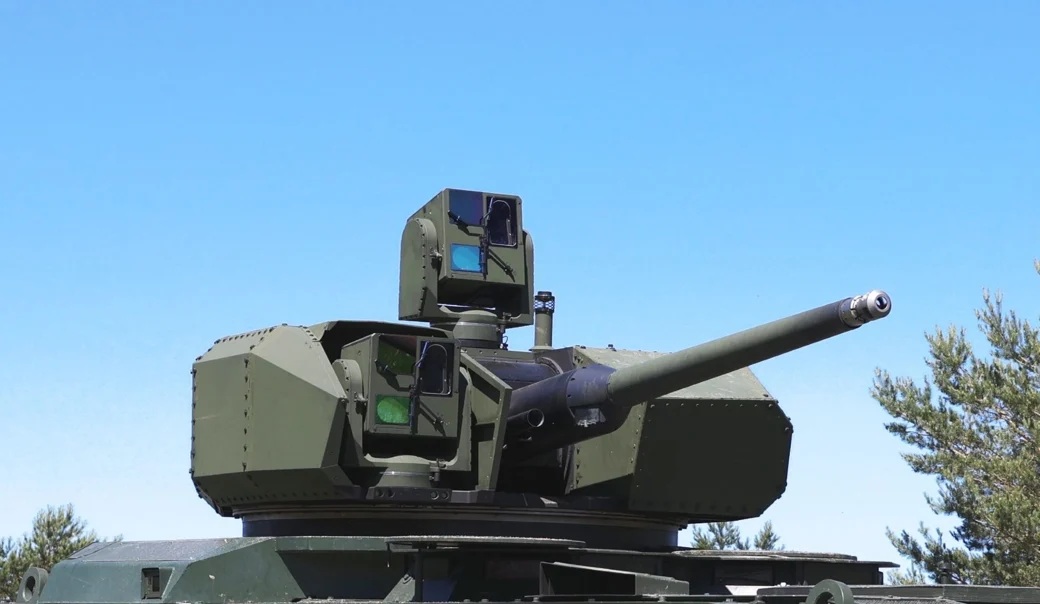
Norwegian defence firm Kongsberg has announced plans to build a new factory in Poland producing counter-drone systems. The firm will invest over 200 million zloty (€46 million) in the facility, creating more than 100 long-term jobs.
“The new facility will support Polish industry and defence capabilities and strengthen Kongsberg’s presence in Poland,” declared CEO Eirik Lie alongside Polish defence minister Władysław Kosiniak-Kamysz at the Warsaw Security Forum, where Norway is this year serving as the official partner nation.
In January, Kongsberg signed an agreement to supply a new anti-drone system to Poland in partnership with Polish state defence group PGZ. The project comes in response to growing fears over the threat of Russian drones, around 20 of which violated Polish airspace on one night in September last year.
Norwegowie inwestują w Polsce. Duża inwestycja #Kongsberg na Pomorzu ogłoszona właśnie na #WSF2026. Szybka budowa fabryki i nowe miejsca pracy. pic.twitter.com/msI2FWGym8
— Beata Górka-Winter (@BeataGWinter) October 12, 2026
Kosiniak-Kamysz thanked Kongsberg for its investment and emphasised that Polish-Norwegian relations are at their highest point in history, reports the Polish Press Agency (PAP).
The announcement of the counter-drone plant came as Poland and Norway’s prime ministers, Donald Tusk and Jonas Gahr Støre, signed a declaration on strategic partnership that pledged to deepen security ties, including joint defence production and strengthening NATO’s northern and eastern flanks.
While the exact location of the plant has not been revealed, Kongsberg stated that it would be in northern Poland, near the Tricity area (consisting of Gdańsk, Gdynia and Sopot) on the Baltic Sea coast.
Construction of the facility is scheduled to begin this year, with production at the site scheduled to commence in the first half of 2028.
Counter-drone technology has become an increasing priority for Poland following Russian airspace violations and also the growing use by Moscow of jet-powered drones to strike targets in Ukraine close to the Polish border, including recently a passenger train travelling between Kyiv and Warsaw.
Polish spending on drones and counter-drone systems combined rose from 100 million zloty in 2023 to 26 billion zloty in 2026, deputy defence minister Cezary Tomczyk announced in August, quoted by news website Interia.
The summary report of this week’s Warsaw Security Forum suggested the use of counter-drone systems to create a “controlled fly-zone” over the Suwałki Gap, a strategically important choke point along the Polish-Lithuanian border that sits between the Russian exclave of Kaliningrad and Russia’s ally Belarus.
Poland has signed an agreement for a new anti-drone system that it claims will be the first of its kind in Europe.
The network is intended to protect Poland’s eastern borders, where last year around 20 Russian drones crossed in an unprecedented incursion https://t.co/WhWhJxDwXA
— Notes from Poland 🇵🇱 (@notesfrompoland) January 30, 2026
Poland has in recent years moved to strengthen its defence ties with countries around the Baltic Sea. In January, it was announced that Poland will manufacture missiles for rocket artillery systems that Norway is purchasing from South Korea. Norway has already bought Piorun air-defence systems from Poland.
In 2024, Poland and Sweden signed a strategic partnership. The two countries subsequently held their first bilateral military exercises in the Baltic, and Poland this year ordered three submarines from Swedish manufacturer Saab.
Saab this year also signed a strategic collaboration agreement with PGZ that will see them cooperate on naval production, servicing and technology.
On Monday this week, Norway’s defence ministry announced that Poland will join an initiative recently launched by 11 European countries and Canada to cooperate more closely on security in the North Atlantic, Arctic and Baltic Sea.
Notes from Poland is run by a small editorial team and published by an independent, non-profit foundation that is funded through donations from our readers. We cannot do what we do without your support.
Main image credit: Kongsberg (press materials)

Leo Greenberg is an assistant editor at Notes from Poland. Based in Kyiv, he writes about global politics, Europe and America, and the war in Ukraine.