Keep our news free from ads and paywalls by making a donation to support our work!

Notes from Poland is run by a small editorial team and is published by an independent, non-profit foundation that is funded through donations from our readers. We cannot do what we do without your support.
Travellers can once again take the 666 bus to Hel – a town on Poland’s Baltic coast – after private transport operator FlixBus this week launched a new service under that number.
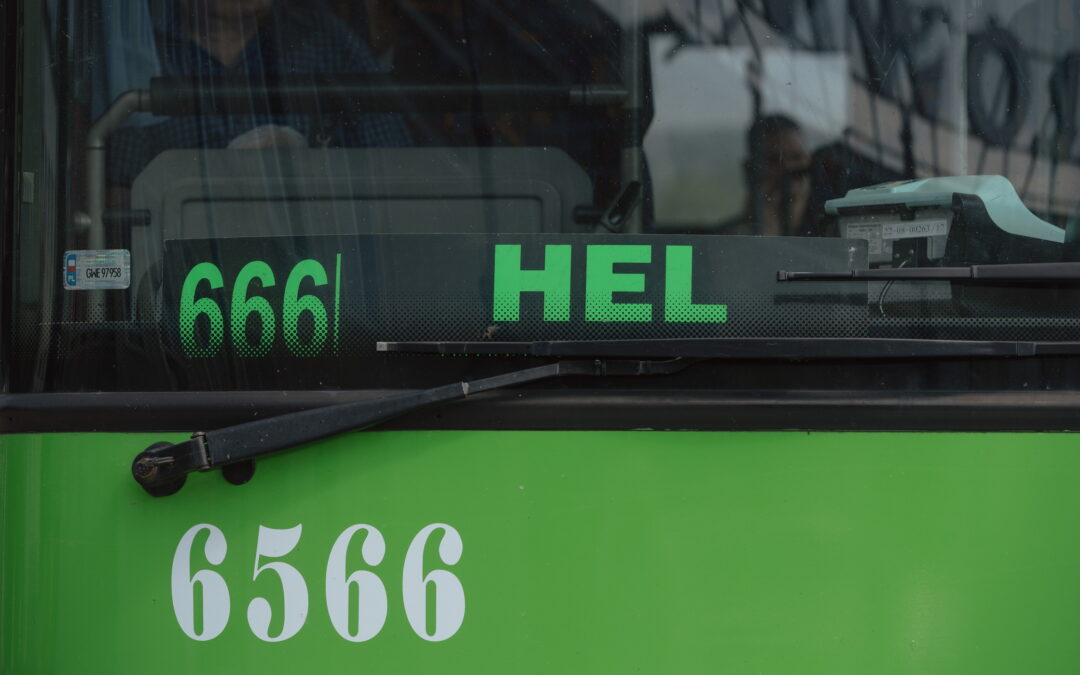
A previous long-running 666 bus to Hel (pictured above), run by a municipal transport operator, closed down three years ago following complaints that it was “spreading Satanism”.
FlixBus odpala linię 666. Inspiracja jasna.
Gdy PKS Gdynia wycofał się z numeru 666 na Hel po protestach i zmienił go na 669, FlixBus robi dokładnie odwrotnie.
Kraków – Warszawa – Modlin – Pomorze – Hel. pic.twitter.com/bHdFIVx44i— Konrad Krajewski (@KonradKrajewsk6) May 29, 2026
Despite its devilish connotations in English, the town of Hel is a popular holiday destination, located on a long peninsula, also called Hel, jutting into the Baltic sea and lined with long sandy beaches.
This week, the Polish branch of FlixBus, a German international transport operator, launched a new seasonal line, number 666, running between the southern city of Kraków and Hel, passing through Warsaw and Gdańsk along the way.
The service, which will continue until the end of August, runs once daily in each direction and takes around 13 and a half hours to get between Hel and Kraków.
A representative of FlixBus, Aleksander Kalenik, confirmed to broadcaster TVN that “the number 666 was deliberately chosen as a marketing communication element, intended to increase the visibility of the connection on the popular holiday route to Hel”.
He added that the company had, before making its decision, conducted analysis of passenger reactions and potential reputational damage, but found that the response was mainly positive or neutral.
Michał Leman, Flixbus’s vice president overseeing operations in Central and Eastern Europe, said that the route to Hel had been set up in response to demand from passengers wanting to travel there during the summer season, reports news website Gazeta.pl.
Leman noted that demand for buses and trains is particularly high this year, as the energy crisis caused by the war in Iran has increased the costs of travel, making many Poles choose to holiday at home.
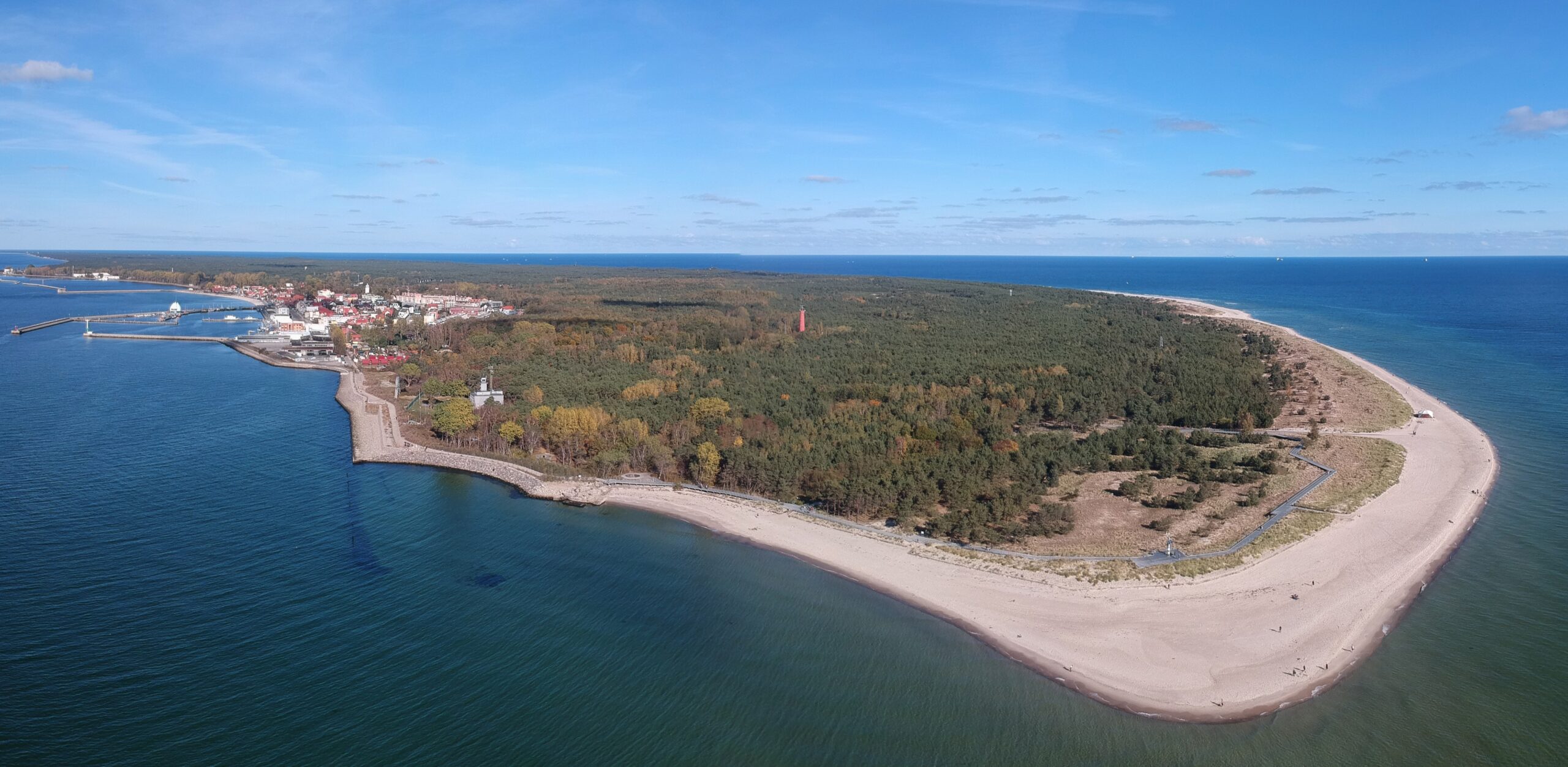
The tip of the Hel Peninsula, with the town of Hel seen on the left (Jg44.89/Wikimedia Commons, under CC BY 4.0)
Previously, local municipal bus operator PKS Gdynia had run a much more modest seasonal service between the village of Dębki, also on Poland’s northern Baltic coast, and the town of Hel.
The bus’s number, 666, made it the most famous route in Poland, with some visitors coming specially just to take the 666 bus to Hel. But the choice of the biblical number of the beast also prompted criticism from some Christian groups in one of Europe’s most religious countries.
In 2018, Fronda, a Catholic magazine, called for the bus route’s number to be changed as it was “spreading anti-Christian propaganda” and “Satanism”.
In 2023, PKP Gdynia announced that it was changing the bus’s number from 666 to 669, with the firm admitting that they wanted a “less controversial and less conspicuous” choice after “receiving objections from opponents of this number [666]”.
Poland's most famous bus line – the 666 to Hel, a town on the Baltic coast – has been brought to an end.
The operator has confirmed it made the decision after receiving complaints about the number, which one Christian group warned was "spreading Satanism" https://t.co/vaVtR8v9Vm
— Notes from Poland 🇵🇱 (@notesfrompoland) June 14, 2023
Notes from Poland is run by a small editorial team and published by an independent, non-profit foundation that is funded through donations from our readers. We cannot do what we do without your support.
Main image credit: Bartosz Banka / Agencja Wyborcza.pl

Daniel Tilles is editor-in-chief of Notes from Poland. He has written on Polish affairs for a wide range of publications, including Foreign Policy, POLITICO Europe, EUobserver and Dziennik Gazeta Prawna.