Keep our news free from ads and paywalls by making a donation to support our work!

Notes from Poland is run by a small editorial team and is published by an independent, non-profit foundation that is funded through donations from our readers. We cannot do what we do without your support.
Poland’s government has extended the scope of a fee paid by producers and importers of certain electronic devices to compensate creators for the copying of their work.
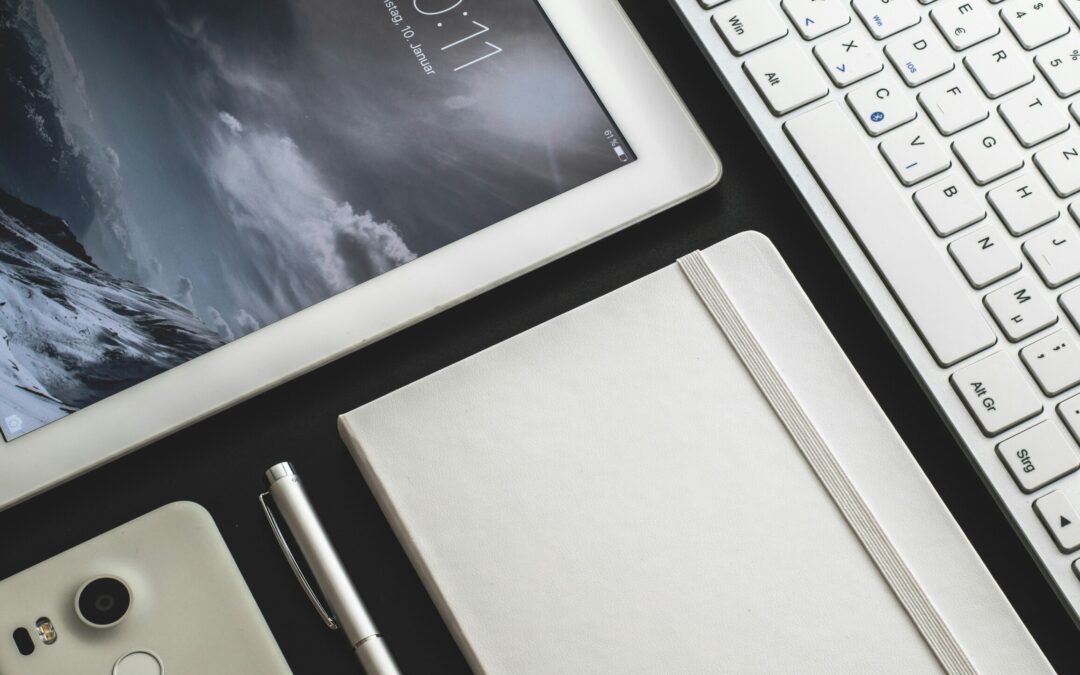
The fee, which was last updated in 2011 and up to now covered devices such as printers, photocopiers, scanners and fax machines, will now also be applied to more modern products such as smartphones, laptops and televisions.
The culture ministry says the updated regulation will bring Poland in line with technological advancements and EU standards. It will also ensure that artists and content creators receive greater support, given that receipts from the fee are now expected to more than quadruple.
However, figures from the opposition Law and Justice (PiS) opposed the move, saying that it may be unconstitutional because new taxes require a change in legislation rather than a government regulation. The party therefore wants the issue to be assessed by the Constitutional Tribunal (TK).
Najprościej jak się da:
1. Kto będzie objęty opłatą reprograficzną? Korporacje.
2. Kto nie będzie? Obywatele. Odbiorcy kultury.
3. To pieniądze, jakie już dawno powinny były trafiać na konta polskich twórców za kopiowanie ich pracy.To nie jest nowe prawo, tylko aktualizacja…
— Marta Cienkowska (@MartaCienkowska) May 4, 2026
In 1994, Poland introduced the so-called reprographic fee through copyright legislation. The idea was to compensate creators for the fact that consumers could now more easily copy their works using devices such as tape recorders and photocopiers.
It applies to blank media, such as cassette tapes, CDs, DVDs and even printer paper, as well as the devices that can be used for copying onto them.
Subsequent regulations in 2003, 2008 and 2011 updated the types of equipment falling under the law. However, the catalogue remained largely based on older technologies.
“Technology and the digital reality have changed radically in that time,” says the culture ministry. “As a result, revenues from reprographic fees in Poland have been among the lowest in the EU for many years, resulting in losses for thousands of Polish creators and performers.”
The ministry has therefore extended the fee to a range of modern-day devices, including smartphones, televisions, laptops, desktop computers and tablets. They will be hit with a levy of 1% of the device’s price, paid either by firms that produce the products in Poland or those that import them from abroad.
As a result, annual proceeds from the fee are expected to grow from around 36 million zloty (€8.5 million) in 2024 to between 150 and 200 million zloty, according to the ministry.
Revenue from the fee does not go to the state treasury (meaning it is technically not a tax) but instead is collected by copyright management organisations, such as the Polish Association of Audio-Video Producers (ZPAV) and the Association of Authors (ZAiKS), which then distribute it to their members.
The ministry’s decision was welcomed by ZPAV, which said that “creative communities have been waiting for this change for over 15 years, and its absence has cost Polish culture hundreds of millions of zloty in losses each year”.
However, the opposition PiS party has questioned the legality of the culture ministry’s decision, in particular the fact that it was implemented through a regulation (which can be issued unilaterally by the government) rather than legislation (which requires parliamentary and presidential approval).
“The Polish constitution provides for the introduction of new taxes only through legislation. Therefore, in our opinion, this regulation is unconstitutional,” said PiS MP Zbigniew Kuźmiuk at a press conference on Monday.
He added that the party was considering filing a complaint to the Commissioner for Human Rights, requesting that he ask the TK to examine whether the culture ministry’s move is in compliance with the constitution.
PiS also launched a social media campaign calling the changes “Tusk’s new tax”, referring to Prime Minister Donald Tusk.
😡 Płacisz, nawet jeśli nic nie kopiujesz. Opłata dotyczy wszystkich i jest doliczana do sprzętu. Nie korzystasz? I tak zapłacisz.
👉 Udostępnij #NowyPodatekTuska pic.twitter.com/l7zRTN8TiI— Prawo i Sprawiedliwość (@pisorgpl) May 6, 2026
In response to criticism, Cienkowska wrote on social media that “this is not a new law, just an update to regulations from over 20 years ago”, so that they can meet modern needs.
Meanwhile, her ministry also argued that the fee “is not paid by ordinary people, but collected from corporations” and noted that Poland generates less revenue from reprographic fees than other countries in Europe.
Hungary, with a population only around a quarter of the size of Poland’s, generated around twice as much from its equivalent fee in 2024, for example, noted the ministry.
To nie „podatek od smartfonów”, ale rekompensata dla twórców za powielanie ich dzieł do celów prywatnych. Nie rewolucja, a aktualizacja przepisów, by wejść w XXI w.
Co warto wiedzieć o opłacie reprograficznej?
👉🏻 nie jest uiszczana przez zwykłych ludzi, ale pobierana od…— Ministerstwo Kultury i Dziedzictwa Narodowego (@kultura_gov_pl) May 4, 2026
Notes from Poland is run by a small editorial team and published by an independent, non-profit foundation that is funded through donations from our readers. We cannot do what we do without your support.
Main image credit: LUM3N/Unsplash

Olivier Sorgho is senior editor at Notes from Poland, covering politics, business and society. He previously worked for Reuters.