Keep our news free from ads and paywalls by making a donation to support our work!

Notes from Poland is run by a small editorial team and is published by an independent, non-profit foundation that is funded through donations from our readers. We cannot do what we do without your support.
Historical documents relating to the Holocaust and other Nazi-German crimes that were withdrawn from auction in Germany last year after international criticism and intervention by the Polish government have now been handed over to the Auschwitz-Birkenau Foundation in Poland.
On Friday, the foundation announced that 433 documents had been placed under its care during a handover at the state parliament of North Rhine-Westphalia, which acquired the items after the auction was cancelled.
433 historyczne dokumenty, które w listopadzie 2025 r. miały zostać wystawione na aukcji w niemieckim Neuss, zostały przekazane na zasadach powiernictwa Fundacji Auschwitz-Birkenau.
Wszystkie trafią do odpowiednich instytucji i miejsc pamięci.
Więcej: https://t.co/9cHq9LgSJY pic.twitter.com/LuBqbMrLEr
— Muzeum Auschwitz (@MuzeumAuschwitz) January 30, 2026
The documents pertain to a variety of Nazi-German crimes committed during World War Two, including in ghettos and concentration camps in occupied Poland. A large section of the files relates to Auschwitz itself.
“As soon as news of the auction emerged, due to the nature and importance of the documents, we immediately initiated talks…to halt the auction, but also to secure the collection and find a way to transfer these unique material testimonies to their proper place,” said Wojciech Soczewica, president of the foundation.
Piotr Cywiński, director of the Auschwitz Museum, said that the documents would now be “transferred to appropriate institutions and memorial sites, where they will be incorporated into archival resources, preserved, academically studied…[and] used in educational work”.
André Kuper, the president of the North Rhine-Westphalia state parliament, said they were “grateful that we have found a solution to transfer this collection of documents to the archives of the relevant memorial sites”.
“Preserving memory in archives and museums protects the dignity of the victims and serves to further research and education about the inhumane Nazi persecution and extermination process,” he added.
When the Felzmann auction house in the city of Neuss announced last November that it would be auctioning the items, which came from a private collection, it caused outrage and prompted intervention from Poland’s foreign minister, who called the planned sale “a scandal that must be prevented”.
An auction of Holocaust items in Germany has been cancelled following international criticism and intervention by the Polish government.
Poland says it will now "demand the return of objects" that are found to be part of the country’s historical heritage https://t.co/3y0rIFgwkc
— Notes from Poland 🇵🇱 (@notesfrompoland) November 16, 2025
The items for sale included Stars of David worn by Jewish camp and ghetto prisoners, documents relating to forced sterilisations, records of companies forcibly sold to the Germans, and Nazi propaganda material.
One letter from a prisoner at Auschwitz to a recipient in the city of Kraków – both of which were in occupied Poland – had a starting price of €500. A collection of postcards sent between the parents and children of a Jewish family in Poland was listed at €12,000.
The auction was quickly cancelled and Poland’s culture minister said she would “unequivocally demand the return of these objects to Poland”.
Over 400 items, most likely hidden by Jews during WWII, have been discovered during renovation work in Łódź.
Among them were two hanukkiahs that, eight decades after being buried, were used by the city during its celebration of Hannukah last month https://t.co/KlCr4ORPJE
— Notes from Poland 🇵🇱 (@notesfrompoland) January 9, 2023
German newspaper Rheinische Post reports that the owner of the auction house, Reinhard Fischer, had cooperated in helping the state of North Rhine-Westphalia purchase the collection. He said that he was happy “that these important documents are going to the right place and into the right hands”.
According to the newspaper, the state’s purchase of the material was financed through a donation from a foundation dedicated to remembrance. The details of the arrangement are confidential, but “it is understood that a low six-figure sum was paid”.
Previously, some other items from the collection were sold to the Israeli Yad Ezer L’Haver foundation, reports Rheinische Post.
Notes from Poland is run by a small editorial team and published by an independent, non-profit foundation that is funded through donations from our readers. We cannot do what we do without your support.
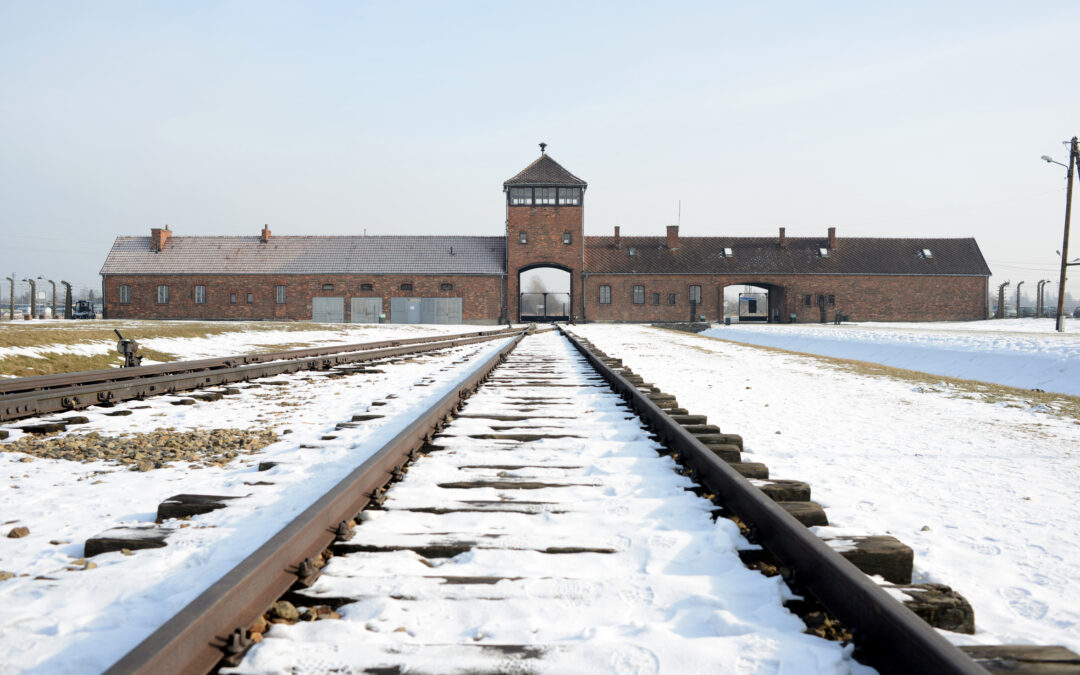
Main image credit: Bartosz Siedlik/European Union 2017

Daniel Tilles is editor-in-chief of Notes from Poland. He has written on Polish affairs for a wide range of publications, including Foreign Policy, POLITICO Europe, EUobserver and Dziennik Gazeta Prawna.