Keep our news free from ads and paywalls by making a donation to support our work!

Notes from Poland is run by a small editorial team and is published by an independent, non-profit foundation that is funded through donations from our readers. We cannot do what we do without your support.
Poland’s power grid operator, PSE, has, for the second time in three days and third time this summer, invoked emergency measures to ensure supply amid an ongoing heatwave. Before this summer, it had only done so twice in the eight years since such powers were introduced.
However, following a meeting with PSE and other state energy officials, Prime Minister Donald Tusk has assured Poles that, despite “a very difficult period”, the “situation is under control” and power supplies are secure, thanks in part to the growth of renewables in recent years.
❗️PSE ponownie ogłaszają okresy przywołania na rynku mocy❗️
To już 3. raz w tym roku, kiedy operator sięga po to narzędzie.
W historii zdarzyło się to tylko 5 razy, wliczywszy 3 przypadki tegoroczne, co pokazuje wyjątkowość roku 2026 dla energetyki. pic.twitter.com/DbCPnpyae4
— Jakub Wiech (@jakubwiech) August 6, 2026
PSE has called on contracted electricity generators to increase output and large consumers to cut use to help balance the grid on Thursday between 5:00 p.m. and 10:00 p.m., as temperatures have this week approached 40°C (104°F) in many parts of the country.
The same measures were introduced on Tuesday, as the heatwave pushed up electricity consumption, partly due to increased use of air conditioning and refrigeration.
Participants in Poland’s capacity market are paid for maintaining standby capacity and fulfilling their obligations when called upon by the operator. According to PSE, the mechanism is “a remedial measure” used when the generation capacity available to the operator falls significantly below the required safety level.
Previously, the measures were invoked in June this year, amid another heatwave that saw Poland hit its highest-ever recorded temperature of 40.5°C. But before that, they had only been used twice since being introduced in 2018.
Temperatures in Poland have reached the highest level on record, with a figure of 40.3°C (104.5°F) recorded this afternoon, as the heatwave that has hit Europe this week moves eastwards https://t.co/eRhRxiuCGq
— Notes from Poland 🇵🇱 (@notesfrompoland) June 28, 2026
Poland’s weather institute IMGW issued heat warnings on Thursday for 13 of the country’s 16 provinces, with daytime temperatures forecast to reach between 33C and 38C.
High temperatures and prolonged drought conditions have also pushed water levels in many rivers to extremely low levels, with the Vistula, Poland’s longest river, only 5 centimetres above the historic low of 4 centimetres it fell to in Warsaw last year. Some other parts of the river have hit all-time record lows, reports Polsat News.
One result has been a disruption of cooling supplies to Poland’s power sector. State energy firm Enea this week announced reduced operations at two of its coal-fired plants that are cooled by water from the Vistula. Around 1.1 gigawatts (GW) of capacity (just over 1% of Poland’s total) has gone offline.
On Wednesday, Prime Minister Donald Tusk convened a meeting of a government crisis team, including PSE’s deputy president, to discuss the current heatwave and its potential impact on the power sector.
However, afterwards he assured that “the situation is under control” and that the fact that Poland now has “a lot of energy from solar panels and wind turbines makes our system relatively secure”, reports the Polish Press Agency (PAP).
Poland’s renewable sector has expanded rapidly over the last decade. Last year, it provided just over 29% of the country’s power, with onshore wind supplying 14% of the energy mix and solar 12%.
Renewables generated 29.4% of Poland's electricity in 2025, almost exactly the same figure as in 2024, ending a period of strong growth since 2021.
Coal (52.2%) remained the dominant source, though its share declined.
For more, read our full report: https://t.co/XjD9hfhabo pic.twitter.com/WklP7dYL78
— Notes from Poland 🇵🇱 (@notesfrompoland) January 2, 2026
Notes from Poland is run by a small editorial team and published by an independent, non-profit foundation that is funded through donations from our readers. We cannot do what we do without your support.
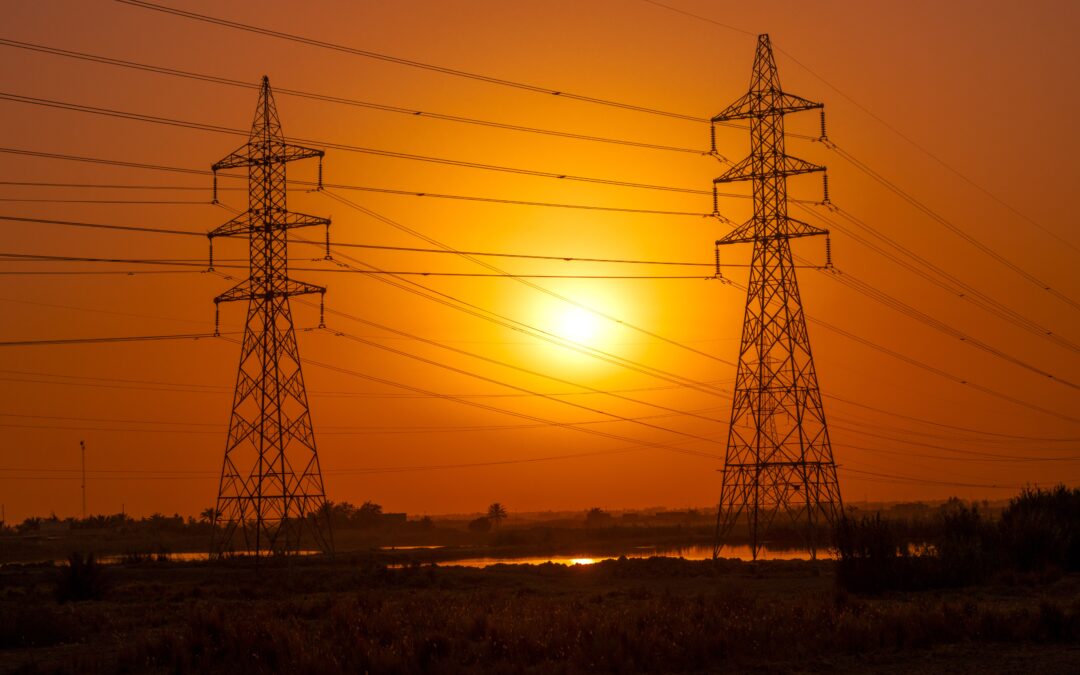
Main image credit: Haitham Moussa/Pexels

Alicja Ptak is deputy editor-in-chief of Notes from Poland and a multimedia journalist. She has written for Clean Energy Wire and The Times, and she hosts her own podcast, The Warsaw Wire, on Poland’s economy and energy sector. She previously worked for Reuters.