Keep our news free from ads and paywalls by making a donation to support our work!

Notes from Poland is run by a small editorial team and is published by an independent, non-profit foundation that is funded through donations from our readers. We cannot do what we do without your support.
A 29-year-old Polish man will face trial on charges of spying for Russia, including passing on information about Polish and NATO infrastructure in Poland to Russian intelligence.
Prosecutors announced on Tuesday that they have issued an indictment against the man, who can only be named as Wiktor Z. under Polish privacy law, for the crime of espionage. If found guilty, he faces a minimum of eight years in prison, ranging up to a possible life sentence.
Dzięki funkcjonariuszom Agencji Bezpieczeństwa Wewnętrznego kolejny szpieg pracujący na rzecz wywiadu Federacji Rosyjskiej za swoją działalność przeciwko Polsce odpowie przed sądem. To 29-letni Polak, Wiktor Ź.
Do Sądu Okręgowego w Bydgoszczy trafił już akt oskarżenia.… pic.twitter.com/QIyAyzE8vX— Jacek Dobrzyński (@JacekDobrzynski) February 17, 2026
Wiktor Z. is accused of collecting and transmitting information about military and other strategic sites around the northern Polish city of Bydgoszcz.
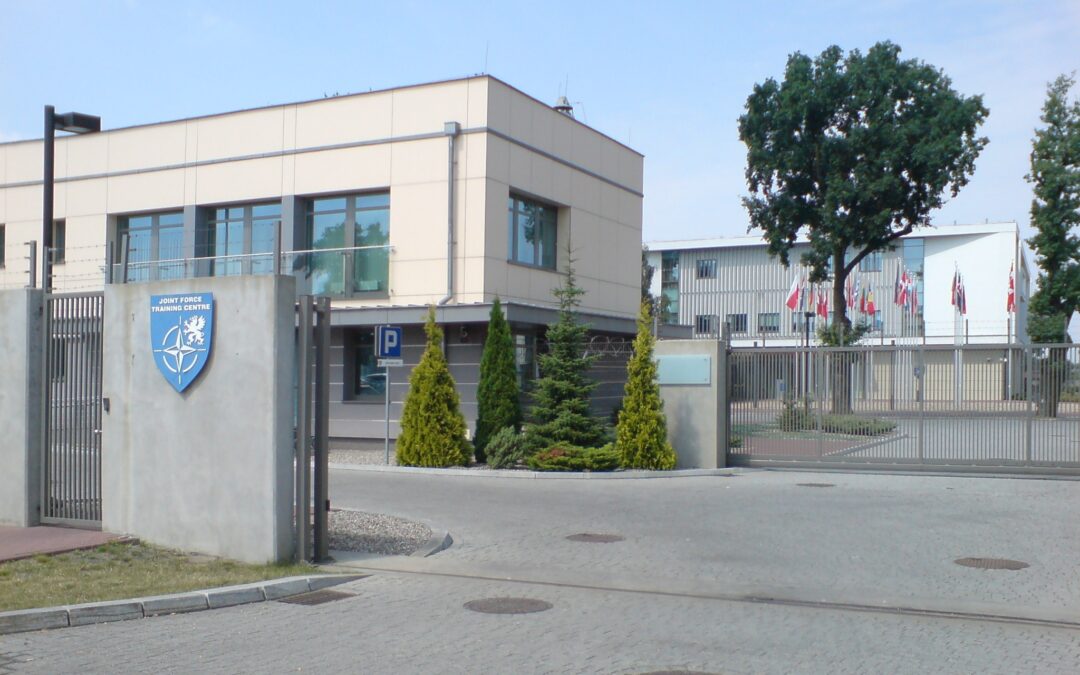
Among the targets of his alleged spying, which took place between February 2024 and April 2025, were Bydgoszcz’s civilian airport, a military aviation facility, a chemical plant, and NATO’s Joint Forces Training Centre in Bydgoszcz (pictured above).
Investigators say that he used instant messaging services to pass on information to Russia about the operation of the facilities, including their locations and security measures.
The man was detained by officers of Poland’s Internal Security Agency (ABW) in June 2025 and has remained in pretrial detention since. In a statement issued last year when he was charged, prosecutors said that he had “acted out of ideological motives and pro-Russian beliefs”.
In recent years, Poland has detained, charged and in some cases convicted a growing number of individuals and groups found to have been carrying out espionage, sabotage and other so-called “hybrid activities” on behalf of Russia.
Among the most serious incidents have been arson attacks, including one that destroyed Warsaw’s largest shopping centre, and sabotage of a rail line.
In response, Poland has successively closed down all of Russia’s consulates in Poland, prompting Moscow to do the same with Polish consulates in a tit-for-tat move.
Interpol has published red notices for two men that Poland says were responsible for carrying out the sabotage of a rail line last month on behalf of Russia
The pair immediately fled to Belarus after the incident and their current location is unknown https://t.co/RnahHDQkC8
— Notes from Poland 🇵🇱 (@notesfrompoland) December 18, 2025
In a separate incident this week, a 25-year-old Moldovan citizen was detained in eastern Poland after allegedly activating the handbrake on freight wagons of a train travelling on a line between the Polish city of Szczecin and the Ukrainian border.
Police are investigating the circumstances of the incident and have not described it as sabotage, but noted the potentially serious consequences, particularly as the train was carrying oil tankers, reports the Polish Press Agency (PAP).
They believe that the man had entered Poland from Ukraine the day before the incident. He was found in possession of cell phones, SIM cards, a power bank and documents in Russian.
Mołdawianin uruchomił hamulec pociągu towarowego. Prokuratura bada sprawę ⤵️#PAPInformacje https://t.co/G0CPaztiVf
— PAP (@PAPinformacje) February 17, 2026
Notes from Poland is run by a small editorial team and published by an independent, non-profit foundation that is funded through donations from our readers. We cannot do what we do without your support.
Main image credit: Darpaw/Wikimedia Commons (under CC BY-SA 3.0)

Alicja Ptak is deputy editor-in-chief of Notes from Poland and a multimedia journalist. She has written for Clean Energy Wire and The Times, and she hosts her own podcast, The Warsaw Wire, on Poland’s economy and energy sector. She previously worked for Reuters.