Keep our news free from ads and paywalls by making a donation to support our work!

Notes from Poland is run by a small editorial team and is published by an independent, non-profit foundation that is funded through donations from our readers. We cannot do what we do without your support.
A group of 82 people is to stand trial accused of running strip clubs that used alcohol and drugs to intoxicate their clients, often to the point of unconsciousness, in order to steal money from their bank accounts. The operation targeted foreign visitors in particular.
One of the alleged ringleaders of the group was an active police officer at the time, while three other former officers have also been accused of involvement in the criminal enterprise.
82 osoby, w tym czynni i byli policjanci, zostały oskarżone o oszustwa w klubach nocnych go-go. Ich klienci byli upijani, a następnie okradani z pieniędzy w kwotach od kilku do ponad 200 tysięcy złotych.https://t.co/8PtNJWutMa
— Rzeczpospolita Prawo (@RPPrawo) January 7, 2026
On Thursday, prosecutors announced that they had filed indictments against the group for a total of 747 alleged crimes, including robbery, fraud, possession of narcotics, and obstructing criminal proceedings.
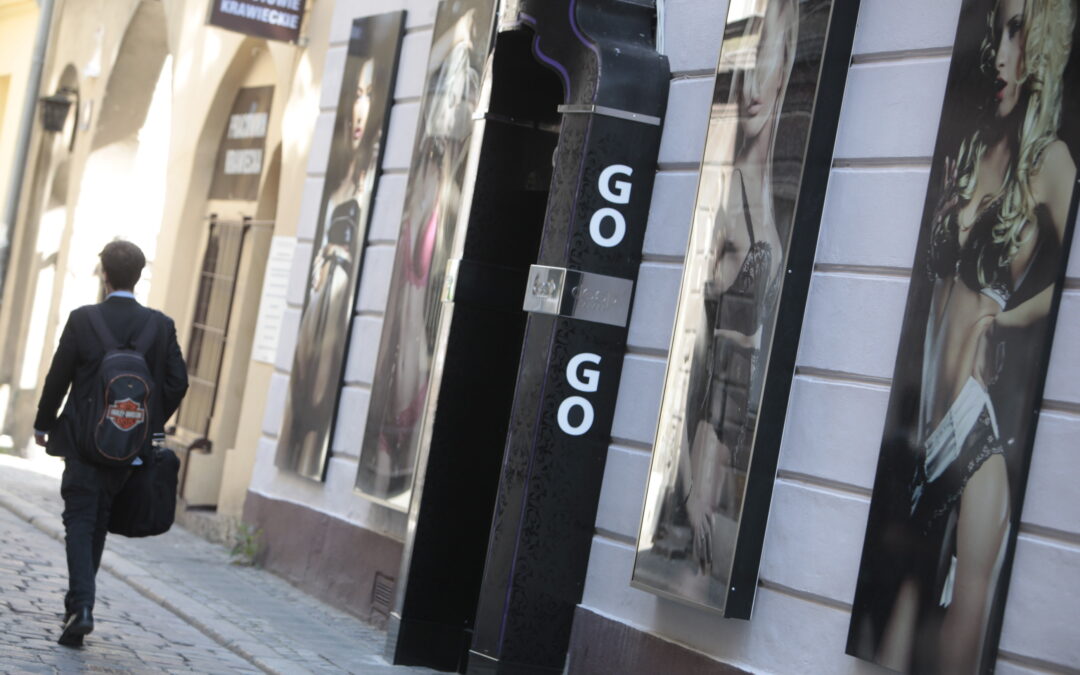
Those who will face trial include staff who worked on the premises of the strip clubs, such as managers, dancers and waitresses. Among the clubs involved in the scam were Gold House and Royal Gentlemen’s Club in Warsaw and Al Capone in Wrocław.
The indictment also includes those who were stationed in a separate “monitoring centre” that oversaw the operation. They “disciplined and punished waitresses and dancers for behaviour that threatened the security of the organised crime group and failed to achieve the profits expected by the chain’s management”.
A man who at the time was an active police officer in Warsaw, named only as Dariusz G. under Polish privacy law, is identified as one of the leaders of the group. Three other former officers, Maciej T., Paweł J., Cezary C., were among those who worked in the monitoring centre.
Prosecutors say that “the group’s goal was to induce patrons [of the strip clubs] into a state of significant intoxication or unconsciousness, resulting in a loss of…the ability to make rational decisions and counteract actions directed against them and their property”.
They did so by using “specially prepared alcohol mixtures” and in some cases “other psychoactive substances”. Prosecutors note that foreigners were a particular target of the gang.
Once clients were debilitated, staff at the strip clubs then took advantage of their state to extract payments through card payments and banking apps on their phones, or even taking them to withdraw money from cash machines. At least one victim lost over 200,000 zloty (€47,467).
Hundreds of men claim to have been drugged and scammed out money at Polish strip clubs, with losses often reaching thousands of dollars. Foreign tourists are a particular target.
But none of the cases has ever reached court, writes @Robert_Socha https://t.co/5fctC2eHU5
— Notes from Poland 🇵🇱 (@notesfrompoland) January 1, 2020
Sometimes dancers “helped” clients during calls with bank helplines, seeking to unblock payment cards or increase transaction limits. In one case, a victim took a loan of almost 70,000 zloty and then spent all the funds on fictitious goods and services in the club.
“In some cases, such individuals were held in clubs from late at night until the following afternoon, during which time their bank accounts were gradually emptied,” say prosecutors. “One of the victims stayed in the club until 3:40 p.m. and, after leaving, he was unable to identify the city he was in.”
Other fraudulent practices included quoting clients a certain sum for a service and then, when they paid by card, increasing the amount (by, for example, adding a zero at the end). Sometimes staff pretended a payment had not gone through, asking the client to make it a second time.
Police have raided over 100 strip clubs and arrested 22 people accused of operating a gang that drugged and defrauded clients.
The victims – including foreign visitors to Poland – lost between a few thousand and, in one case, a million zloty (€218,200) https://t.co/AjorQrVfF0
— Notes from Poland 🇵🇱 (@notesfrompoland) May 31, 2022
Other, similar scams involving strip clubs that intoxicate clients before stealing their money have been previously identified in Poland. In 2022, police raided over 100 strip clubs and arrested 22 people as part of an investigation. Further arrests, charges and indictments have since followed.
In one particularly tragic case, a 36-year-old British tourist died after being plied with alcohol in a Kraków strip club and robbed of over 2,000 zloty in cash.
Notes from Poland is run by a small editorial team and published by an independent, non-profit foundation that is funded through donations from our readers. We cannot do what we do without your support.
Main image credit: Piotr Skornicki / Agencja Wyborcza.pl

Daniel Tilles is editor-in-chief of Notes from Poland. He has written on Polish affairs for a wide range of publications, including Foreign Policy, POLITICO Europe, EUobserver and Dziennik Gazeta Prawna.