Keep our news free from ads and paywalls by making a donation to support our work!

Notes from Poland is run by a small editorial team and is published by an independent, non-profit foundation that is funded through donations from our readers. We cannot do what we do without your support.
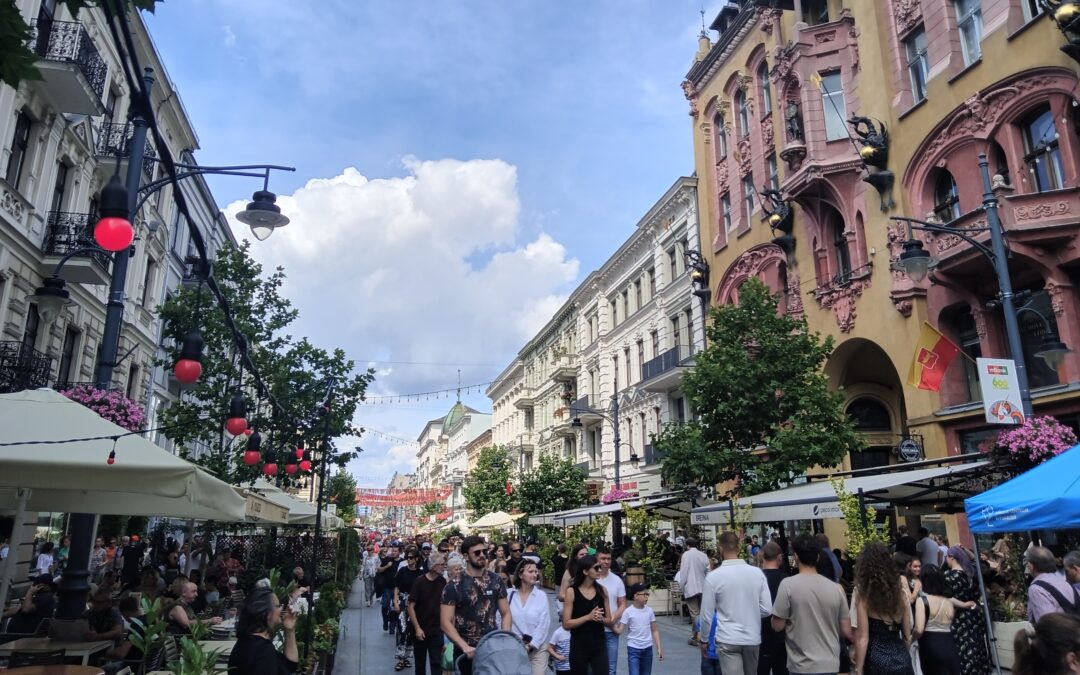
Poland’s fourth-largest city, Łodź, has become the latest to introduce a ban on the sale of alcohol in shops at night in its city centre, in an effort to prevent antisocial behaviour and protect public health.
It follows most of Poland’s biggest cities in introducing such restrictions, though the capital, Warsaw, remains an exception. Meanwhile, two parties from Poland’s ruling coalition recently submitted bills to parliament that, if passed, would introduce a nationwide ban on nighttime alcohol sales.
Od 22:00 do 6:00 na 7 łódzkich osiedlach wprowadzono zakaz sprzedaży alkoholu poza lokalami gastronomicznymi. To efekt inicjatywy mieszkańców, zatwierdzonej przez Radę Miejską.
Szczegóły w artykule ⬇️ pic.twitter.com/LhFooyjpX2
— Hanna Zdanowska (@HannaZdanowska) July 2, 2025
From Friday this week, the sale of alcohol will be prohibited between 10 p.m. and 6 a.m. in seven districts covering the centre of Łódź: Katedralna, Śródmieście Wschód, Stary Widzew, Stare Polesie, Górniak, Bałuty-Doły and Bałuty Centrum. Restaurants and bars are exempt from the ban.
The measures were initially proposed by residents, 600 of whom signed a draft resolution to the city council. Subsequently, 8,100 residents took part in public consultations, with almost two thirds, 64%, expressing support for the ban.
Among the main arguments presented in favour were improved safety, the protection of public health, and avoiding disturbances at night, reports local news service Łódź.pl. Opponents of the idea, meanwhile, said that it was a violation of civil liberties.
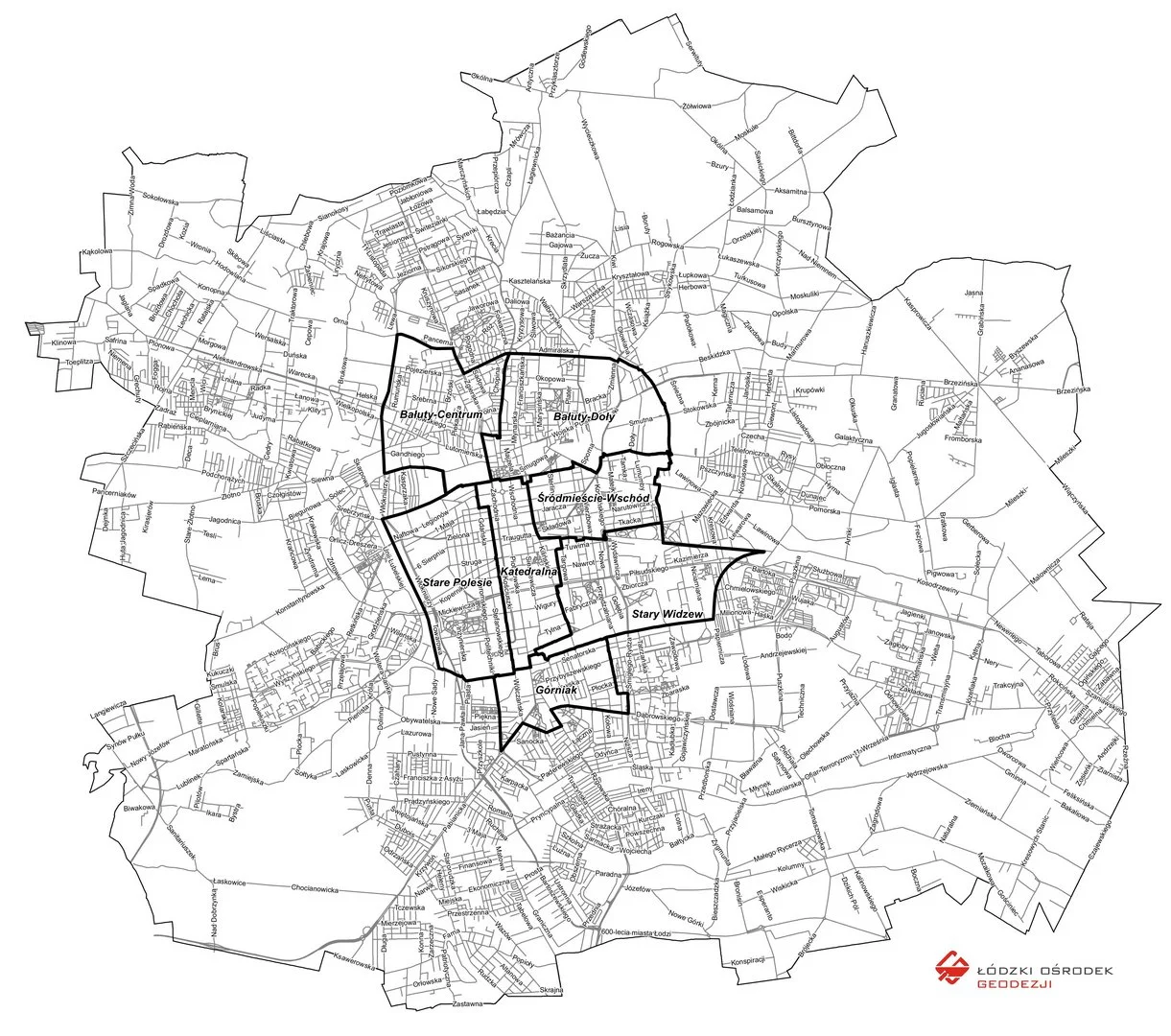
The parts of Łódź that will be covered by the nighttime alcohol sales ban
In July, the city council approved the ban, with 27 of its 30 members in favour and only two against, with one more abstaining. It was decided that the measures would come into force after a period of three months.
Municipal police will conduct checks to ensure shops are complying with the new rules, while city councillors can also act as “mystery shoppers” to test them, reports the Polish Press Agency (PAP).
Businesses that violate the ban risk being fined or even losing permits.
Łódź’s decision comes shortly after Wrocław, Poland’s third-largest city, last week introduced a city-wide ban on nighttime alcohol sales in shops and petrol stations. It had previously had the same prohibition in place in its Old Town area since 2018, which was then expanded to eight more central districts in 2024.
Data from Wrocław city hall indicate that, within a year of the ban going in place in the city centre, there was a 7% decrease in police interventions related to alcohol and a 15% decline in interventions by the “city guard” (straż miejska), a municipal police force that deals with lower-level crime.
Similarly, Kraków, Poland’s second-largest city, last year reported that police interventions had fallen by half in the six months since it introduced a nighttime alcohol sales ban.
In Poznań, the fifth-biggest city, a nighttime alcohol sales ban is already in place in five central districts, and the council this month launched an effort to expand those measures across the entire city.
In the six months after @krakow_pl introduced a ban on night-time sales of alcohol in shops, police interventions during those hours fell by almost half.
"We aimed to calm night-time Kraków and we can see that this goal is being achieved," says city hallhttps://t.co/uYVlDgYtYi
— Notes from Poland 🇵🇱 (@notesfrompoland) February 21, 2024
Between 2018 and 2024, around 180 municipalities in Poland introduced nighttime bans on alcohol sales. However, Warsaw remains an exception among the largest cities, with no ban of any kind.
This year, a proposal was made for a citywide nighttime prohibition, but it was controversially withdrawn at the last minute amid political infighting. Instead, this month, councillors approved a pilot programme to run in just two districts. Mayor Rafał Trzaskowski says he wants this to lead to a full citywide ban next year.
Meanwhile, last month, The Left submitted a bill to parliament that would introduce such measures nationwide. Soon after, another member of Poland’s ruling coalition, the centrist Poland 2050 (Polska 2050), put forward a similar proposal of its own.
It remains to be seen, however, if either of those bills can attract enough support from within the ruling coalition, or from elements of the opposition, to achieve a parliamentary majority.
Shops would be banned from selling alcohol at night and all forms of alcohol advertising would be banned under a law proposed by The Left, which is part of Poland's ruling coalition https://t.co/9dG6XEVfCb
— Notes from Poland 🇵🇱 (@notesfrompoland) September 23, 2025
Notes from Poland is run by a small editorial team and published by an independent, non-profit foundation that is funded through donations from our readers. We cannot do what we do without your support.
Main image credit: wrs.tm.pl/Wikimedia Commons (under public domain)

Daniel Tilles is editor-in-chief of Notes from Poland. He has written on Polish affairs for a wide range of publications, including Foreign Policy, POLITICO Europe, EUobserver and Dziennik Gazeta Prawna.