Work will take place in three former Polish villages where residents were massacred by Ukrainian nationalists.
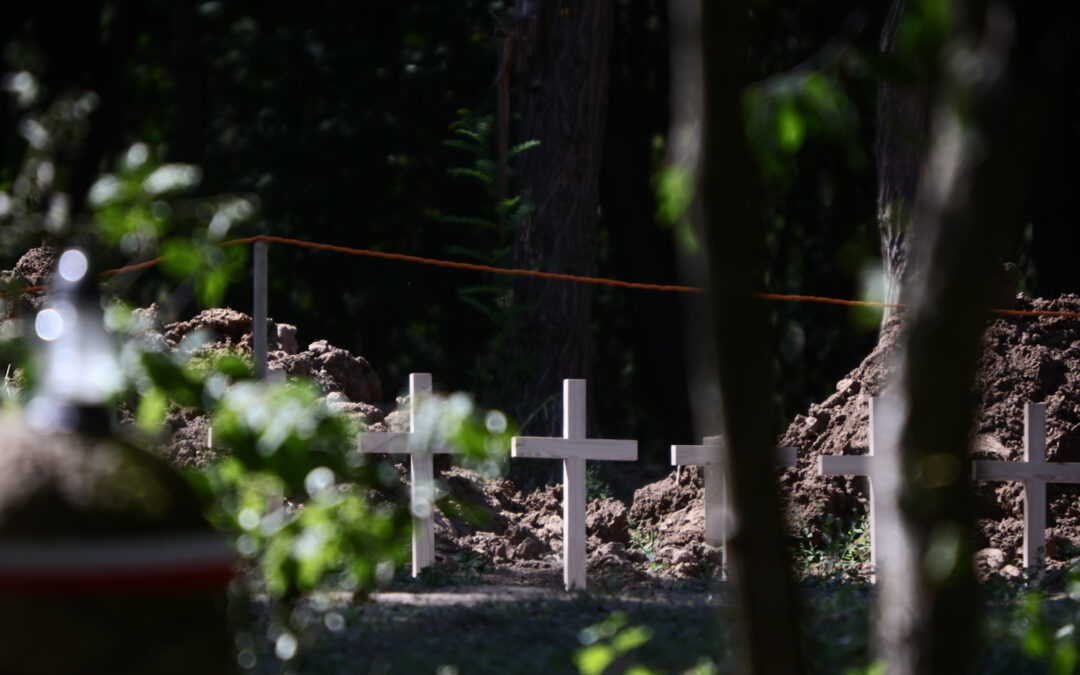

Work will take place in three former Polish villages where residents were massacred by Ukrainian nationalists.
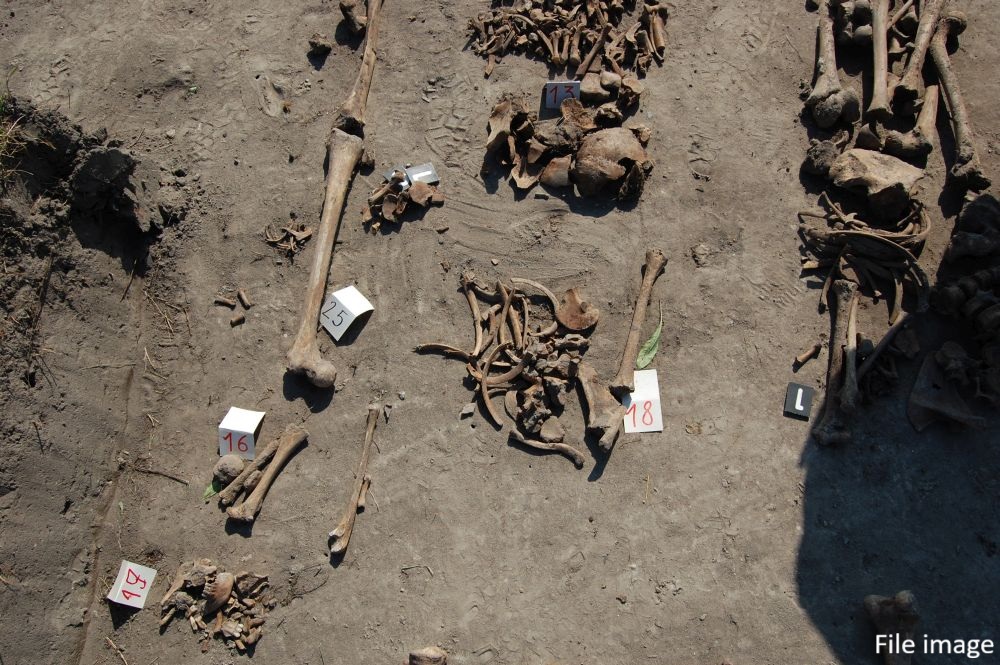
Over 100 Poles were killed by Ukrainian nationalists in the village of Ugły in 1943 as part of the broader Volhynia massacres.
We are an independent, nonprofit media outlet, funded through the support of our readers.
If you appreciate the work we do, please consider helping us to continue and expand it.
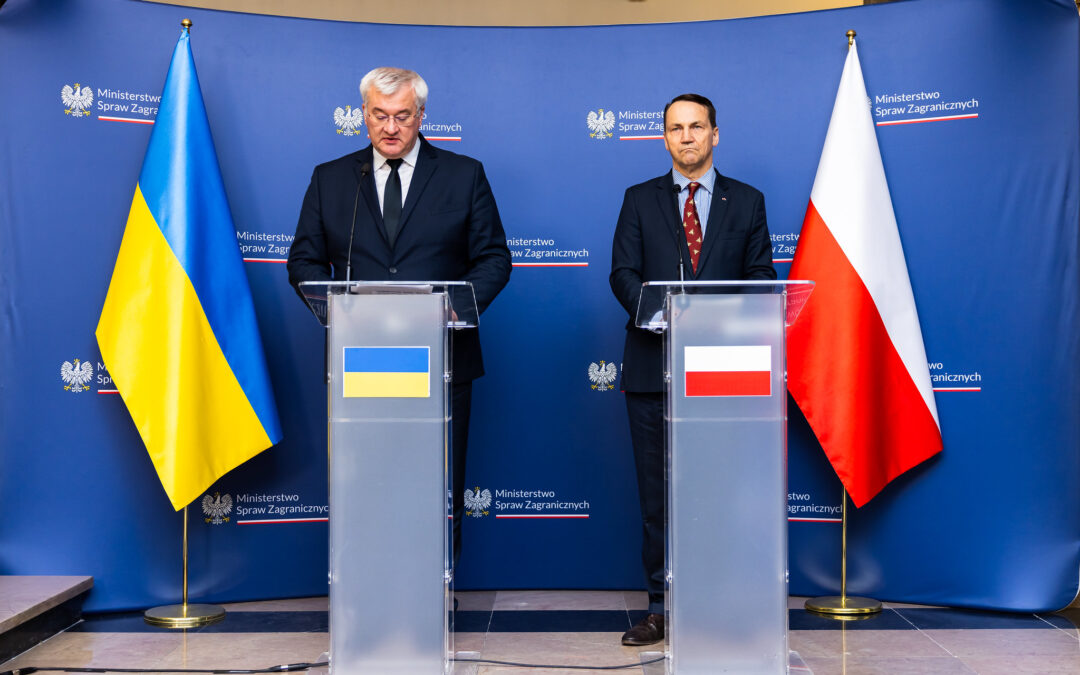
Ukraine has indicated there are “no obstacles” to exhumations taking place and that it will “positively consider” requests.
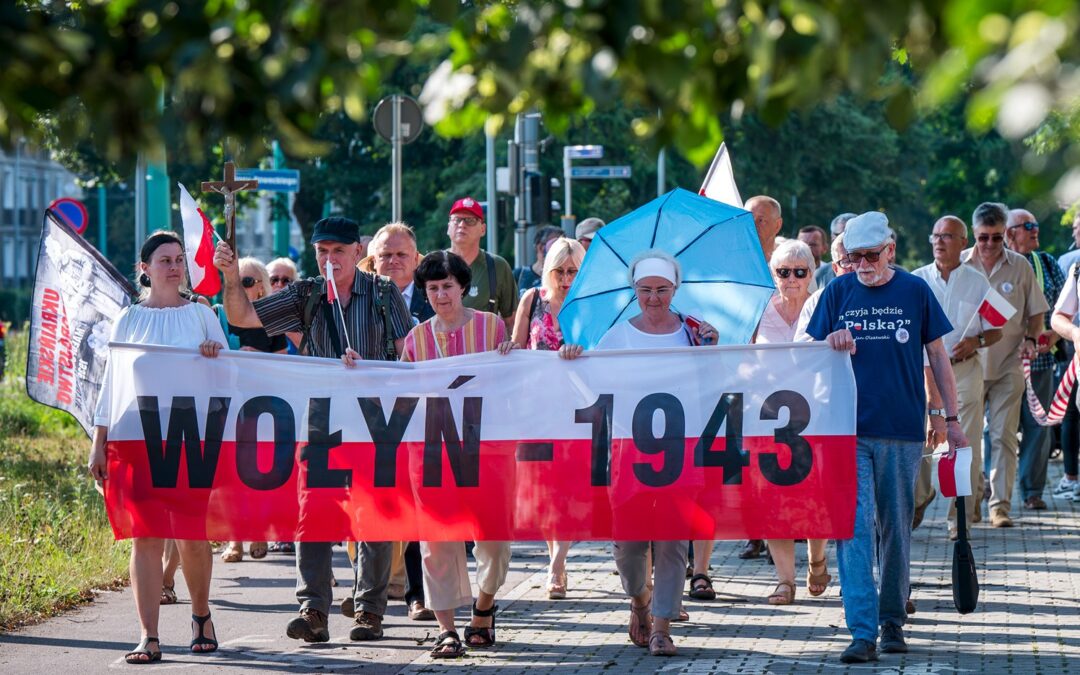
The idea caused disagreement among Polish MEPs, with right-wing politicians criticising left-wing ones for voting against it.
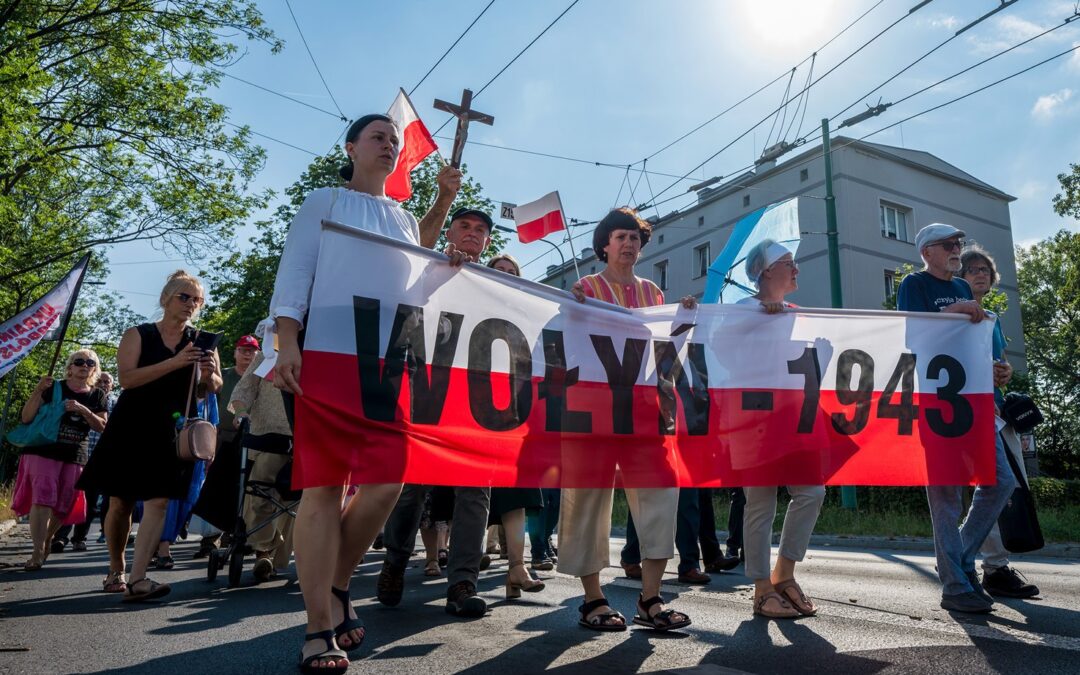
The Volhynia massacres of ethnic Poles by Ukrainian nationalists has long caused tensions between the two countries.
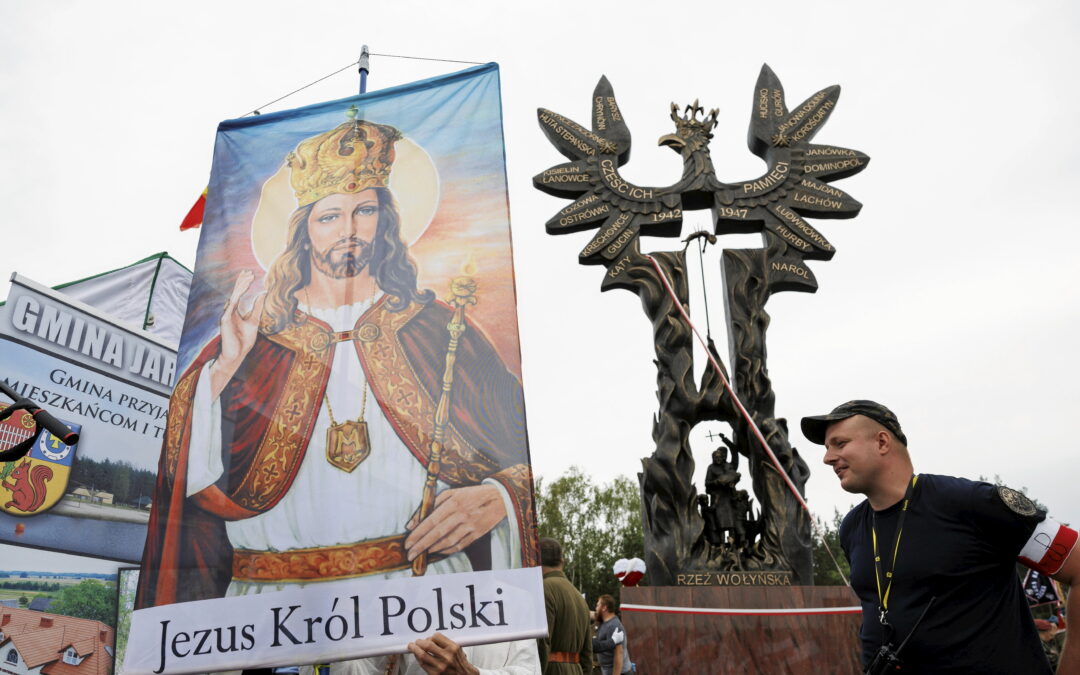
Several cities refused to host the statue, which depicts a baby being impaled on a Ukrainian trident.
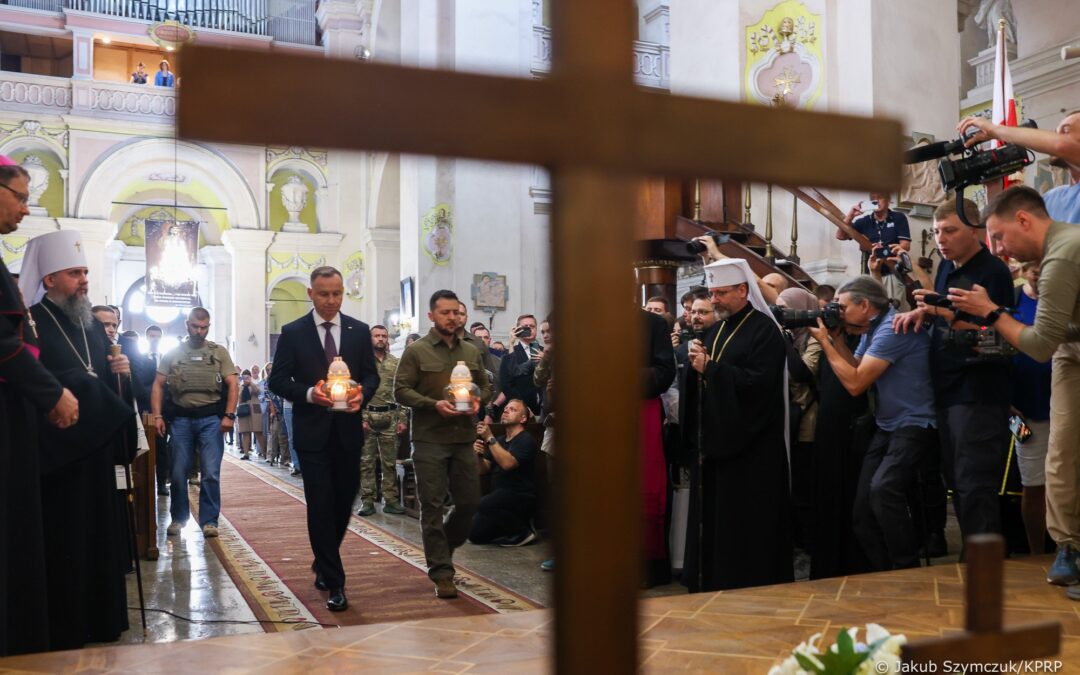
During the Volhynia massacres, Ukrainian nationalists murdered up to 100,000 ethnic Poles.
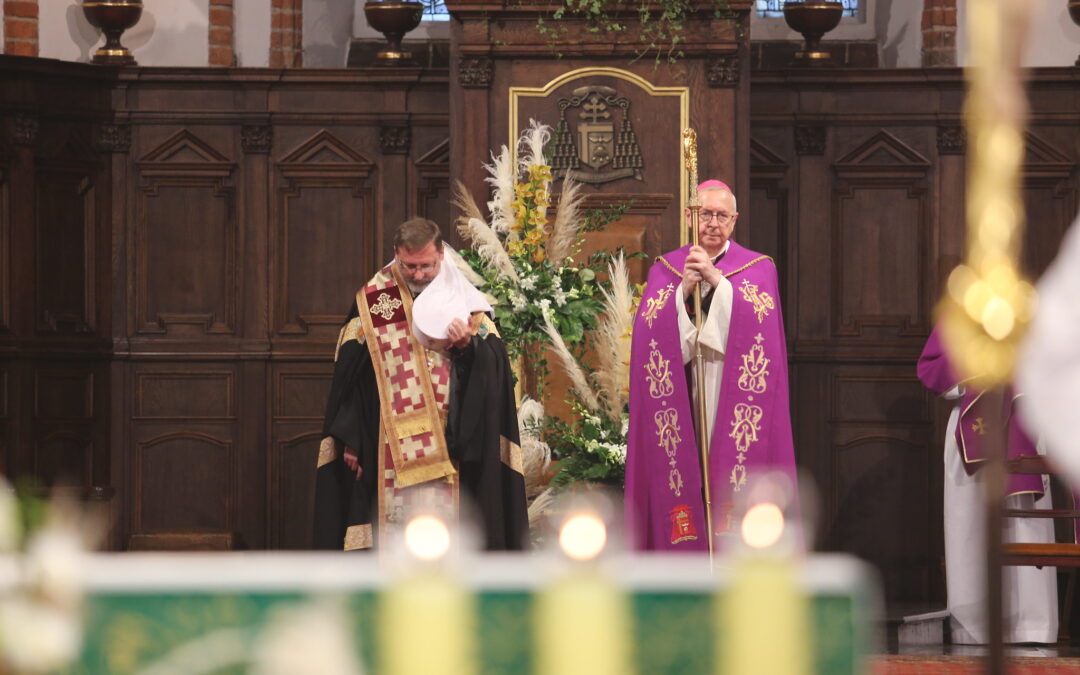
The heads of Poland’s Catholic Church and the Ukrainian Greek Catholic Church signed a joint declaration on the Volhynia massacres.
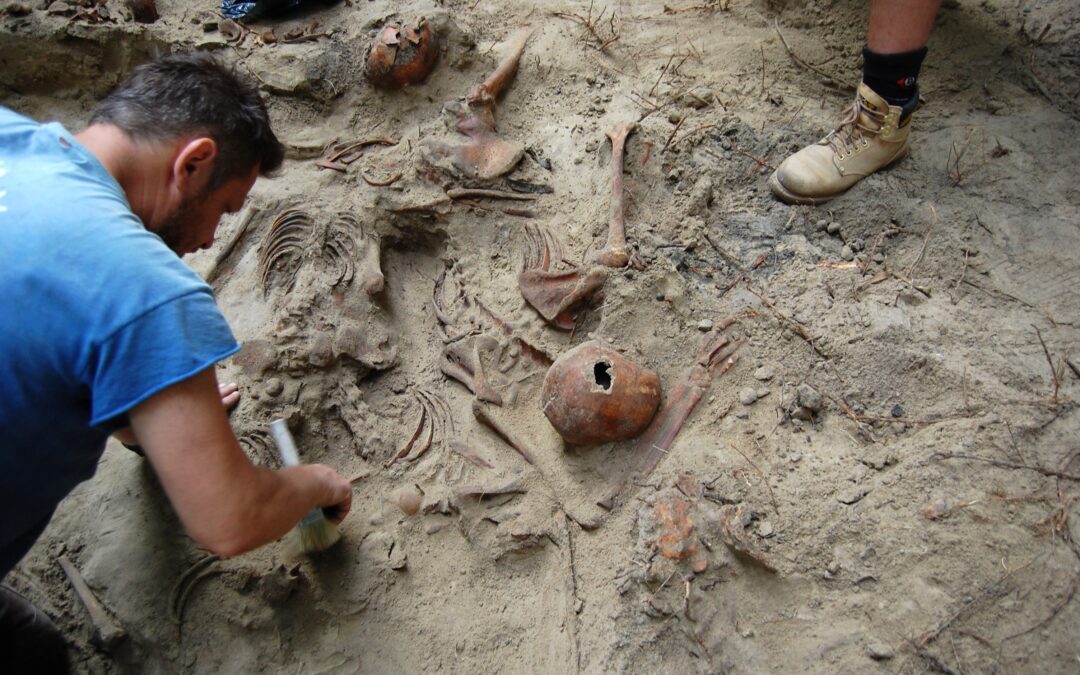
A Ukrainian official says such exhumations will only be permitted if Poland does more to restore damaged memorials to Ukrainian fighters on its territory.
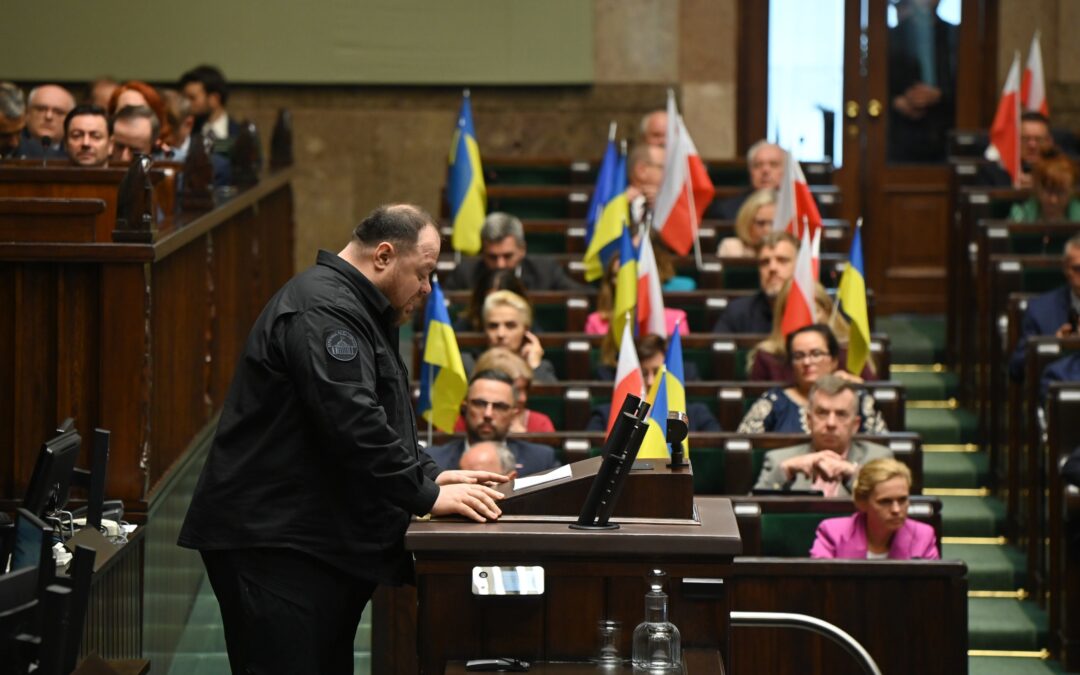
The Volhynia massacres are a regular cause of tension between two otherwise close allies.
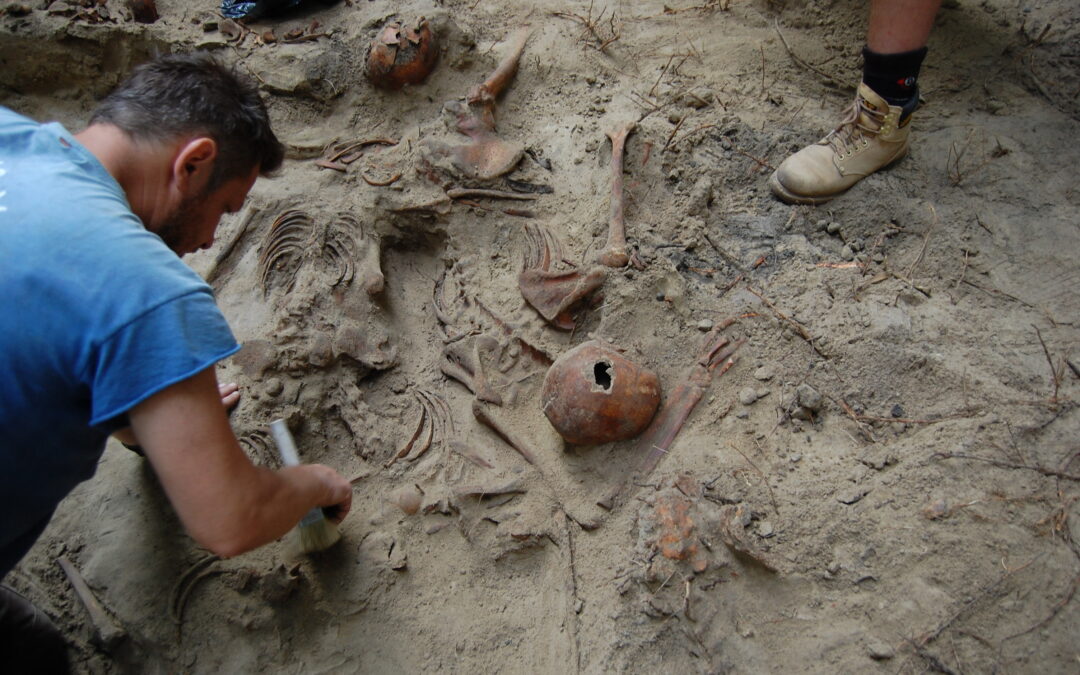
The Volhynia massacres saw Ukrainian nationalists kill tens of thousands of ethnic Polish civilians during World War Two.
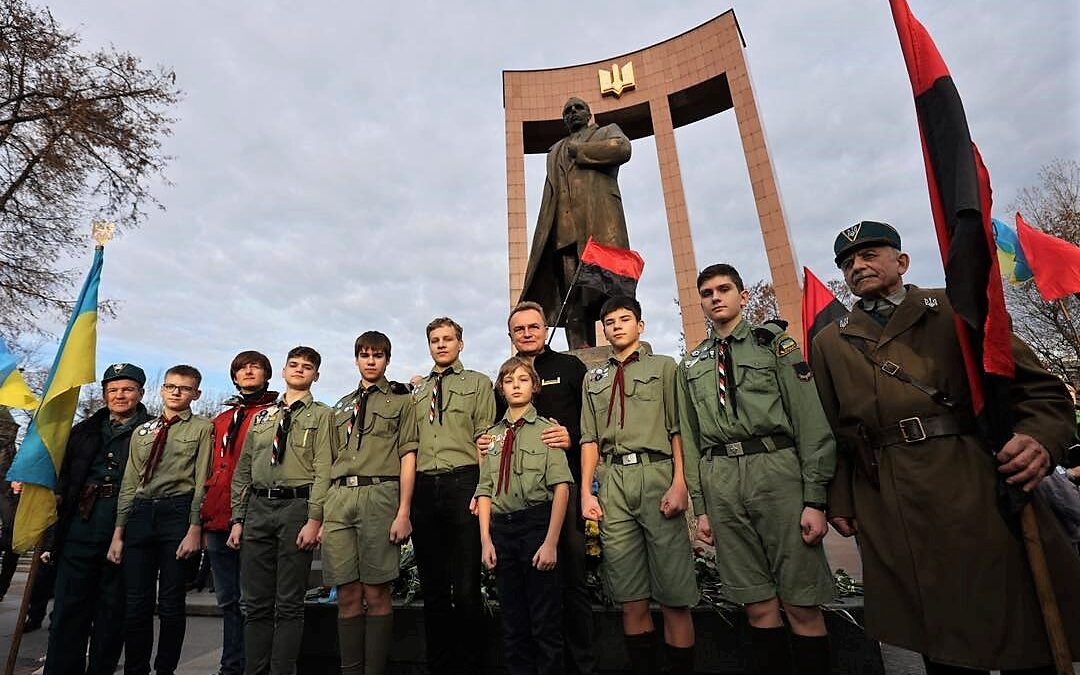
“We are extremely critical towards any glorification or even remembrance of Bandera,” said Prime Minister Mateusz Morawiecki.
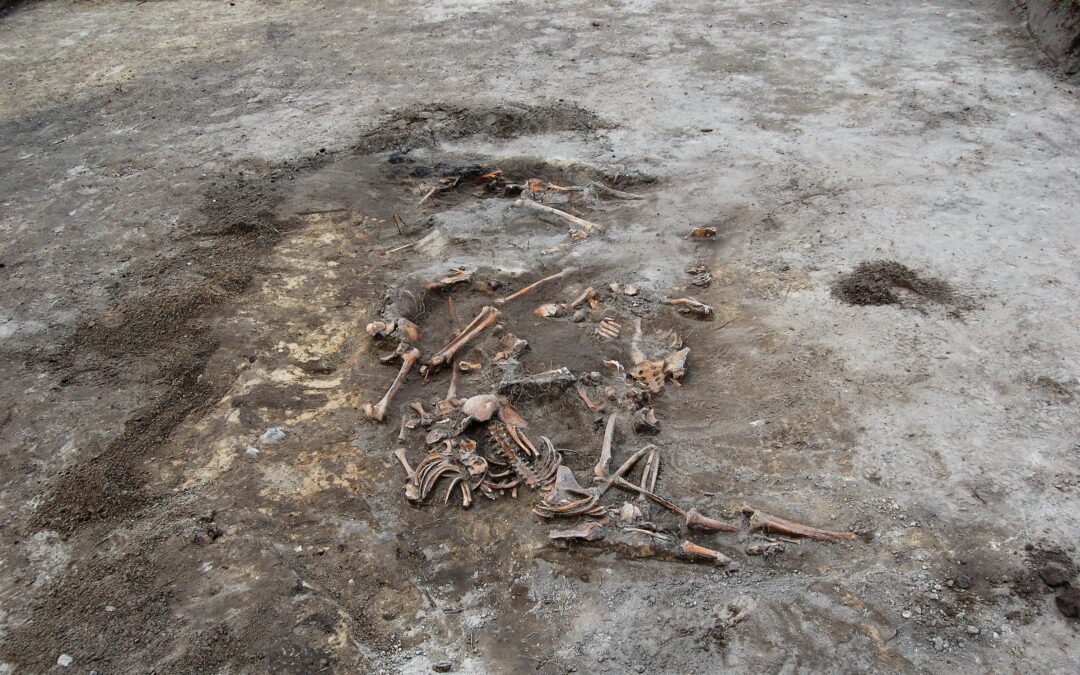
The massacres in Volhynia and Eastern Galicia – and the remains of victims – have long been a source of tension between Poland and Ukraine.
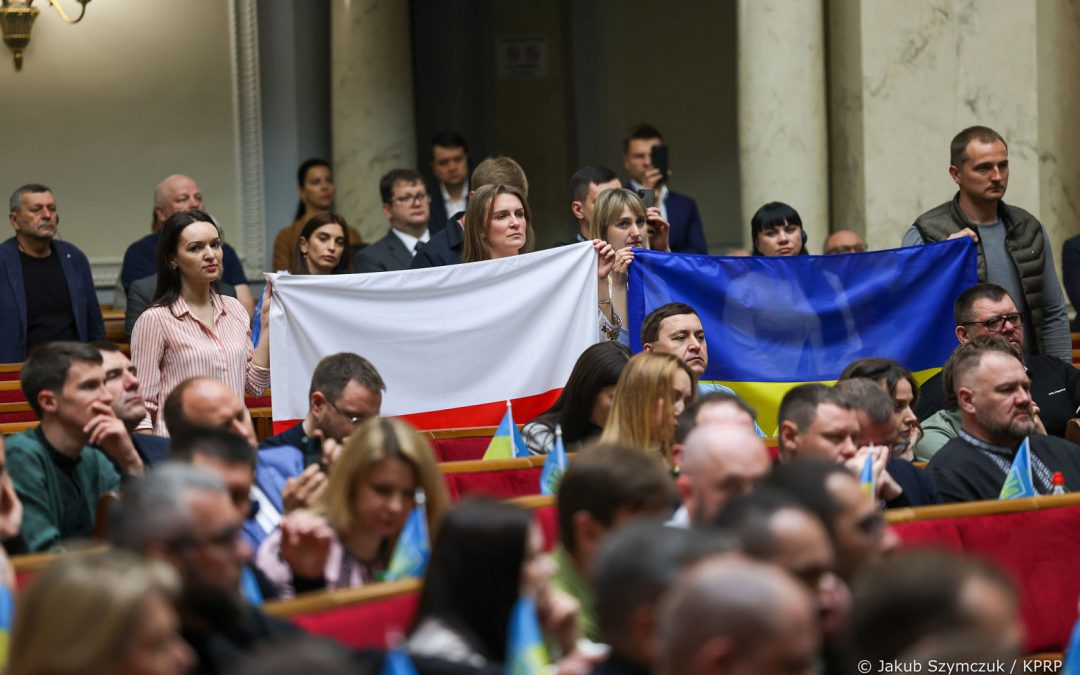
Some 83% of Ukrainians surveyed have a good or very good opinion of Poles.

Notes from Poland is run by a small editorial team and published by an independent, non-profit foundation that is funded through donations from our readers. We cannot do what we do without your support.
managing editor
Agnieszka Wądołowska is managing editor of Notes from Poland. She has previously worked for Gazeta.pl and Tokfm.pl and contributed to Gazeta Wyborcza, Wysokie Obcasy, Duży Format, Midrasz and Kultura Liberalna”

contributing editorial assistant
Weronika Strzyżyńska is currently studying journalism at Goldsmiths as a Scott Trust Bursary recipient. She has written on issues immigration and Brexit for New Statesman and Prospect
ARTICLES BY THIS AUTHOR

contributing writer
advisory board member
Associate Professor at the Institute of Political Studies of the Polish Academy of Science, member of the Polish parliaments
advisory board member
Executive Director of Taube Family Foundation

advisory board member
Senior Research Fellow at the Global Europe Centre, University of Kent.
advisory board member
Professor at the Institute of History of the Jagiellonian University
advisory board member
Professor of European Studies at Oxford University
advisory board member
advisory board member
assistant editor

author

deputy editor

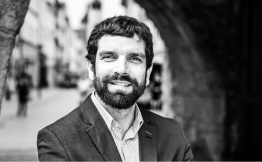
founder, editor-at-large
Stanley Bill is the founder and editor-at-large of Notes from Poland.
He is also Senior Lecturer in Polish Studies and Director of the Polish Studies Programme at the University of Cambridge, where he works on Polish culture, politics and history.
Stanley has spent more than ten years living in Poland, mostly based in Kraków and Bielsko-Biała. He founded Notes from Poland in 2014 as a blog dedicated to personal impressions, cultural analysis and political commentary. He is committed to the promotion of deeper knowledge and understanding of Poland.
He is the Chair of the Board of the Notes from Poland Foundation.
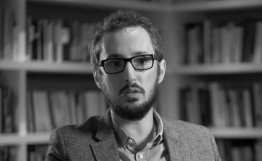
editor-in-chief
Daniel Tilles is editor-in-chief of Notes from Poland and assistant professor of history at the Pedagogical University of Krakow. He has written on Polish affairs for a wide range of publications, including Foreign Policy, POLITICO Europe, The Independent and Dziennik Gazeta Prawna.

