His comments sparked outrage among opposition politicians as well as the head of President Nawrocki’s foreign-policy office.
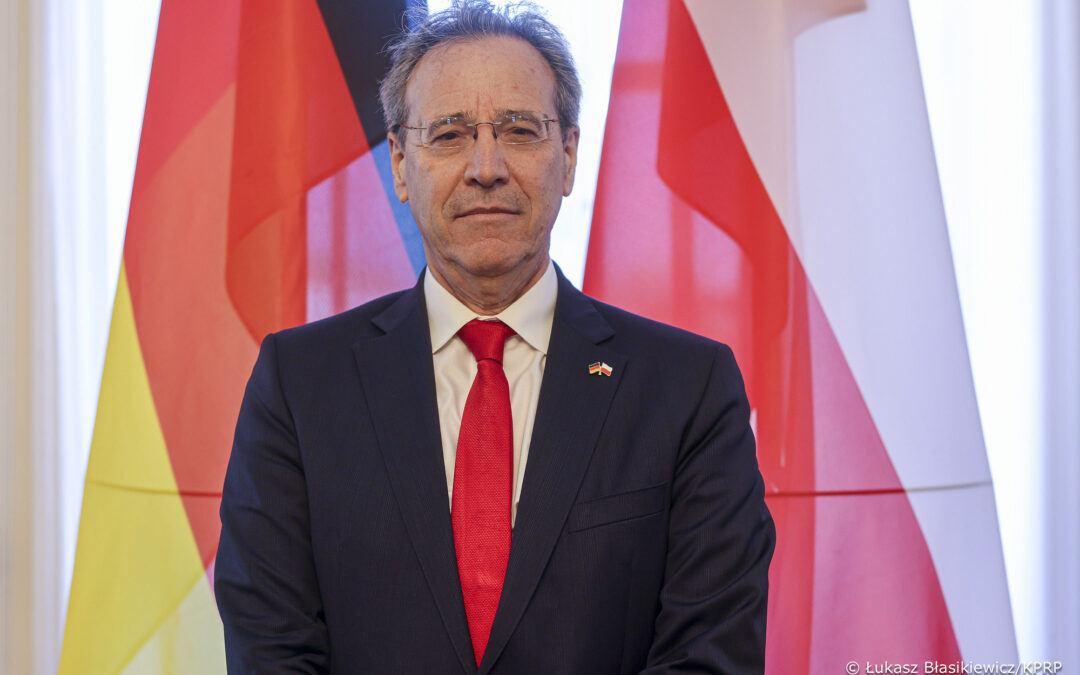

His comments sparked outrage among opposition politicians as well as the head of President Nawrocki’s foreign-policy office.
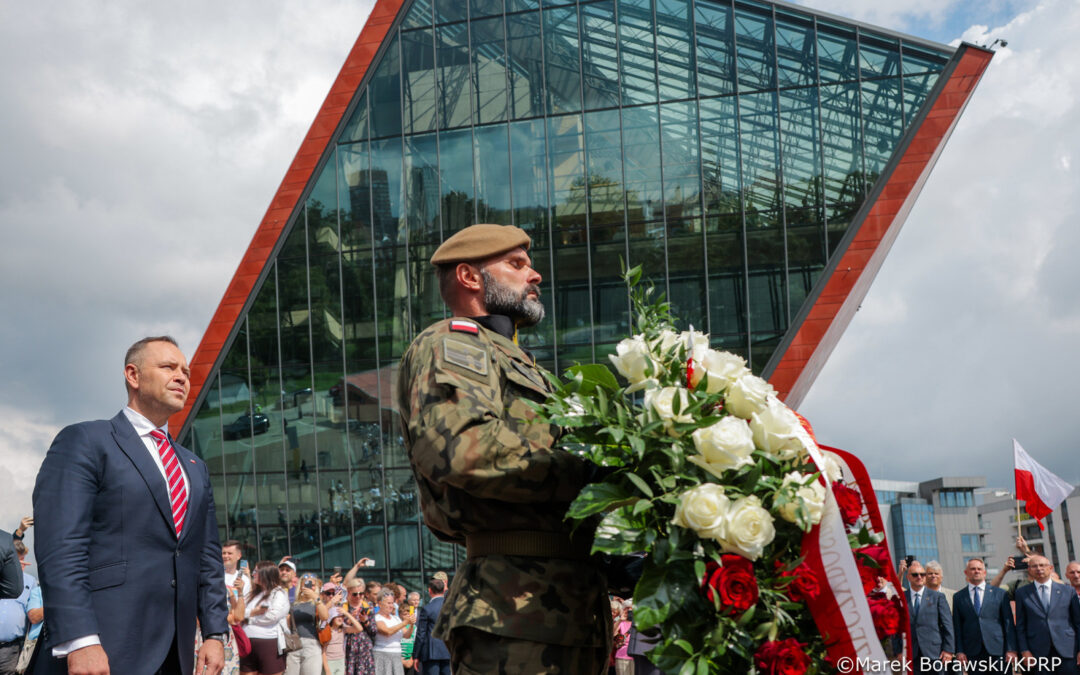
Karol Nawrocki has appointed his former PhD supervisor, Grzegorz Berendt, to the position.
We are an independent, nonprofit media outlet, funded through the support of our readers.
If you appreciate the work we do, please consider helping us to continue and expand it.
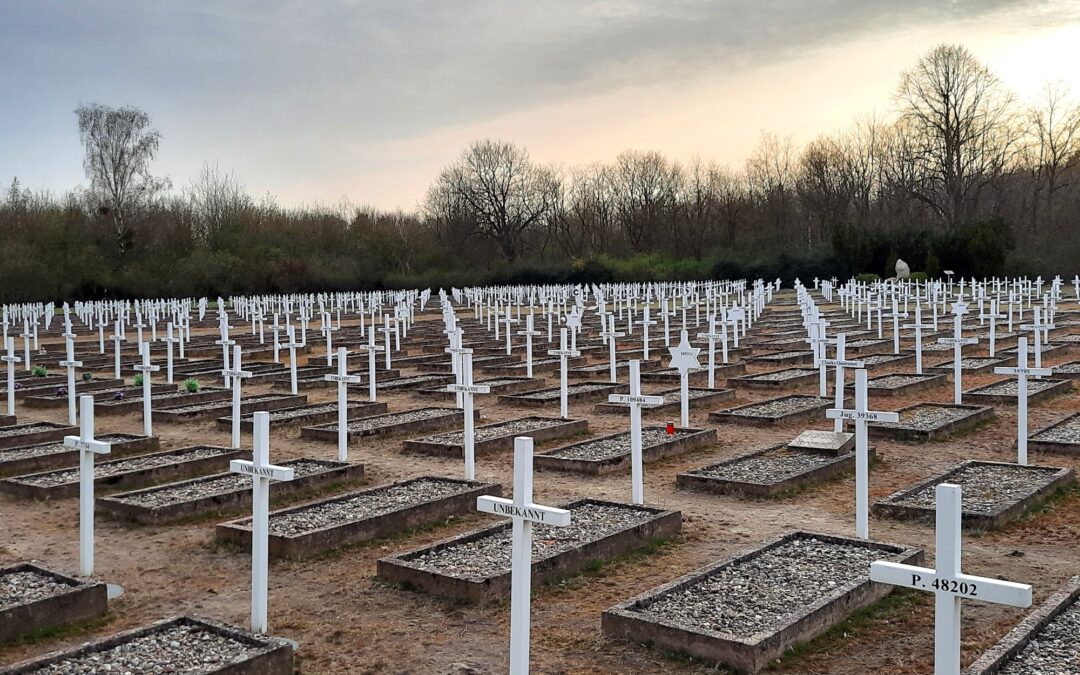
Over 1,000 slave labourers – the largest number of whom were Poles – were burned alive in a barn in the German town of Gardelegen on 13 April 1945.
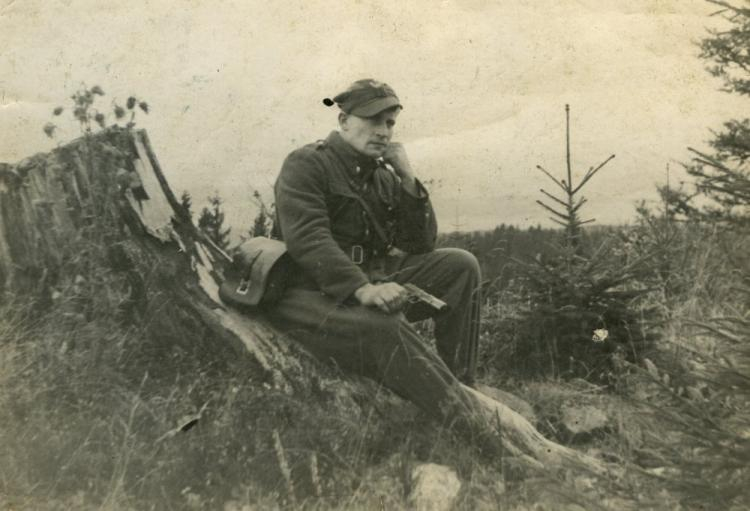
Józef Kuraś, known by his nom-de-guerre Ogień, is regarded by many as a national hero but has also been accused of war crimes.
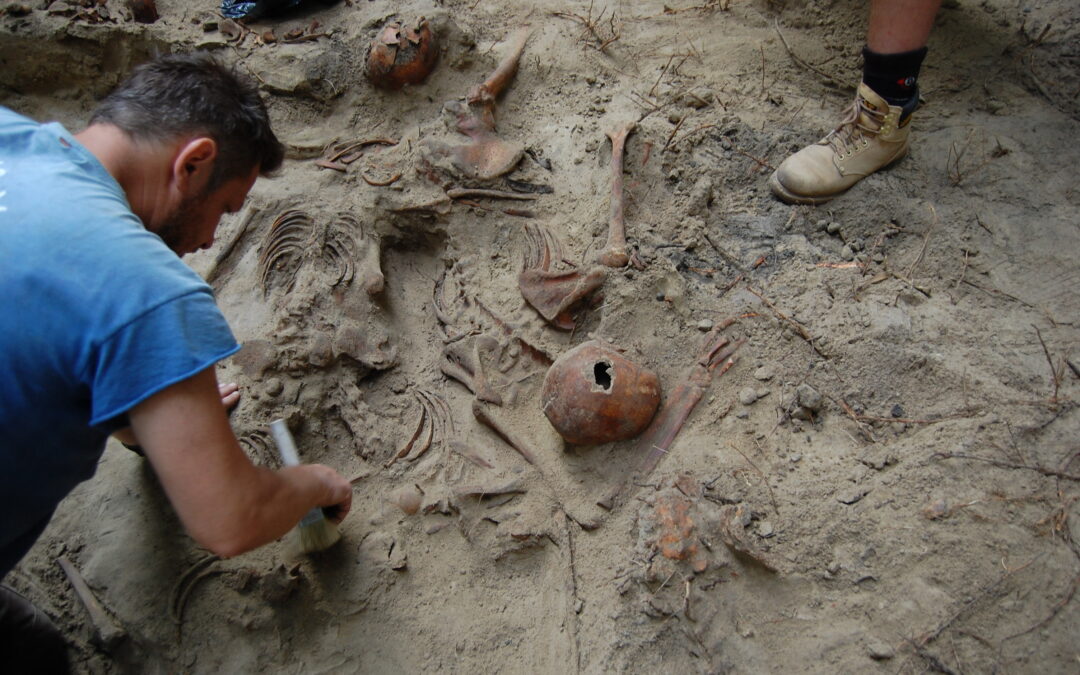
The Volhynia massacres saw Ukrainian nationalists kill tens of thousands of ethnic Polish civilians during World War Two.
Agnieszka Wądołowska
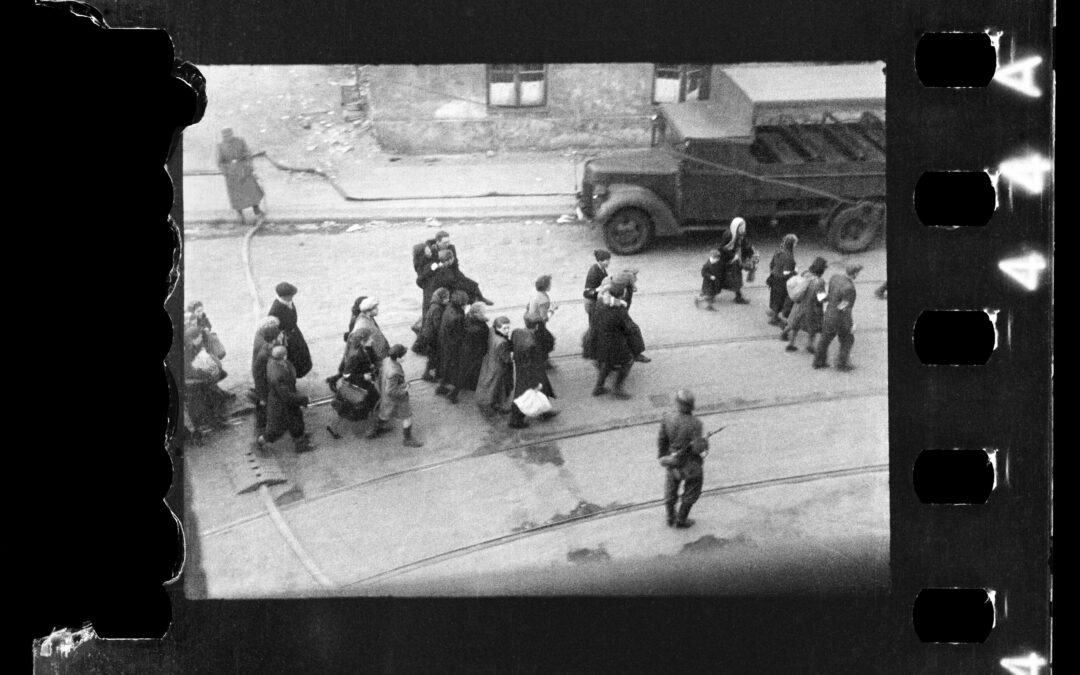
The images are the only ones known to have been taken by a non-German source during the uprising.
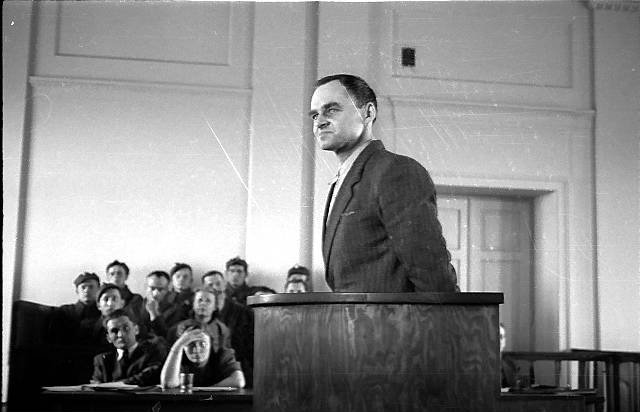
Witold Pilecki deliberately had himself imprisoned at Auschwitz to organise resistance and gather intelligence there.
Stanley Bill talks with PiS MP Arkadiusz Mularczyk about Poland’s claims for war compensation from Germany.
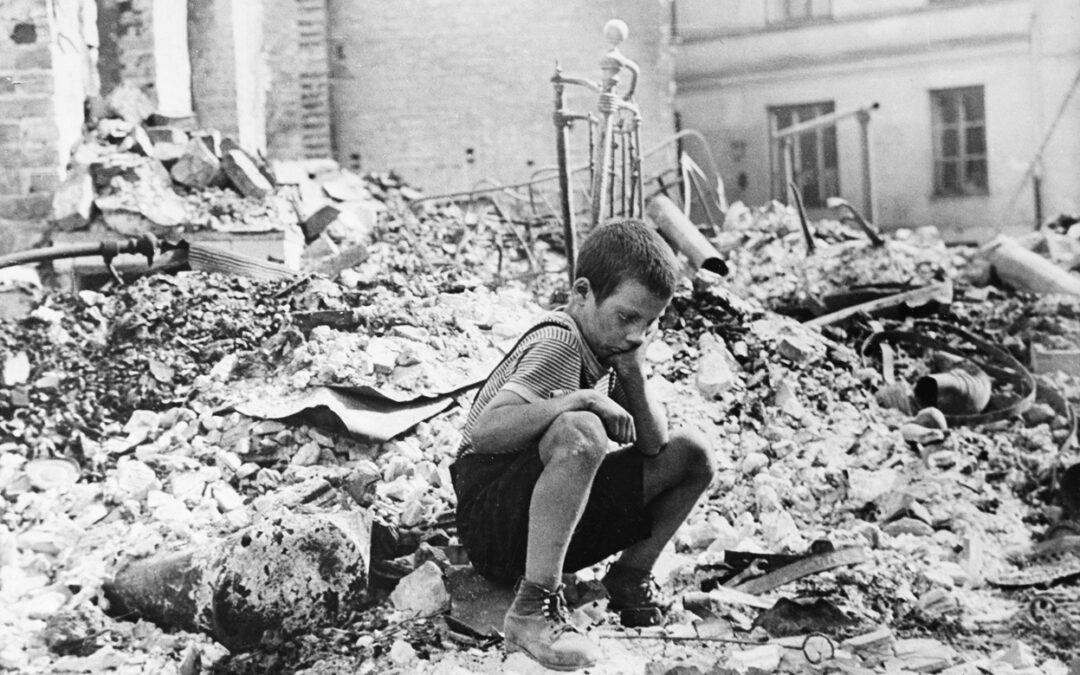
Reparations “will allow Polish-German relations to be based on justice and truth and will lead to the closing of painful chapters in the past”, says Poland.
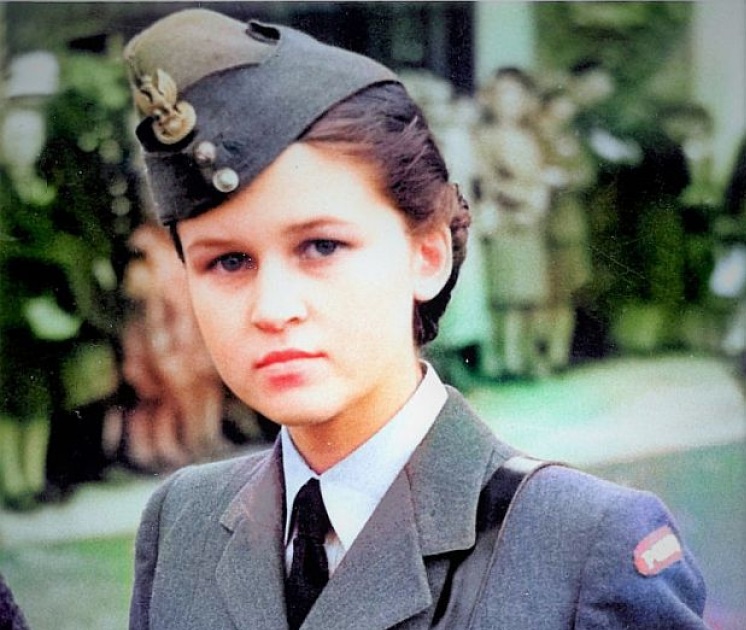
Poland’s state historical body, the IPN, last year appealed for help identifying the woman in the 1943 photograph.
Aleksandra Janiszewska-Cardone
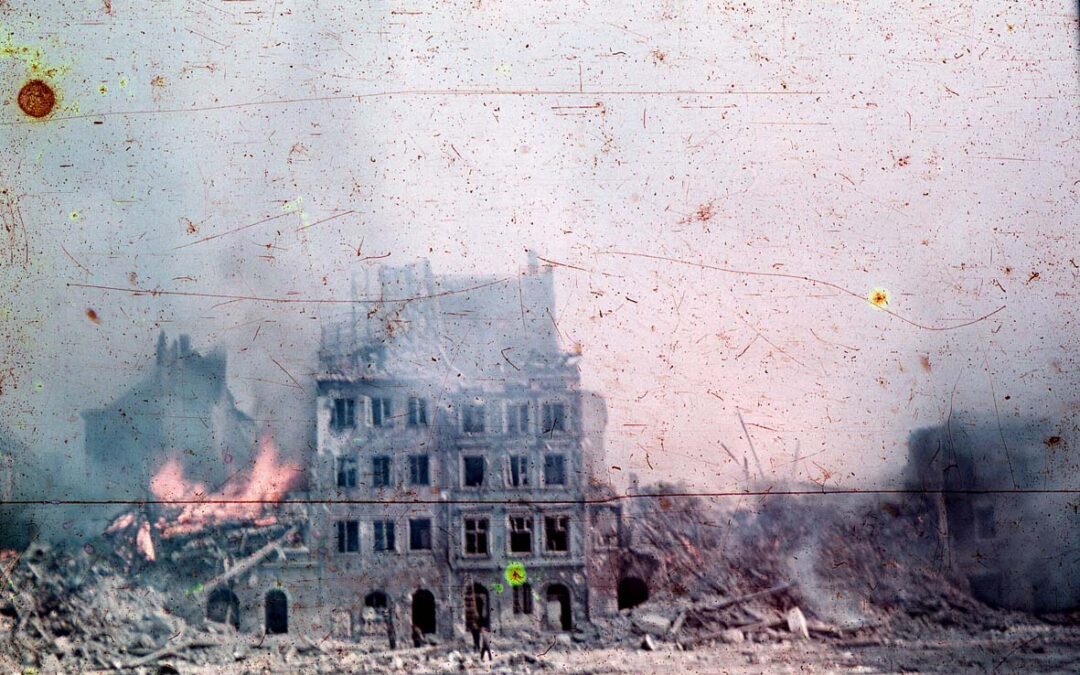
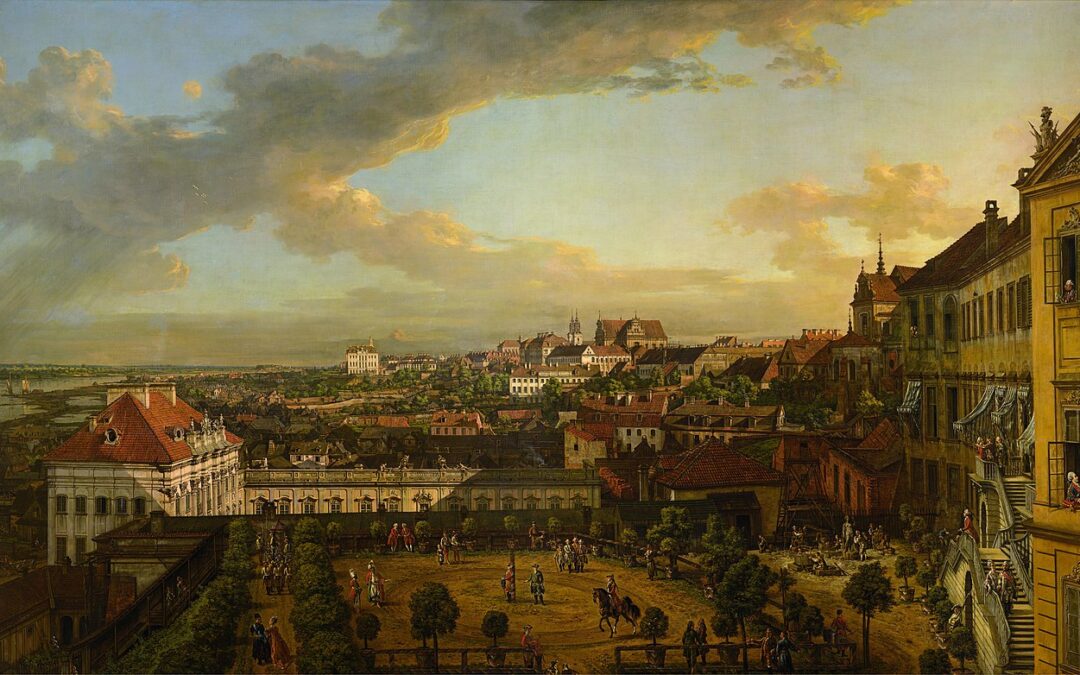
Bernardo Bellotto, also known as Canaletto, painted detailed views of Warsaw which were crucial in the rebuilding process.
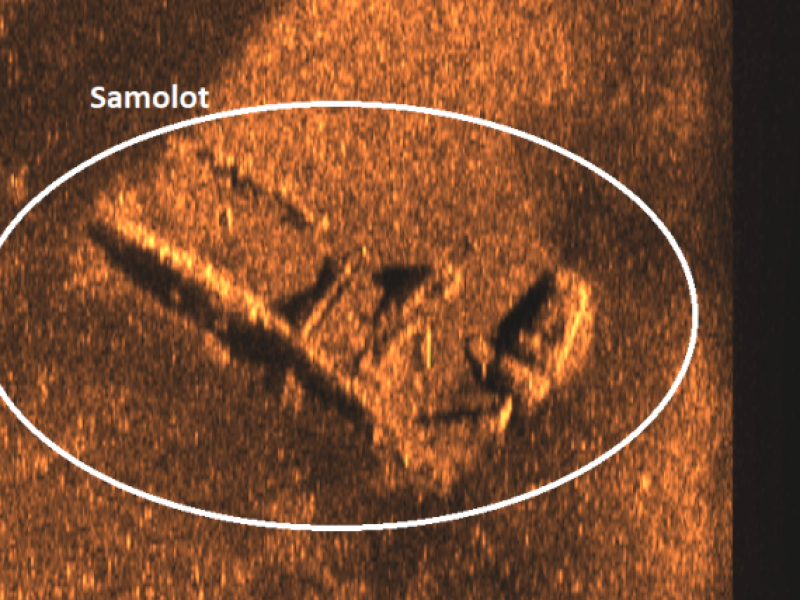
The wreckage of the B-17 Flying Fortress may contain the remains of three crew whose bodies were never recovered.
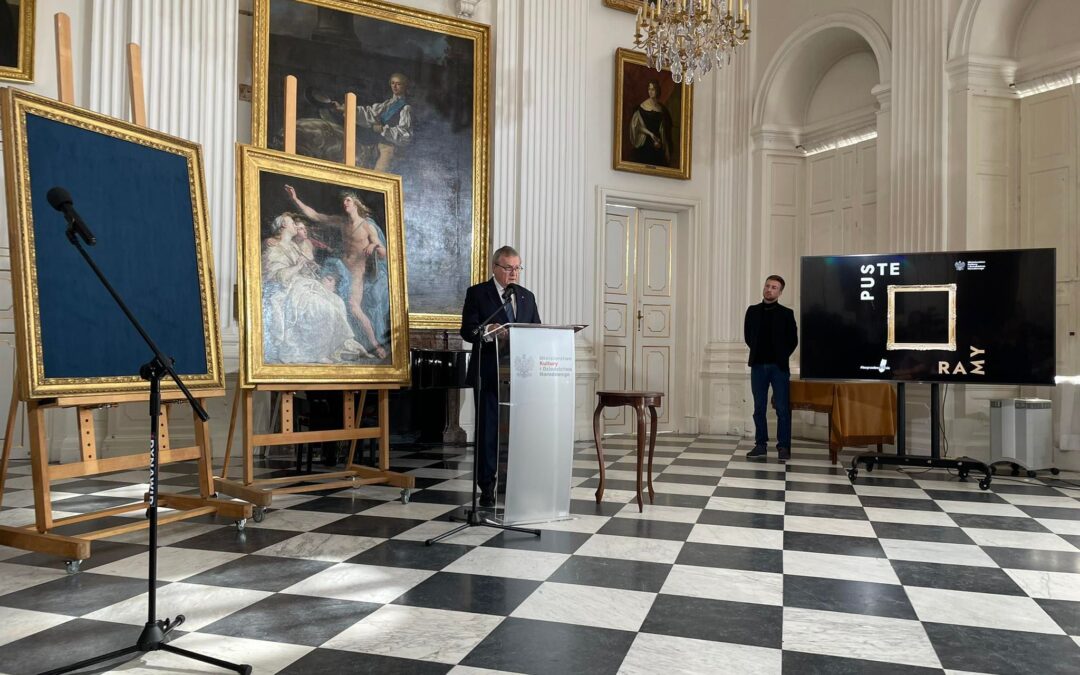
Hundreds of thousands of works of art and other cultural items remain missing after disappearing during the war.
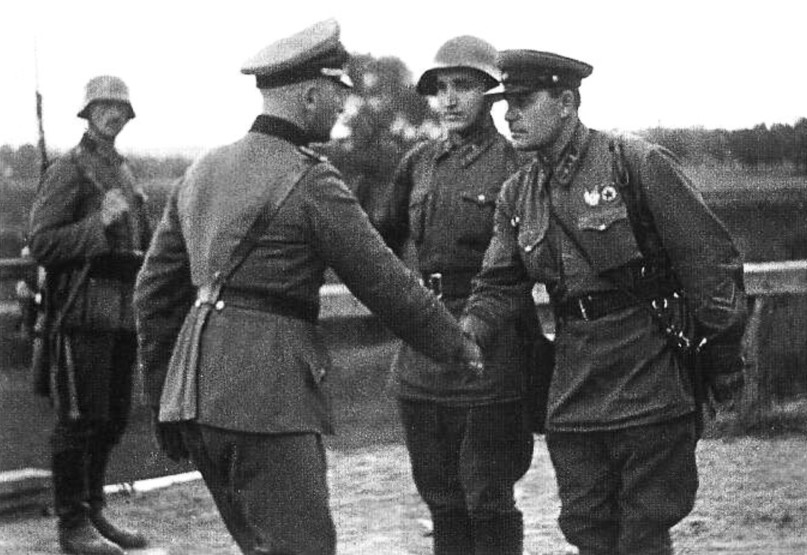
The “then allied Germany and USSR” oversaw “occupation, systematic genocide and mass deportations of Polish citizens”, says KO.

Notes from Poland is run by a small editorial team and published by an independent, non-profit foundation that is funded through donations from our readers. We cannot do what we do without your support.
managing editor
Agnieszka Wądołowska is managing editor of Notes from Poland. She has previously worked for Gazeta.pl and Tokfm.pl and contributed to Gazeta Wyborcza, Wysokie Obcasy, Duży Format, Midrasz and Kultura Liberalna”
contributing editorial assistant
Weronika Strzyżyńska is currently studying journalism at Goldsmiths as a Scott Trust Bursary recipient. She has written on issues immigration and Brexit for New Statesman and Prospect
ARTICLES BY THIS AUTHOR
contributing writer
advisory board member
Associate Professor at the Institute of Political Studies of the Polish Academy of Science, member of the Polish parliaments
advisory board member
Executive Director of Taube Family Foundation
advisory board member
Senior Research Fellow at the Global Europe Centre, University of Kent.
advisory board member
Professor at the Institute of History of the Jagiellonian University
advisory board member
Professor of European Studies at Oxford University
advisory board member
advisory board member
assistant editor
author

deputy editor

founder, editor-at-large
Stanley Bill is the founder and editor-at-large of Notes from Poland.
He is also Senior Lecturer in Polish Studies and Director of the Polish Studies Programme at the University of Cambridge, where he works on Polish culture, politics and history.
Stanley has spent more than ten years living in Poland, mostly based in Kraków and Bielsko-Biała. He founded Notes from Poland in 2014 as a blog dedicated to personal impressions, cultural analysis and political commentary. He is committed to the promotion of deeper knowledge and understanding of Poland.
He is the Chair of the Board of the Notes from Poland Foundation.
editor-in-chief
Daniel Tilles is editor-in-chief of Notes from Poland and assistant professor of history at the Pedagogical University of Krakow. He has written on Polish affairs for a wide range of publications, including Foreign Policy, POLITICO Europe, The Independent and Dziennik Gazeta Prawna.

