The speaker of parliament made the decision despite the current authorities regarding the body as illegitimate in its current form.
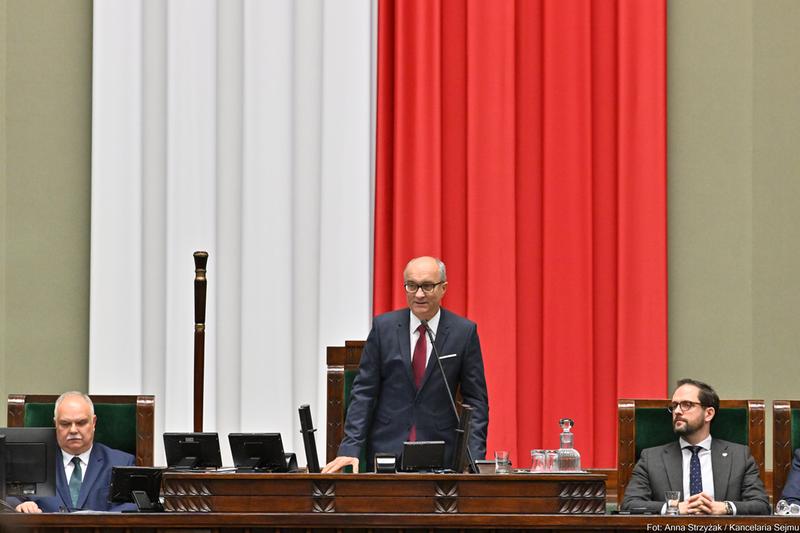

The speaker of parliament made the decision despite the current authorities regarding the body as illegitimate in its current form.
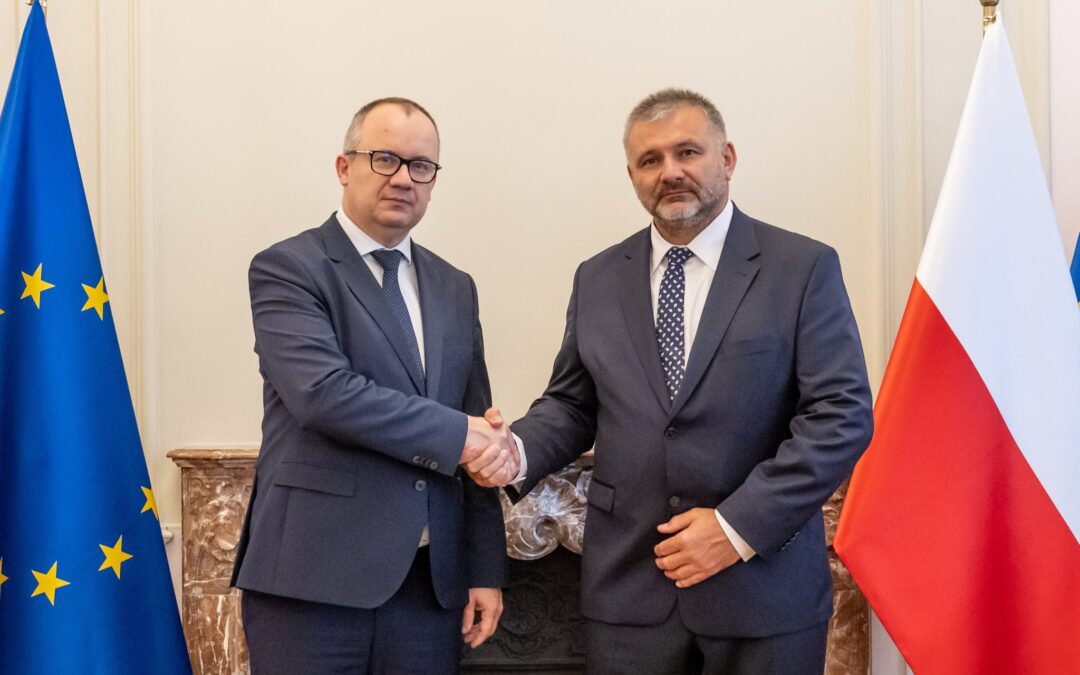
It found that the current and former justice ministers acted “without a proper legal basis”.
We are an independent, nonprofit media outlet, funded through the support of our readers.
If you appreciate the work we do, please consider helping us to continue and expand it.
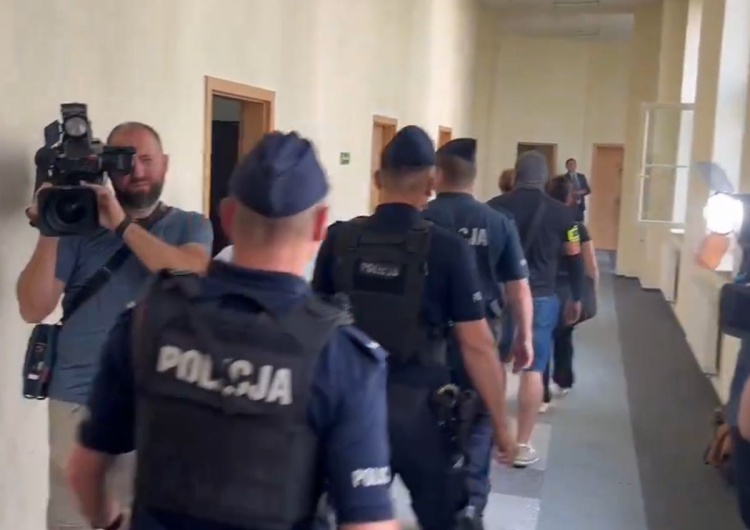
“This is an unprecedented attack on judicial independence,” says an opposition MP.
![International scrutiny of Poland must continue under the Tusk government [Opinion]](https://notesfrompoland.com/wp-content/uploads/2024/06/53736746078_abc6f32cc2_o-1080x675.jpg)
Daniel Tilles
It must be held to the same standards as the former PiS administration.
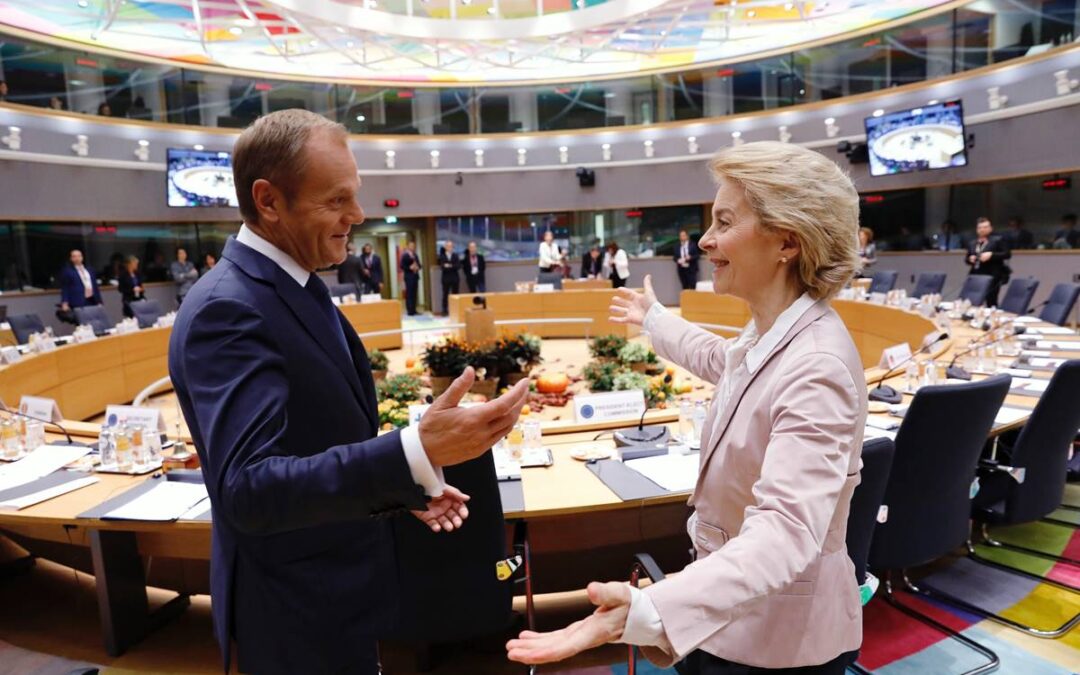
The European Commission “considers that there is no longer a clear risk of a serious breach of the rule of law in Poland”.
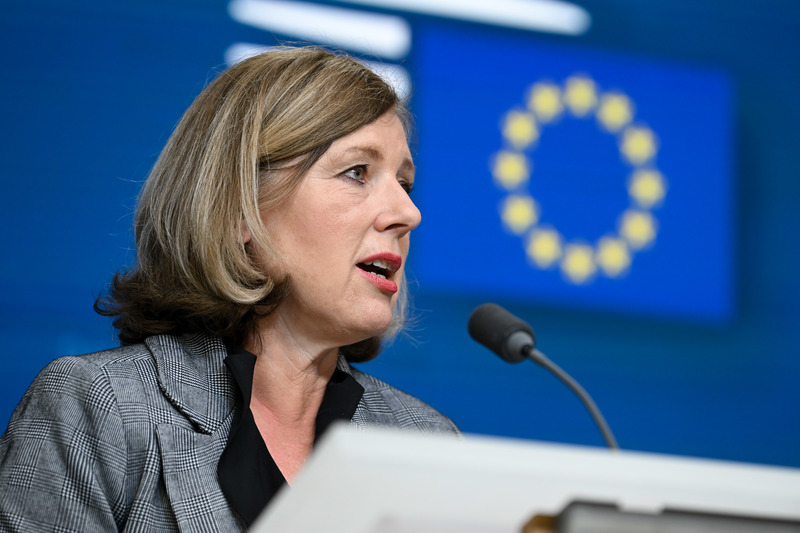
The decision is evidence of how Brussels uses rule-of-law issues as a “tool of political blackmail”, says Hungary.
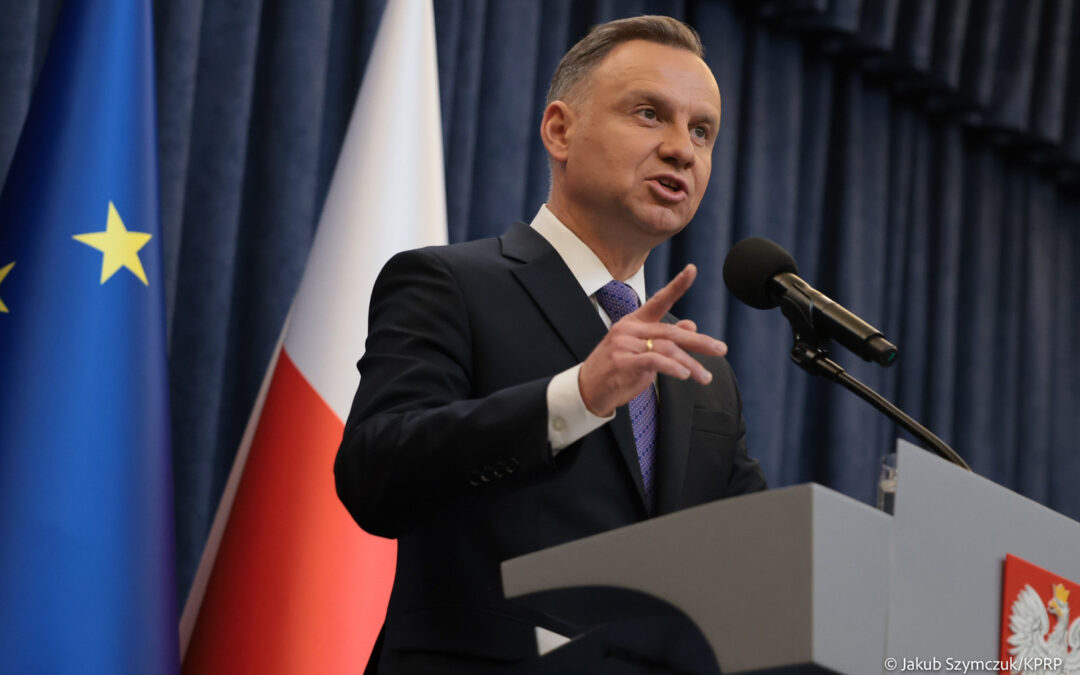
He wants Andrzej Duda to apologise for “unlawful interference with his right, as a citizen of Poland, to live in a democratic state governed by the rule of law”.
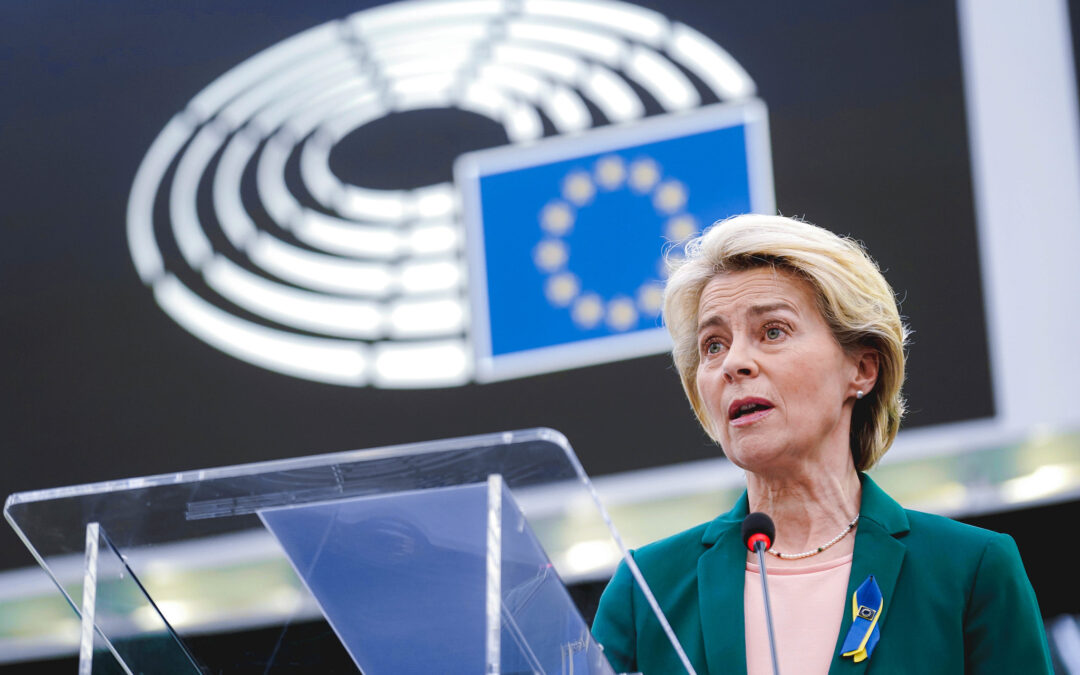
“There is no longer a clear risk of a serious breach of the rule of law in Poland,” says the European Commission.

The EU has transferred almost almost 27 billion zloty (€6.3 billion) to Poland.
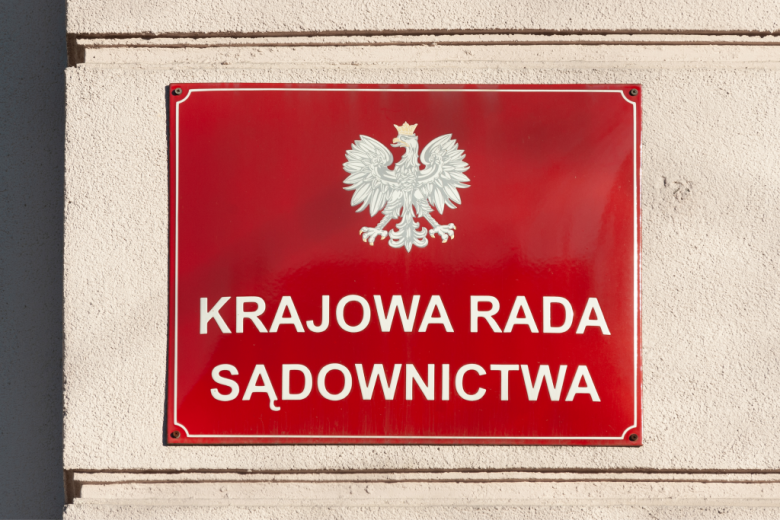
The National Council of the Judiciary (KRS) was at the heart of the rule-of-law crisis that emerged under PiS’s eight-year rule.
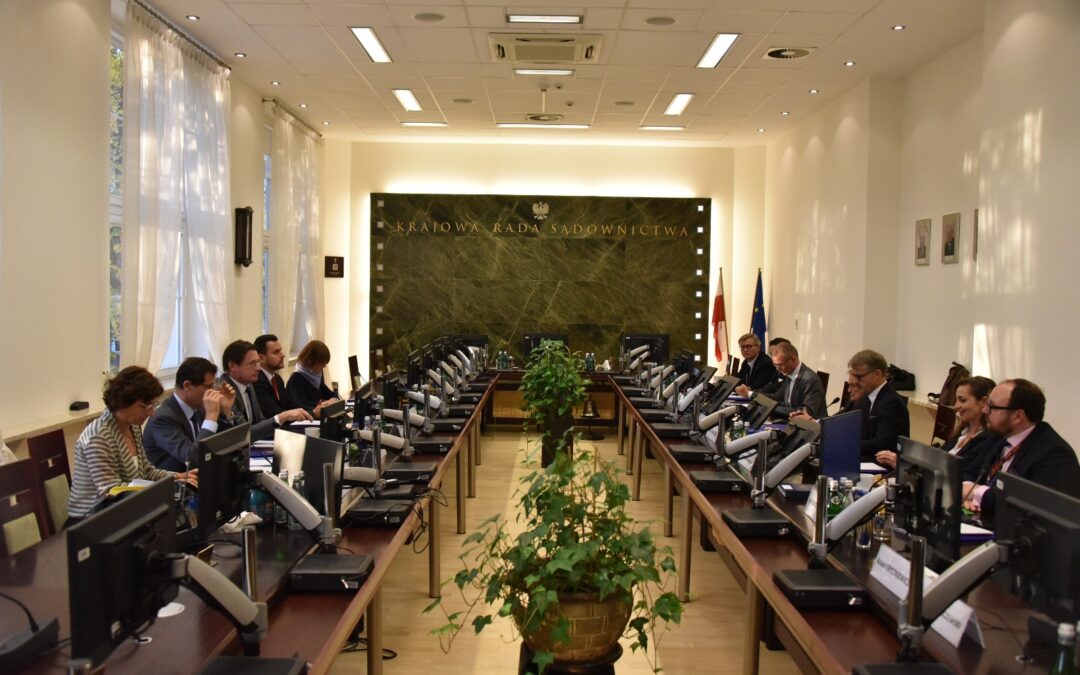
Some of the changes, such as taking away the right of citizens to nominate candidates, have been heavily criticised.
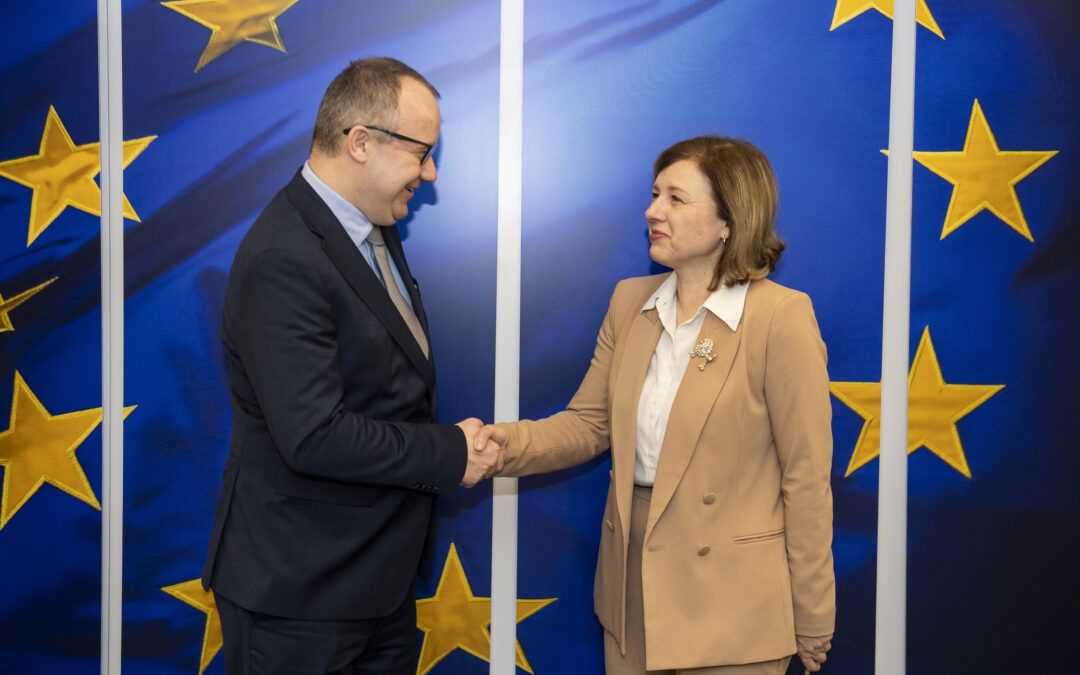
Poland’s justice minister presented in Brussels an action plan to restore the rule of law in Poland.
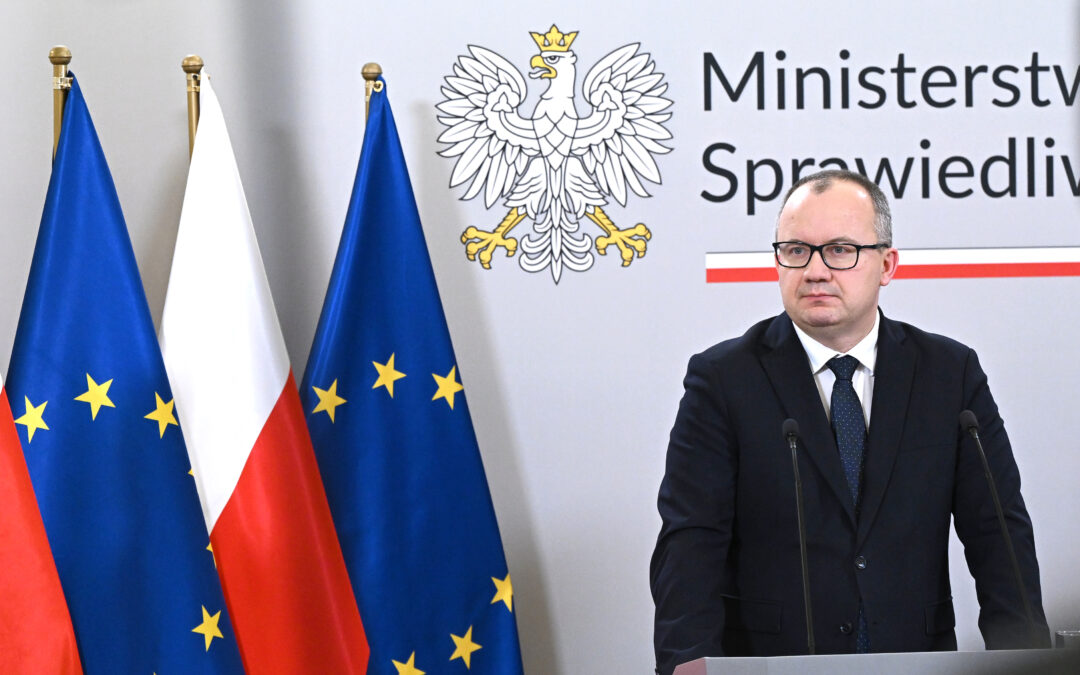
Meanwhile, the prosecutor general announced that he does not recognise as legitimate an order by the constitutional court to suspend the move.
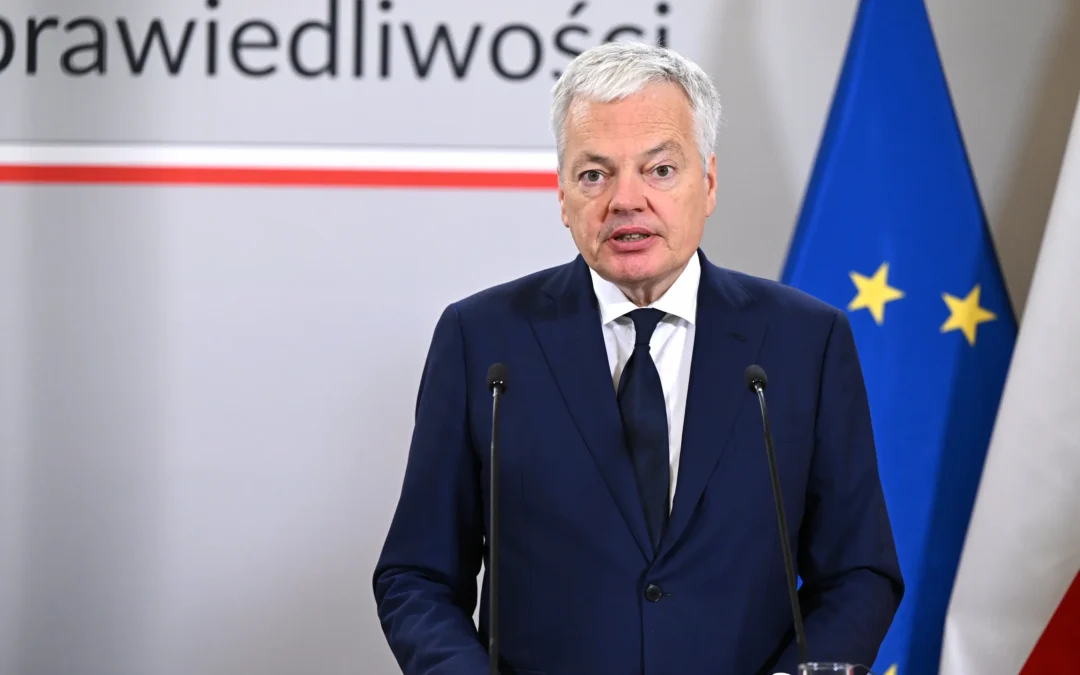
Didier Reynders met with new Polish justice minister Adam Bodnar.

Notes from Poland is run by a small editorial team and published by an independent, non-profit foundation that is funded through donations from our readers. We cannot do what we do without your support.
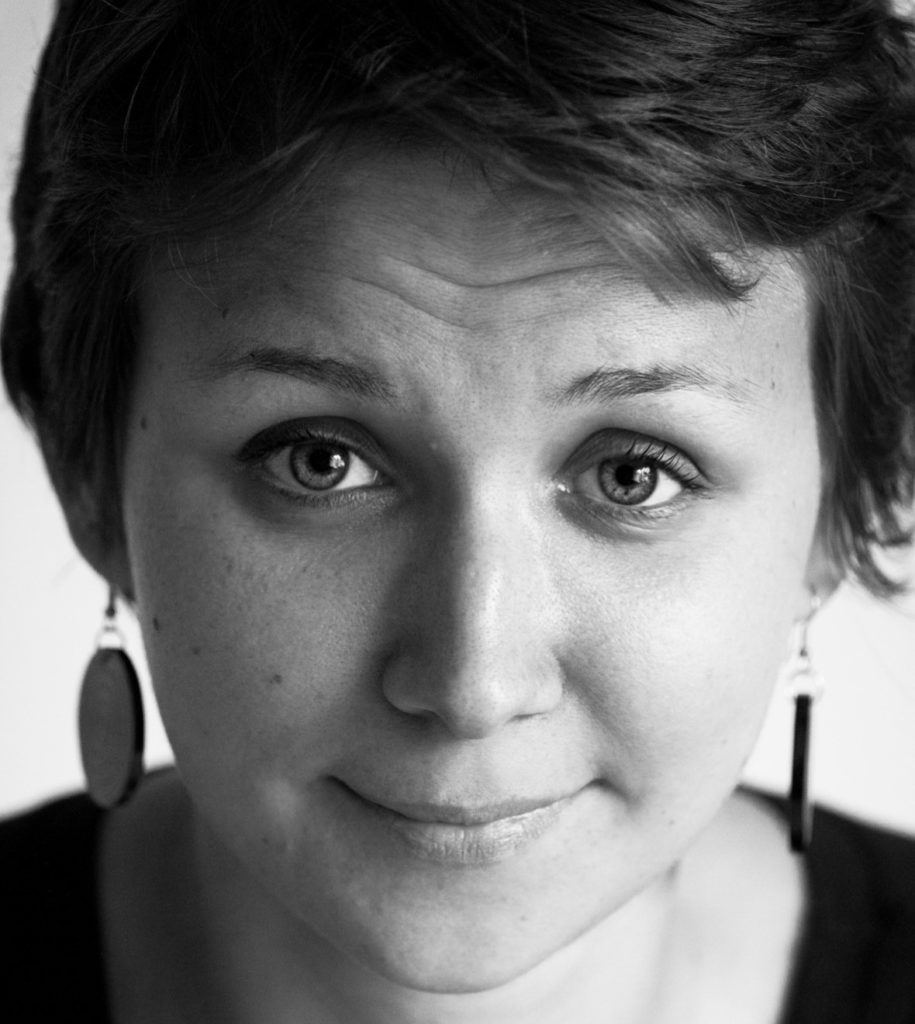
managing editor
Agnieszka Wądołowska is managing editor of Notes from Poland. She has previously worked for Gazeta.pl and Tokfm.pl and contributed to Gazeta Wyborcza, Wysokie Obcasy, Duży Format, Midrasz and Kultura Liberalna”

contributing editorial assistant
Weronika Strzyżyńska is currently studying journalism at Goldsmiths as a Scott Trust Bursary recipient. She has written on issues immigration and Brexit for New Statesman and Prospect
ARTICLES BY THIS AUTHOR

contributing writer
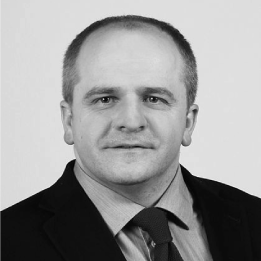
advisory board member
Associate Professor at the Institute of Political Studies of the Polish Academy of Science, member of the Polish parliaments

advisory board member
Executive Director of Taube Family Foundation

advisory board member
Senior Research Fellow at the Global Europe Centre, University of Kent.
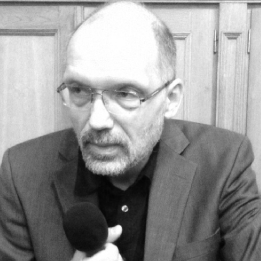
advisory board member
Professor at the Institute of History of the Jagiellonian University
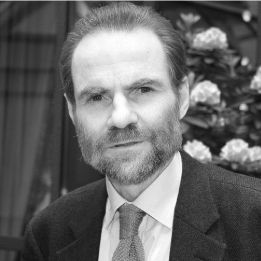
advisory board member
Professor of European Studies at Oxford University
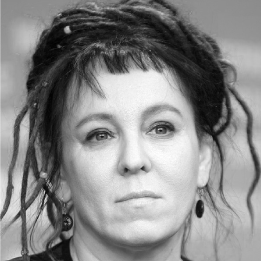
advisory board member
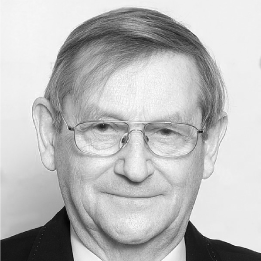
advisory board member

assistant editor

author

deputy editor


founder, editor-at-large
Stanley Bill is the founder and editor-at-large of Notes from Poland.
He is also Senior Lecturer in Polish Studies and Director of the Polish Studies Programme at the University of Cambridge, where he works on Polish culture, politics and history.
Stanley has spent more than ten years living in Poland, mostly based in Kraków and Bielsko-Biała. He founded Notes from Poland in 2014 as a blog dedicated to personal impressions, cultural analysis and political commentary. He is committed to the promotion of deeper knowledge and understanding of Poland.
He is the Chair of the Board of the Notes from Poland Foundation.
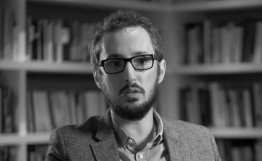
editor-in-chief
Daniel Tilles is editor-in-chief of Notes from Poland and assistant professor of history at the Pedagogical University of Krakow. He has written on Polish affairs for a wide range of publications, including Foreign Policy, POLITICO Europe, The Independent and Dziennik Gazeta Prawna.

