GDP per capita adjusted for cost of living has reached 81% of the EU average, up from 44% three decades ago.


GDP per capita adjusted for cost of living has reached 81% of the EU average, up from 44% three decades ago.

Poland’s population fell by over 123,000 last year, a trend that is forecast to continue in coming decades.
We are an independent, nonprofit media outlet, funded through the support of our readers.
If you appreciate the work we do, please consider helping us to continue and expand it.

House prices rose by an annual 10.4% in Q4 2024, down from 14.4% in Q3 and 18% in Q1.

At 2.6%, Poland’s unemployment rate was well below the EU average of 5.8%.

Whereas inflation has slowed across the EU, in Poland it has remained high after the government partially unfroze energy prices in July.

“We are better than all the big EU countries, and we beat the Germans by a long shot,” declared Prime Minister Donald Tusk.
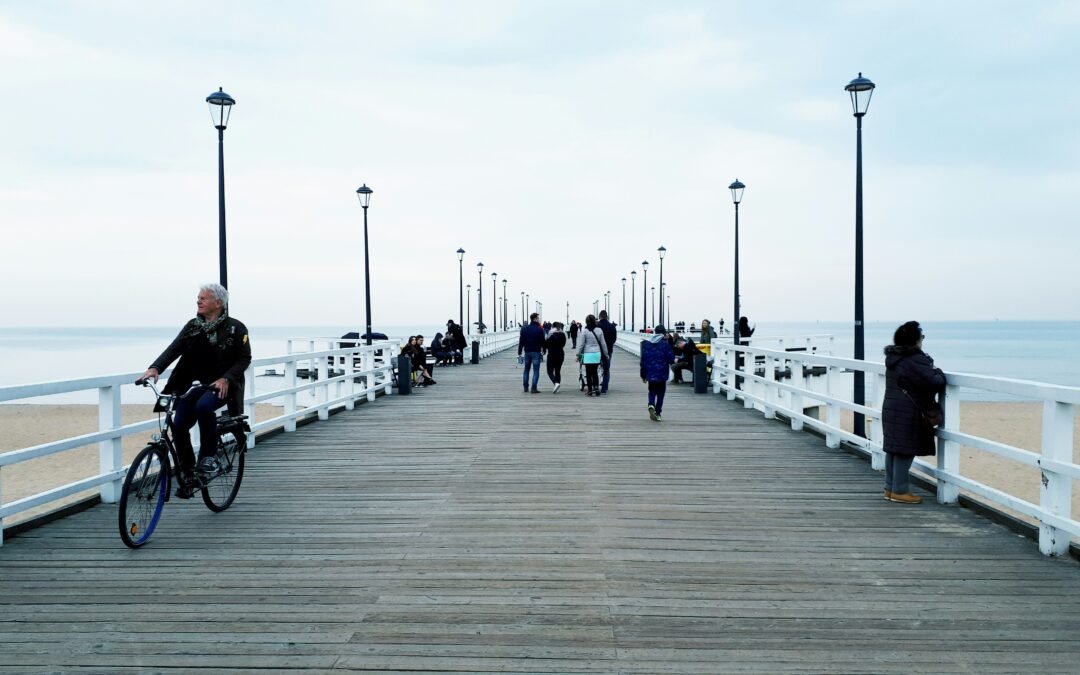
By contrast, most EU countries saw their populations increase last year.
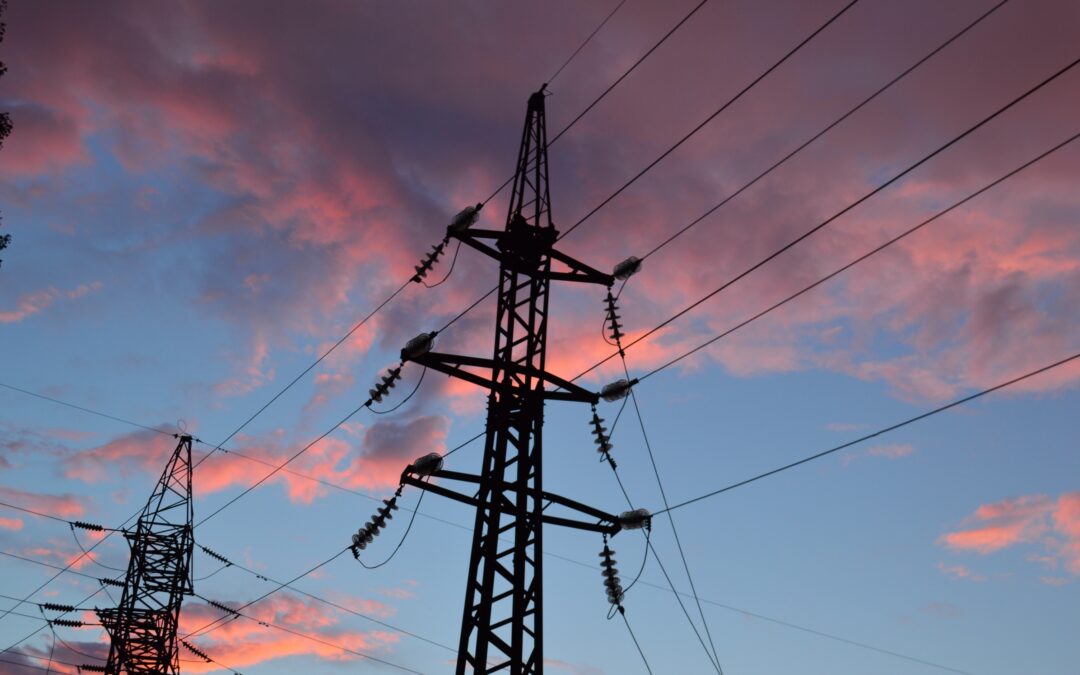
The new figures come as the climate minister today announced that she had approved a rise in the cap on electricity prices.

Prices were up 13% on a year earlier whereas, across the EU as a whole, they remained broadly flat.

It is the first time since Eurostat’s records began that Poland’s savings rate has fallen below zero.

In 2022, Poles worked 40.4 hours a week on average, compared to 37.5 hours a week across the EU as a whole.
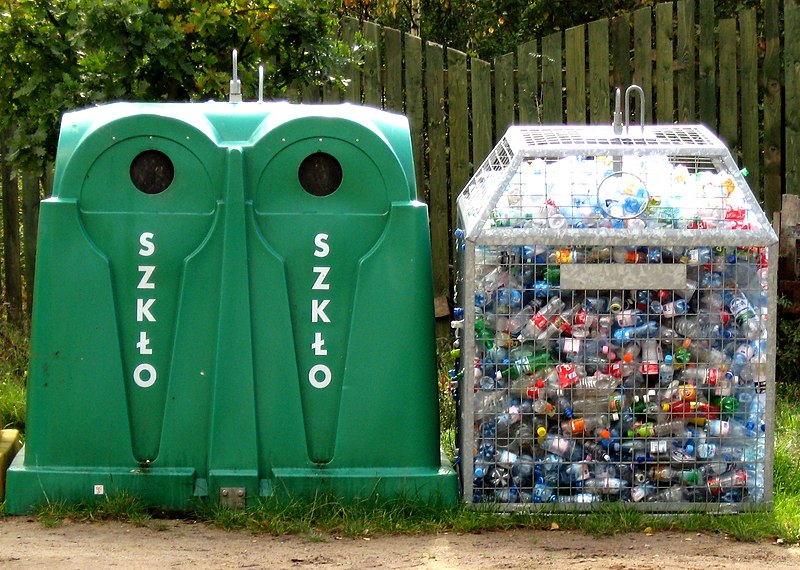
Poland’s municipal recycling rate of 40.3% in 2021 was over three times higher than a decade earlier, though still below the EU average.
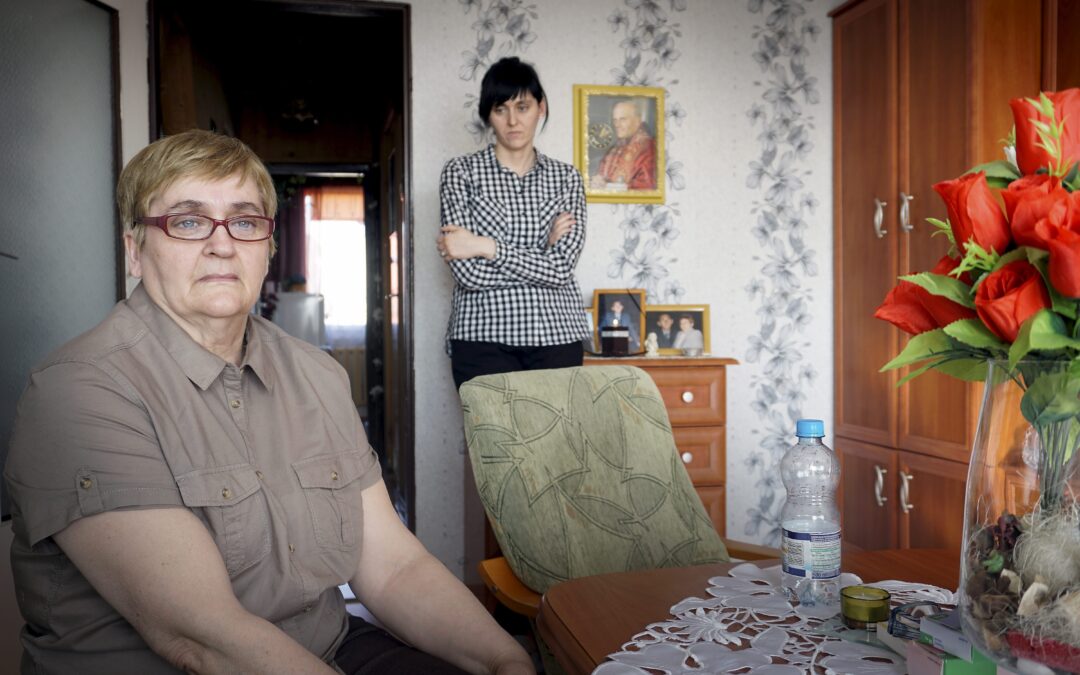
Nearly half of young Poles still living with their parents have a full-time job, which is the second highest proportion in the EU.
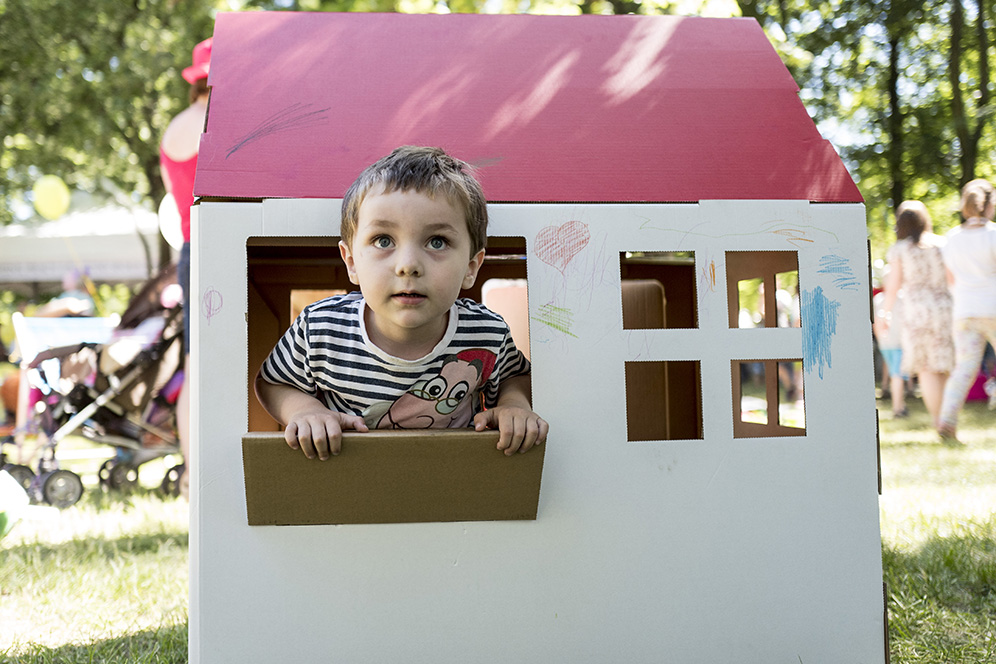
Between 2008 and 2020 Poland went from having the EU’s sixth highest to second lowest level of child deprivation.

Notes from Poland is run by a small editorial team and published by an independent, non-profit foundation that is funded through donations from our readers. We cannot do what we do without your support.
managing editor
Agnieszka Wądołowska is managing editor of Notes from Poland. She has previously worked for Gazeta.pl and Tokfm.pl and contributed to Gazeta Wyborcza, Wysokie Obcasy, Duży Format, Midrasz and Kultura Liberalna”

contributing editorial assistant
Weronika Strzyżyńska is currently studying journalism at Goldsmiths as a Scott Trust Bursary recipient. She has written on issues immigration and Brexit for New Statesman and Prospect
ARTICLES BY THIS AUTHOR

contributing writer

advisory board member
Associate Professor at the Institute of Political Studies of the Polish Academy of Science, member of the Polish parliaments

advisory board member
Executive Director of Taube Family Foundation

advisory board member
Senior Research Fellow at the Global Europe Centre, University of Kent.
advisory board member
Professor at the Institute of History of the Jagiellonian University
advisory board member
Professor of European Studies at Oxford University
advisory board member

advisory board member

assistant editor

author

deputy editor


founder, editor-at-large
Stanley Bill is the founder and editor-at-large of Notes from Poland.
He is also Senior Lecturer in Polish Studies and Director of the Polish Studies Programme at the University of Cambridge, where he works on Polish culture, politics and history.
Stanley has spent more than ten years living in Poland, mostly based in Kraków and Bielsko-Biała. He founded Notes from Poland in 2014 as a blog dedicated to personal impressions, cultural analysis and political commentary. He is committed to the promotion of deeper knowledge and understanding of Poland.
He is the Chair of the Board of the Notes from Poland Foundation.
editor-in-chief
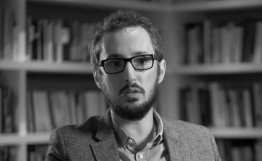
Daniel Tilles is editor-in-chief of Notes from Poland and assistant professor of history at the Pedagogical University of Krakow. He has written on Polish affairs for a wide range of publications, including Foreign Policy, POLITICO Europe, The Independent and Dziennik Gazeta Prawna.
