
Keep our news free from ads and paywalls by making a donation to support our work!

Notes from Poland is run by a small editorial team and is published by an independent, non-profit foundation that is funded through donations from our readers. We cannot do what we do without your support.
Poland has moved forward with plans to require all pet dogs and cats to be microchipped and entered into a new digital registry.
The government says the system will cover around eight million dogs and six million cats within five years, improving their safety, reducing homelessness, and cutting municipal sheltering costs.
Czipowanie psów obowiązkowe w całej Polsce. Sejm przyjął ustawę o KROPiK❗
Obowiązkowe znakowanie wszystkich psów i objęcie systemem także kotów – to najważniejsze rozwiązania przyjętej przez Sejm ustawy o Krajowym Rejestrze Oznakowanych Psów i Kotów (KROPiK). Rejestr docelowo… pic.twitter.com/EDFcN3JnK8
— Ministerstwo Rolnictwa i Rozwoju Wsi (@MRiRW_GOV_PL) April 17, 2026
A bill introducing the new system was approved by the Sejm, the more powerful lower house of parliament, on Friday, with the ruling coalition, which ranges from left to centre right, voting in favour.
However, most MPs from the largest opposition party, the national-conservative Law and Justice (PiS), abstained from voting, while the far-right Confederation (Konfederacja) voted against the legislation.
The bill will now go to the upper-house Senate, which can suggest amendments and delay legislation but not block it. Once approved by parliament, the bill goes to opposition-aligned President Karol Nawrocki, who can sign it into law, veto it, or send it to the constitutional court for review.
Microchipping involves inserting a small device under an animal’s skin. The chip contains a unique ID number that is displayed on a scanner when a lost animal is found, helping match it to its owner in a database.
Chipping is necessary when travelling abroad with pets, while many municipal shelters also tag the animals before adoption. However, there is currently no law in Poland requiring chipping and registration.
The bill seeks to make both mandatory for all dogs and most cats. Exceptions will be made for stray cats, with municipalities deciding whether to chip them, while cats “living freely” on farms will be exempt, according to the bill.
The two services – microchipping and registration – will each cost around 50 zloty (€11.80) and will be paid for by pet owners. Those who fail to comply with the regulations will pay fines ranging from 20 zloty to 5,000 zloty.
Kraków's animal shelter has been left stunned after locals offered homes ahead of a winter freeze to all its dogs kept outdoors.
Even the police, who came to issue tickets to cars parked around the shelter, instead ended up taking a dog to their station https://t.co/aopWsJvfh0
— Notes from Poland 🇵🇱 (@notesfrompoland) January 7, 2024
Pet and owner data will be stored in a new National Register of Marked Dogs and Cats, managed by the agricultural ministry’s Agency for Restructuring and Modernisation (ARiMR).
Local authorities, the police and certain other agencies will have access to the system, as will vets and shelters in a more limited scope. Pet owners will be able to view and update their data via mObywatel, an online portal offering access to state services.
If pets get lost and end up in shelters, owners will have 14 days to pick them up before police are notified. This should reduce animal homelessness and cut costs that municipalities pay for shelters, says the government.
Such costs and others related to animal homelessness have risen from around 125 million zloty in 2012 to 347 million zloty in 2023, according to government figures.
Warsaw last year spent over €350,000 on feeding the almost 30,000 free-roaming cats that live on its streets.
The city regards its feline residents, which help control rodent populations, as an important part of the urban ecosystem https://t.co/DJPIwyDVMx
— Notes from Poland 🇵🇱 (@notesfrompoland) February 17, 2021
Poland’s agriculture minister, Stefan Krajewski, says that pet owners, municipalities and animal care NGOs “have long been waiting” for a solution to the problem. He called the bill “an important step towards streamlining the animal care system in Poland.”
However, Witold Tumanowicz, a Confederation MP, criticised the system for introducing “further bureaucratic obligations” and financial costs, reported the Polish Press Agency (PAP).
PiS MP Krzysztof Ciecióra said that his party would be in favour if certain amendments were introduced, such as a three-year transition period in which registration is free, as well as greater limitations on who has access to the database.
President @NawrockiKn has signed into law a ban on fur farming in Poland, which is one of the world's leading fur producers.
At the same time, he vetoed a bill that would have prohibited keeping dogs on chains at home and introduced minimum kennel sizes https://t.co/OtmY9KdAlG
— Notes from Poland 🇵🇱 (@notesfrompoland) December 2, 2025
Notes from Poland is run by a small editorial team and published by an independent, non-profit foundation that is funded through donations from our readers. We cannot do what we do without your support.
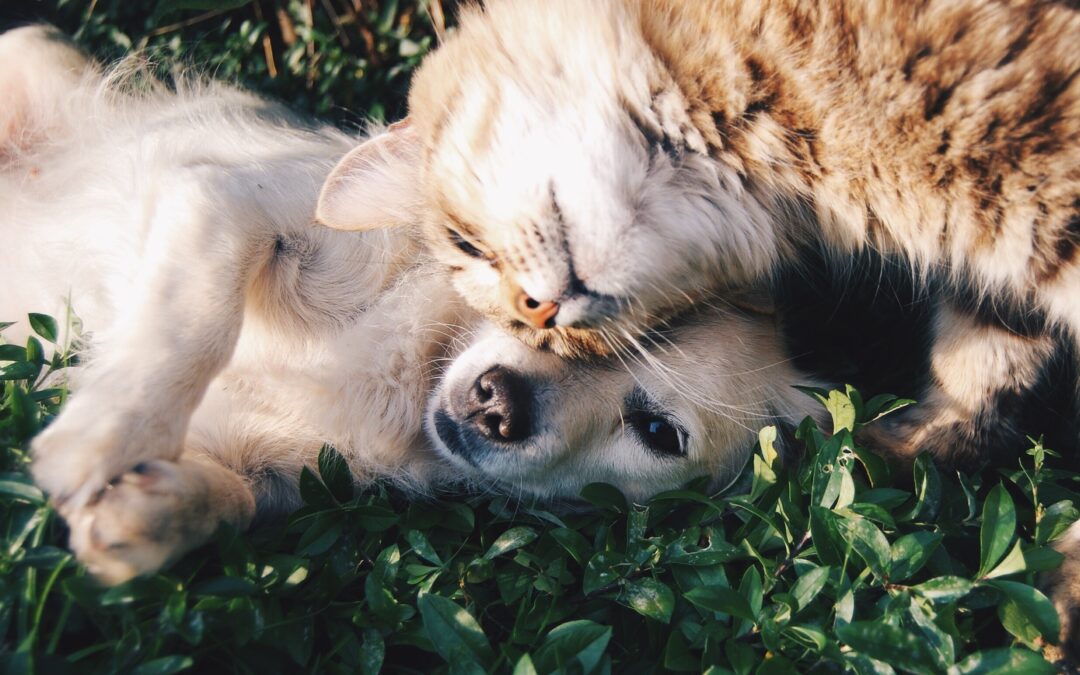
Main image credit: Pankajdhiman2310/Wikimedia Commons (under CC BY-SA 4.0)

Olivier Sorgho is senior editor at Notes from Poland, covering politics, business and society. He previously worked for Reuters.