Keep our news free from ads and paywalls by making a donation to support our work!

Notes from Poland is run by a small editorial team and is published by an independent, non-profit foundation that is funded through donations from our readers. We cannot do what we do without your support.
South Korean tyre manufacturer Kumho is moving ahead with plans to establish a new plant in Poland, which will also be its first in Europe. Once up and running, the facility will produce up to six million tyres a year and employ around 400 people.
On Friday, the Wałbrzych Special Economic Zone, which covers several provinces in southwestern Poland, announced that it had approved the sale of a plot in the city of Opole to Kumho Tire for 36 million zloty ($10 million).
That followed Kumho’s own announcement earlier this month that it had selected Opole as the location for its first European production base. It will invest $587 million (2.1 billion zloty) in the facility, which is scheduled to begin operations in August 2028.
The Korean firm says that it “evaluated several European countries” but eventually “selected Opole for its logistical advantages, skilled workforce, competitive infrastructure, stable access to the European market, and the attractive incentives offered by the Polish government”.
Koreański gigant zainwestuje miliardy w fabrykę w Polsce. Kupił grunt https://t.co/K4wbDOw5du pic.twitter.com/mUHcfGDaz9
— Money.pl (@Money_pl) December 12, 2025
Initial production capacity will be six million tyres a year. But Kumho says it will carry out “phased expansions planned according to market demand”.
“The European market holds tremendous strategic significance in the global tyre industry,” said the firm’s CEO, Il-taik Jung. “By establishing local production and supply capabilities in Europe, Kumho Tire will strengthen its market competitiveness, local responsiveness and attractiveness to European vehicle manufacturers.”
While primarily intended to serve Europe, the Opole plant will also become part of an “integrated production network” that will additionally span Asia and North America, allowing it to respond to shifting market demand, says Kumho.
Poland has strengthened business ties with South Korea in recent years. In 2022, the world’s largest producer of kimchi, Daesang Corporation, chose Poland as the location for its first factory in Europe producing the famous fermented vegetable dish.
Meanwhile, since Russia’s full-scale invasion of Ukraine, Poland has ordered billions of dollars of military hardware from South Korea, including hundreds of tanks, self-propelled howitzers, rocket artillery, and fighter aircraft.
Last year, WB Group, one of Poland’s leading arms manufacturers, signed a contract with South Korean defence firm Hanwha Aerospace to produce CGR-080 missiles in Poland.
Two Polish and South Korean defence firms have signed an agreement to jointly establish a missile factory in Poland https://t.co/P1ffwdxRKS
— Notes from Poland 🇵🇱 (@notesfrompoland) October 3, 2024
This year, construction commenced in the Hyundai Heavy Industries shipyard of a floating liquefied natural gas (LNG) terminal ordered by Poland that will eventually be located in the Polish city of Gdańsk.
Last month, South Korea’s government agency responsible for supporting the creation and distribution of creative content opened an office in Warsaw, which it says will act as a regional hub for promoting Korean cultural products and working with local creators.
Notes from Poland is run by a small editorial team and published by an independent, non-profit foundation that is funded through donations from our readers. We cannot do what we do without your support.
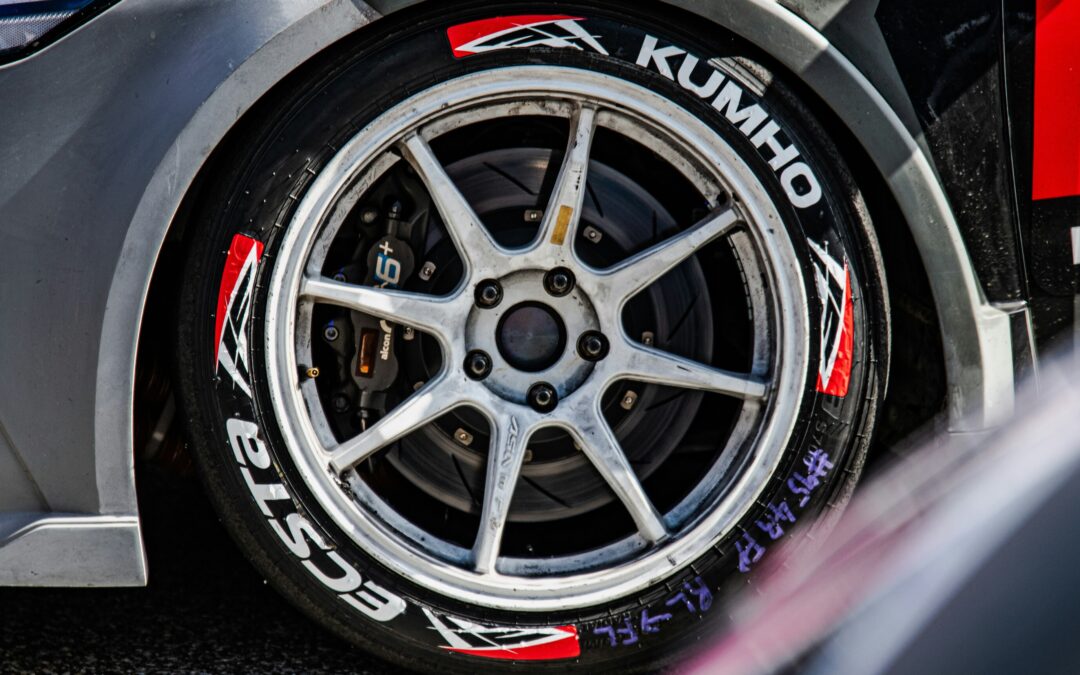
Main image credit: JIWON KANG /Unsplash

Daniel Tilles is editor-in-chief of Notes from Poland. He has written on Polish affairs for a wide range of publications, including Foreign Policy, POLITICO Europe, EUobserver and Dziennik Gazeta Prawna.