Keep our news free from ads and paywalls by making a donation to support our work!

Notes from Poland is run by a small editorial team and is published by an independent, non-profit foundation that is funded through donations from our readers. We cannot do what we do without your support.
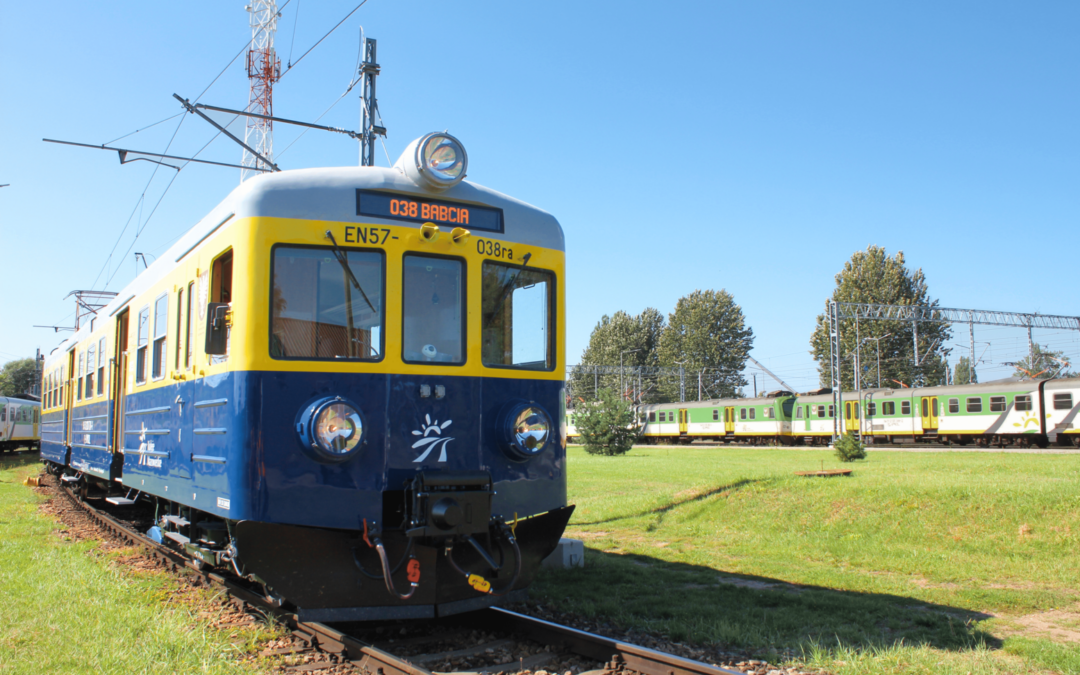
Poland’s oldest operational multiple-unit electric train, a 63-year-old vehicle nicknamed Babcia (meaning “Granny”), is returning to service after refurbishment.
The train, whose official name is EN57-038, rolled off the production lines on 9 May 1963 at a factory in the city of Wrocław belonging to Pafawag, a state locomotive manufacturer.
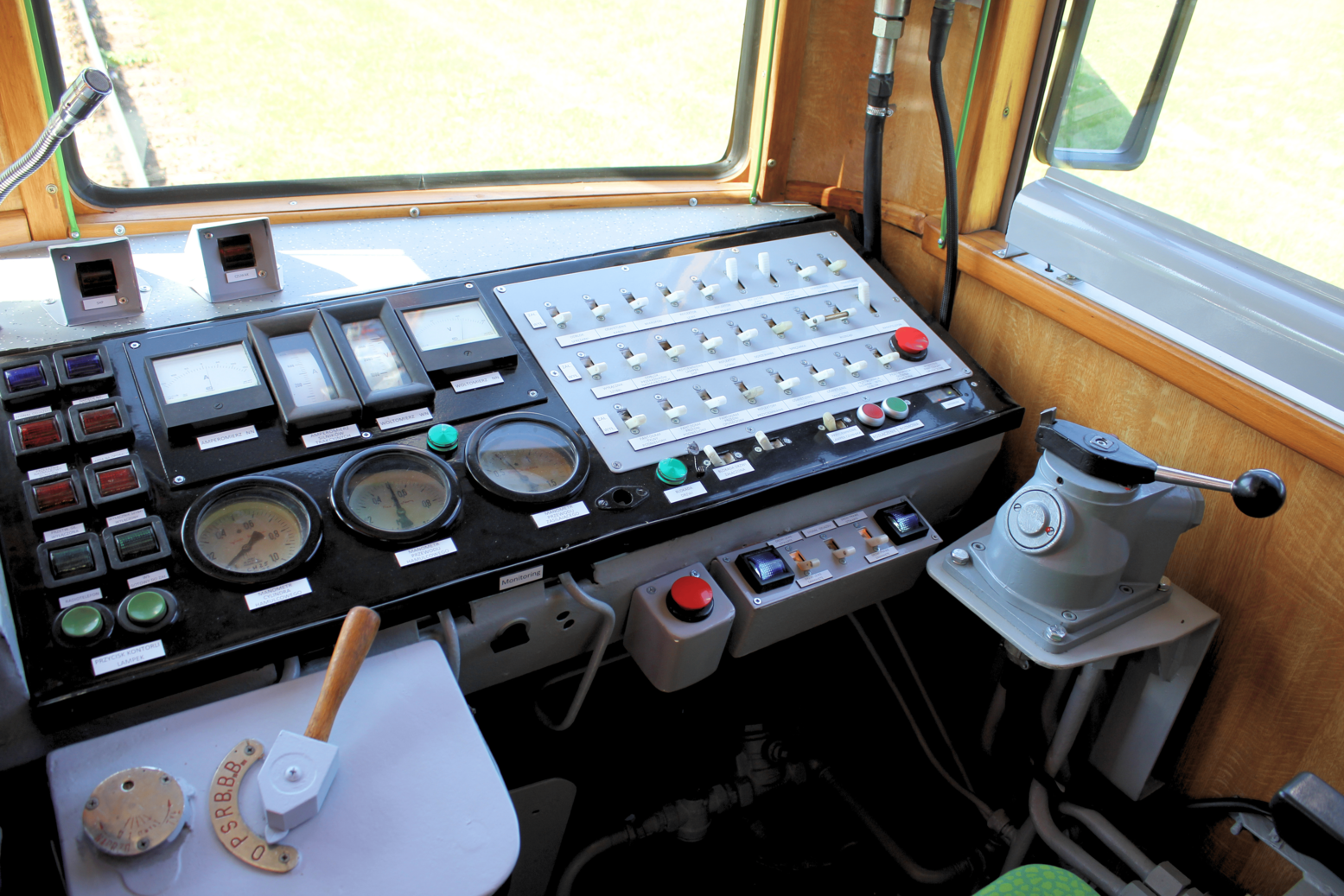
The driver’s cab in the newly refurbished train
For decades, it served in the southern Małopolska province, transporting passengers in cities including Kraków, Tarnów, Nowy Sącz and Sucha Beskidzka. In 2003, it was transferred to Masovia, the province around Poland’s capital, Warsaw, where it has operated ever since.
“Masovian Railways continually invests in modern rolling stock, making our fleet among the most modern in Poland,” said Czesław Sulima, the operations director for the regional rail operator. “However, we fully understand the importance of tradition and sentiment.”
“Babcia has become a permanent fixture in Polish railway history,” he added. “We are delighted that after a major overhaul, this unique vehicle will once again serve passengers and delight lovers of old-time travel, combining history with modernity.”
Babcia has previously undergone periodic modernisation and maintenance, most recently in 2022, when she regained her original yellow and blue livery associated with the historic Pafawag factory.
The latest work included upgrades to the train’s monitoring system and toilet, which now operates in “closed circulation” (a polite way of saying that waste is no longer dropped directly onto the track). State rail operator PKP has for years been promising to phase out the few remaining old “open” toilets.
Now that Babcia has been refurbished, she will return to service early on Saturday morning, running a 10 km route on weekends between the town of Tłuszcz and village of Mostówka, just northeast of Warsaw.
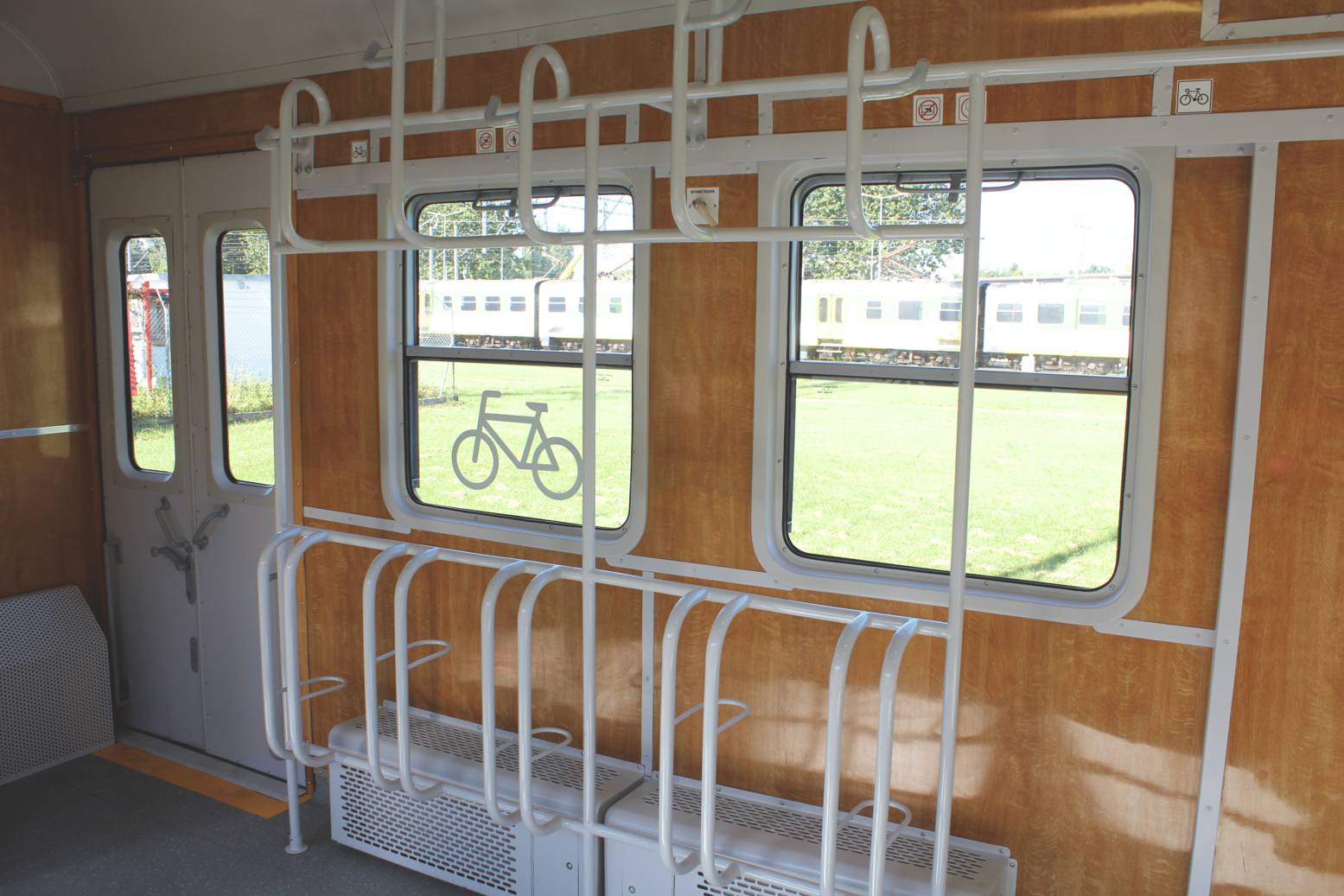
The interior of the newly refurbished train
Babcia is one of the EN57 class of electric multiple unit trains produced by Pafawag between 1961 and 1993. A total of 1,429 were manufactured, with many still in use – though none as old as EN57-038.
The history of the Wrocław factory itself dates back to the 1830s (when the city was part of Germany and called Breslau), making it one of the oldest manufacturers of rolling stock in Europe.
After World War Two, when Wrocław became part of Poland following border changes, the factory came under the ownership of the new communist state.
In the 1990s, after the fall of communism, it was privatised, being acquired in 1997 by German company ADtranz, which was in 2001 itself taken over by Canada’s Bombardier Transportation, which was then acquired in 2021 by France’s Alstom.
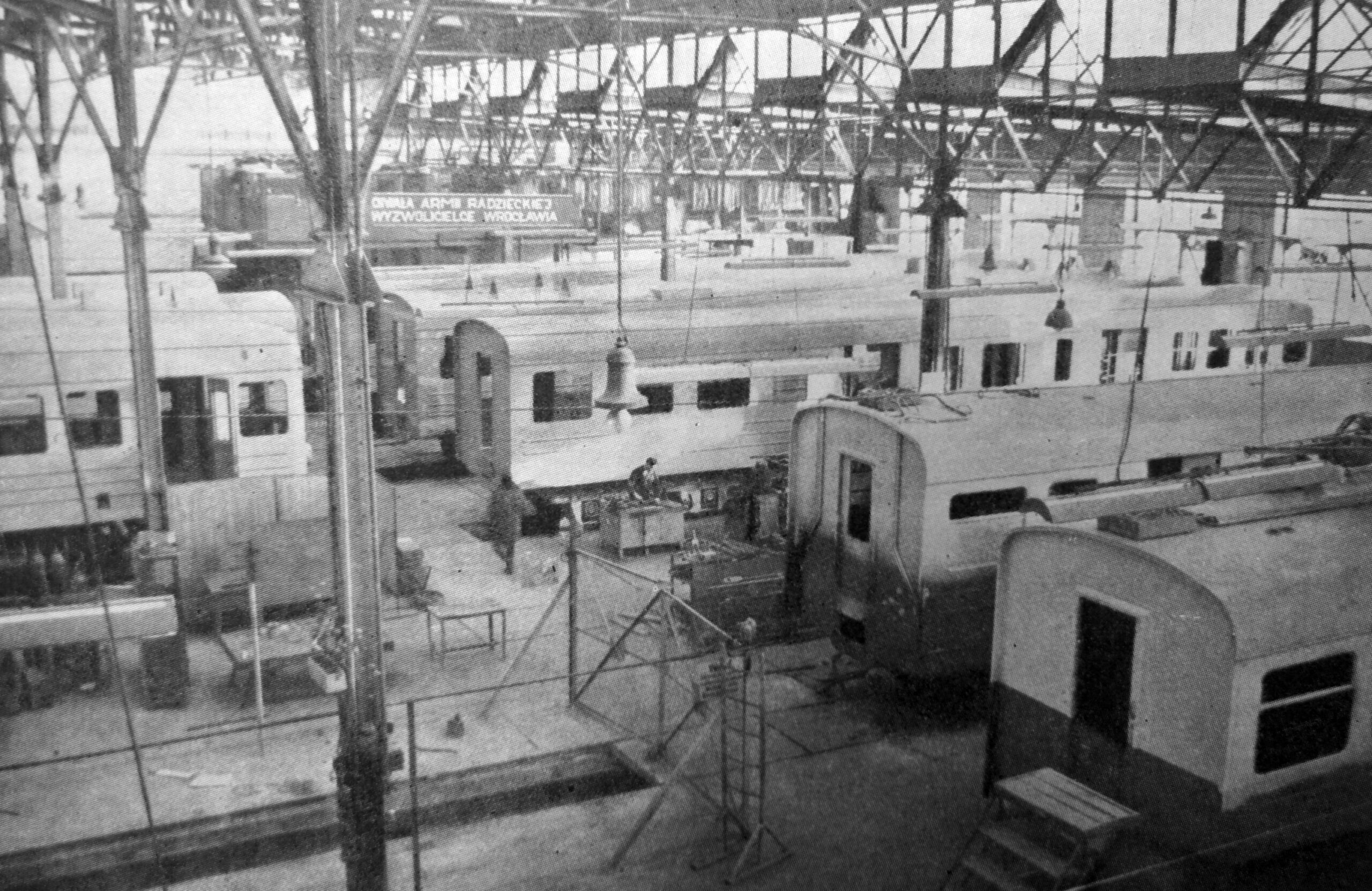
An assembly hall at the Pafawag factory in Wrocław around 1962 (source: Wikimedia Commons, under public domain)
Train travel has been booming in Poland in recent years. In the first half of 2026, a record 44.7 million passengers travelled with PKP Intercity, the main long-distance operator, more than 10% up on the previous year’s record and some 45% higher than three years earlier.
While the country is seeking to expand its high-speed rail network and increase train speeds up to 320 km/h (199mph), there has also been a growing interest in older trains.
That prompted PKP to launch a special “unhurried” service earlier this year, allowing passengers to travel along scenic routes in restored 1980s trains.
Polish state rail operator @PKPIntercityPDP is launching a series of special "unhurried" weekend journeys along picturesque routes in restored 1980s carriages with historical locomotives to celebrate its anniversary https://t.co/4CQD12NjXY
— Notes from Poland 🇵🇱 (@notesfrompoland) March 6, 2026
Notes from Poland is run by a small editorial team and published by an independent, non-profit foundation that is funded through donations from our readers. We cannot do what we do without your support.
All image credits: Koleje Mazowieckie (press materials)

Daniel Tilles is editor-in-chief of Notes from Poland. He has written on Polish affairs for a wide range of publications, including Foreign Policy, POLITICO Europe, EUobserver and Dziennik Gazeta Prawna.